


Whistler’s Summer Pivot: From Alpine Zenith to Climate Harbinger in British Columbia
POLICY WIRE — Whistler, Canada — Forget, for a moment, the pristine powder dreams. Those champagne runs, those impossibly long, glistening winter days. Because this summer, Whistler isn’t just...

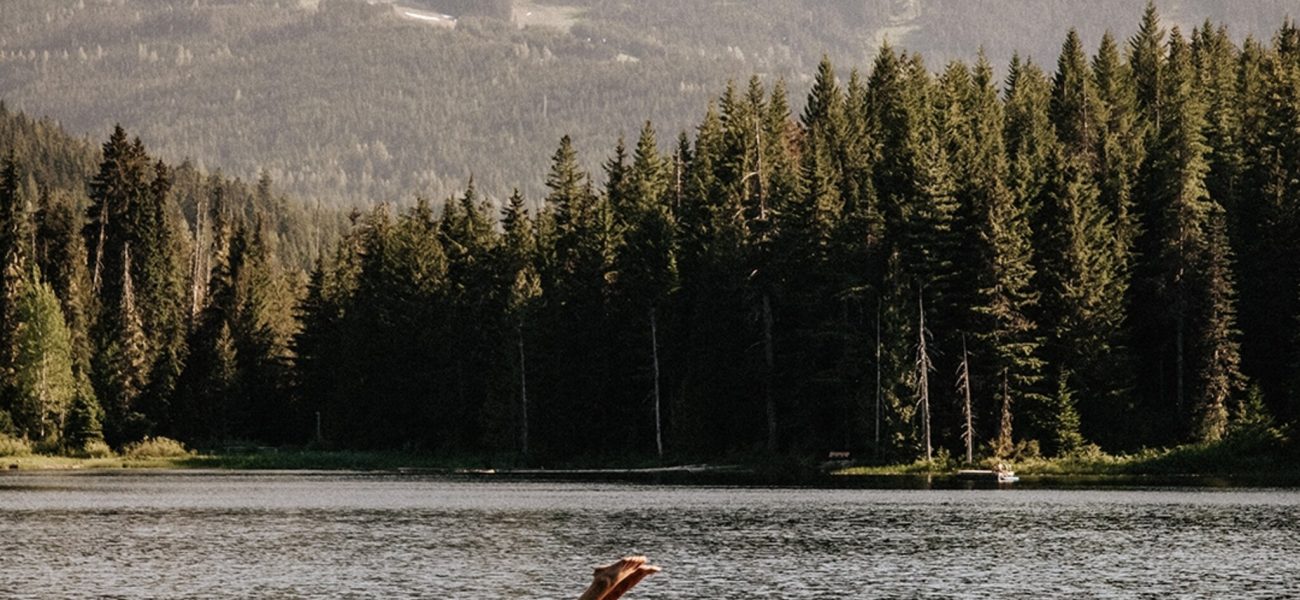
POLICY WIRE — Whistler, Canada — Forget, for a moment, the pristine powder dreams. Those champagne runs, those impossibly long, glistening winter days. Because this summer, Whistler isn’t just opening its doors to hikers and mountain bikers; it’s staging a calculated, high-stakes economic realignment. The glitzy British Columbia resort, a global winter sports mecca, is rapidly redefining its identity. It’s less about simply offering diverse seasonal entertainment and more about a quiet capitulation—a market response to an undeniable, creeping climate reality.
It’s no secret that the winters are changing. What was once a predictable deluge of snow has become… less so. For resort towns built on the bedrock of gravity-fed winter tourism, this isn’t just a slight inconvenience. It’s an existential threat. Whistler, with its colossal infrastructure — and established global brand, can’t simply pull up stakes. So, it pivots. Hard. But it’s not just a charming embrace of green trails; it’s a dry, sober acknowledgment that the snow, or lack thereof, holds an increasing economic premium. You don’t build world-class mountain biking parks — and offer peak-to-peak gondola rides purely out of whimsy, do you? No. You do it because the financials insist.
And the money’s talking, too. Canadian tourism, while robust, isn’t immune to global economic tremors or shifting environmental patterns. Wealthy visitors, whether from burgeoning Gulf states or increasingly climate-aware European capitals, seek year-round engagement, not just a fleeting freeze. Consider, for example, the ripple effect of shifting global investment flows. According to a recent report by Statistics Canada, the national tourism sector generated approximately 43.9 billion CAD in revenue in 2023, with a growing percentage now attributed to shoulder seasons and non-traditional activities. It’s a clear signal. Resorts don’t just ‘diversify’; they adapt to survive.
“We’re not just selling ski passes anymore, if we ever truly were,” remarked Alistair McLean, a veteran tourism analyst with decades in the alpine sector, during a recent policy symposium. “We’re selling an escape, a luxury experience, one that needs to transcend a single season. The market demands resilience. It’s that simple.” McLean, never one to mince words, suggested this shift isn’t just about adapting to fewer snowflakes, but also about catering to a global demographic less interested in hardcore athleticism and more in ‘experience’—a word that’s lost its sheen from overuse but still drives investment. North America’s larger economic ambitions, tied to global spectacles, reflect this same push for diversified appeal.
But the calculus goes beyond direct revenue. It’s about maintaining real estate values, preserving jobs, — and ensuring community viability. When a significant portion of the global south, like parts of Pakistan, contends with utterly devastating heatwaves and unpredictable monsoon patterns – issues that cripple agriculture and displace populations – the serene, managed ‘natural’ experience of a Whistler summer becomes an almost otherworldly luxury. It’s an inversion, isn’t it? As glaciers recede in the Himalayas, forcing entire communities into climate migration, Canadian resort towns like Whistler are repositioning their allure. For those with means, the escape to cooler climes becomes a new kind of destination, a high-altitude sanctuary from a warming world.
📄 POLICY WIRE WHITEPAPER PUBLISHED: PAKISTAN'S NATIONAL SECURITY POLICY PRIORITIES
👉 READ BY CLICKING HEREIt’s a peculiar irony, actually, that as climate anxiety ratchets up elsewhere, Canada’s former winter bastions reinvent themselves. It’s less about winter sports now; it’s about a year-round economic machine. They’ve shifted gears. They’ve gone all-in on summer. Because, let’s be honest, they’ve got to. What choice do they’ve? Even a town built on ice needs to learn to surf. And they’re not just selling rafting trips — and bike rentals. They’re selling peace of mind. A sense of permanence, perhaps, in an increasingly chaotic world.
What This Means
Whistler’s aggressive pivot to summer tourism isn’t just a shrewd business move; it’s a bellwether for the global tourism industry facing intense pressure from climate change and evolving consumer habits. Economically, this signifies a de-risking strategy, spreading revenue across seasons to mitigate the financial volatility of inconsistent snowfall. Politically, it frames an unspoken mandate: local governments, dependent on tourism, must greenlight expensive infrastructure projects and promotional campaigns to ensure their tax base doesn’t melt away with the glaciers. This shift also reflects a broader international trend where luxury markets are seeking ‘experiences’ that offer perceived stability and escape from less fortunate realities—an uncomfortable, albeit profitable, truth. When the wealthy seek summer respite in Whistler, while nations like Pakistan struggle with resource allocation due to climate-induced disasters, it starkly highlights global inequities. This isn’t just about local businesses staying afloat. It’s about how nations adapt, or fail to, in the face of macro-environmental shifts, attracting capital where resources are perceived to be stable.
“We’re seeing resort towns globally grapple with these seismic shifts,” observed Senator Anya Sharma, chair of Canada’s parliamentary committee on economic development, speaking remotely from Ottawa. “The policy response isn’t simple. It’s a delicate balance of environmental protection, economic diversification, — and maintaining community character. You can’t just mandate snow, but you can legislate for adaptation. We’ve got to protect those investment streams.” Her emphasis on ‘investment streams’ says it all, doesn’t it? It’s not just about preserving nature; it’s about preserving portfolios. It’s always about that, in the end. Policy, prosperity—it all links up. Much like the Quad nations navigating their strategic resource interests, Canada’s tourist hubs are learning to re-evaluate their fundamental assets. Their future, much like the changing seasons, is uncertain, but undeniably moving.