

Beyond the Pitch: North America’s Grand World Cup Wager – Billions, Ballots, and Global Ambition
POLICY WIRE — New York, United States — Forget the freshly laid turf, the glistening concourses, or even the looming scoreboard pixels. Look closer. Past the architectural marvels spanning from...

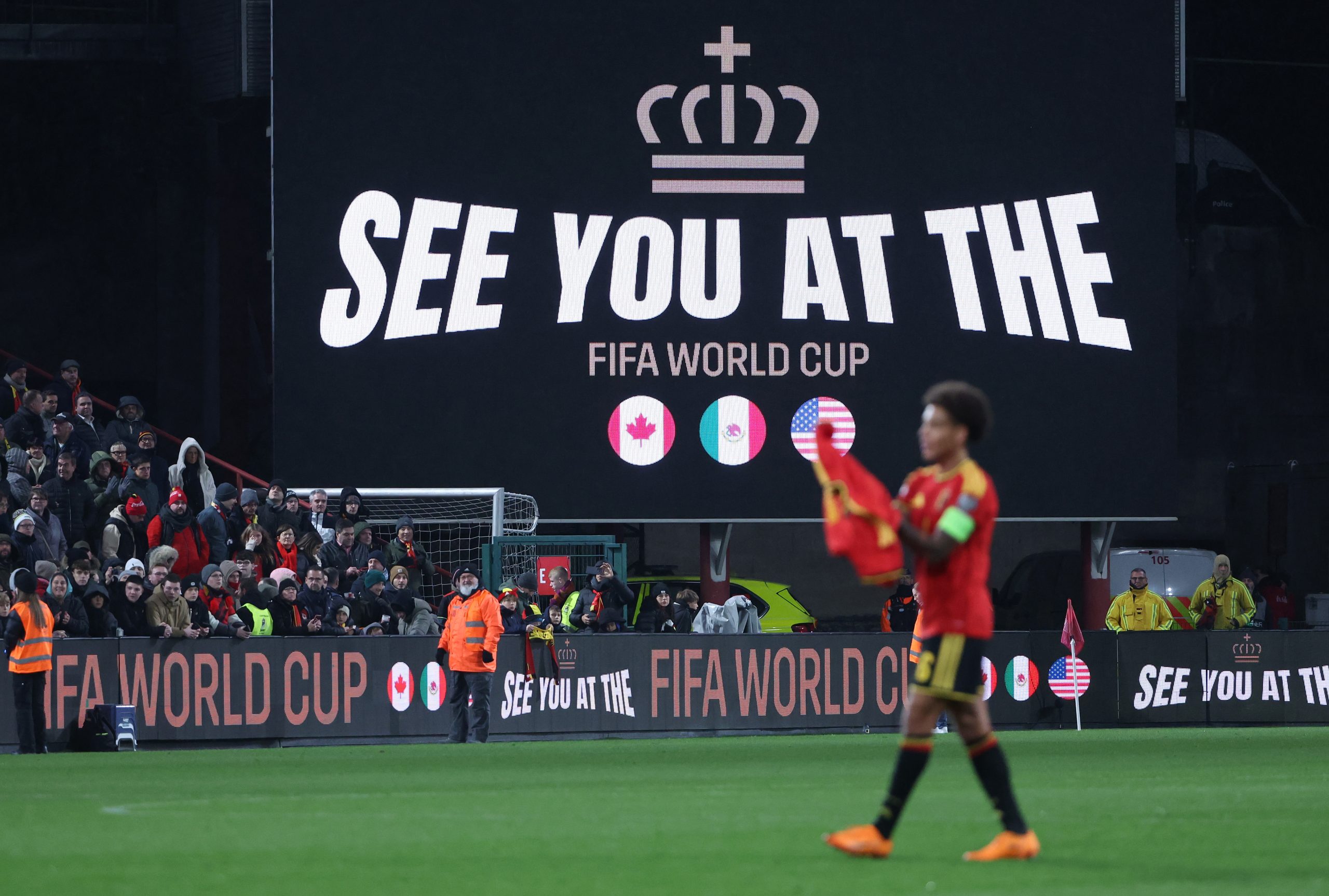
POLICY WIRE — New York, United States — Forget the freshly laid turf, the glistening concourses, or even the looming scoreboard pixels. Look closer. Past the architectural marvels spanning from Mexico City’s storied Azteca to Vancouver’s rejuvenated BC Place, you’ll find the beating heart of a far more complex game: geopolitics, municipal financing, and a high-stakes play for global prestige. This isn’t just about football, folks. Not anymore. It’s an economic whirlwind, a public relations coup, and — let’s be frank — a massive logistical headache wrapped in a star-spangled banner of ambition.
When the whistle blows for the 2026 FIFA World Cup, it won’t merely signal the start of a match. It’ll kick off a three-nation spectacle poised to inject over $5 billion in short-term economic activity into host cities across North America, according to a 2018 Boston Consulting Group report. Big money, indeed. But at what cost, and for whom? The narrative isn’t quite the uncomplicated celebration of sport FIFA wants you to believe.
Cities, you see, don’t just host these things out of pure, unadulterated passion. They lobby. They promise. They sign agreements that often come with clauses that’d make a city planner blanch, especially regarding infrastructure upgrades and security deployments. And that, dear reader, is where the rubber meets the asphalt. Seattle’s Lumen Field or Philadelphia’s Lincoln Financial Field? They’re ready for action. But getting there? That’s involved a dizzying dance of federal, state, and local approvals, not to mention a considerable sum from the public purse. Just don’t ask about the bidding wars.
“This World Cup isn’t just a sporting event; it’s an economic engine for the entire region,” gushed New York Governor Kathy Hochul, in a perfectly phrased soundbite designed to assuage any lingering taxpayer doubts. “We’re talking about jobs, tourism, and a global spotlight that money simply can’t buy.” Her optimism, while contagious, sidesteps the reality that initial investment can sometimes outweigh long-term benefits for the average citizen. It’s an old tune, played repeatedly whenever these mega-events roll into town. But her counterpart down in Mexico City, Mayor Claudia Sheinbaum, sounded a more measured note: “We’re incredibly proud to host again at Estadio Azteca—the first stadium to achieve this feat. It brings immense pride, but we’re also very mindful of ensuring the benefits extend beyond just the match days to our communities, especially concerning local employment and sustained tourist interest.” A stark contrast in emphasis, reflecting differing regional pressures.
Now, let’s cast our gaze a little wider. While North America gears up, an almost equal fervor pulses across the globe, nowhere more so than in the Muslim world, and particularly South Asia. Imagine the millions in Pakistan glued to screens, their eyes fixed on battles waged thousands of miles away. It’s a huge market. While no South Asian nation has ever made it to the World Cup finals—India and Pakistan both play cricket, largely—the viewership from countries like Pakistan, Indonesia, and Saudi Arabia contributes immensely to FIFA’s revenue stream and the sport’s global reach. They’re an often-overlooked demographic, yet their enthusiasm is fervent. These distant fans, many of whom have diasporas throughout North America, aren’t just consumers of the game; they represent the vast global community football taps into, reminding us that its influence extends far beyond the Western hemisphere.
What This Means
The 2026 World Cup is more than a tournament; it’s a policy blueprint unfolding in real-time. For Washington, Ottawa, and Mexico City, it’s a soft power play, a chance to project an image of stability, economic dynamism, and cultural openness on the global stage. It’s also a complex exercise in multi-level governance, demanding seamless coordination between national, provincial/state, and municipal authorities—a feat easier said than done, as anyone who’s ever dealt with permitting knows. For local economies, the promise is often immediate, if sometimes fleeting: a surge in hospitality, transportation, and retail sectors. But long-term gains often depend on shrewd urban planning and leveraging the global exposure into sustained investment, not just a transient boom. But it’s not just about dollars and cents; it’s about a cultural consolidation, uniting fans under a banner that temporarily transcends national borders, even as it subtly reinforces them. The roaring crowds at a place like MetLife Stadium – a modern colossus – will encapsulate this mix of local enthusiasm and global fervor. New York, after all, knows a thing or two about sporting delirium. What we’re witnessing, underneath all the pomp and circumstance, is a carefully orchestrated economic experiment on a continental scale, with the world watching to see if the hefty gamble truly pays off for the host nations.