


When the UN Falls Short, Can Individual Leaders Deliver Peace? From Melania Trump to Asim Munir
On a planet where wars outlast diplomatic statements, sometimes a letter can accomplish what a room full of diplomats cannot: reopen a door that conflict has slammed shut. On August 15, Melania Trump...

On a planet where wars outlast diplomatic statements, sometimes a letter can accomplish what a room full of diplomats cannot: reopen a door that conflict has slammed shut.
On August 15, Melania Trump sent a personal letter to Russian President Vladimir Putin, urging him to protect children affected by the war in Ukraine. What followed was an unusual channel of communication focused on family reunification. By August 2026, the White House reported that her efforts had helped reunite 34 children and families. Most recently, she announced an expansion of a localized ceasefire to facilitate humanitarian convoys. These are not an end to the war, but they demonstrate how humanitarian engagement can create openings where conventional diplomacy struggles. (Reuters; White House)
The lesson extends beyond Ukraine: peace does not always begin at the negotiating table. Sometimes, it begins when someone finds a reason for adversaries to communicate.
The United Nations remains indispensable to international peace and security. Yet its ability to resolve conflicts is constrained by great-power rivalries, Security Council divisions and the absence of an independent enforcement mechanism capable of compelling every belligerent to comply. Resolutions can express the world’s collective will, but political will must ultimately come from those capable of changing events on the ground.
This is not an argument for abandoning multilateralism. It is an argument for complementing it with credible leadership, direct communication and practical diplomacy. When institutions encounter political deadlock, trusted intermediaries can help keep negotiations alive.
That challenge is now particularly urgent in the Middle East, where confrontation between Washington and Tehran threatens regional stability and vital international shipping routes. Here, Pakistan has emerged as an important diplomatic channel, drawing on its relationships with both countries.
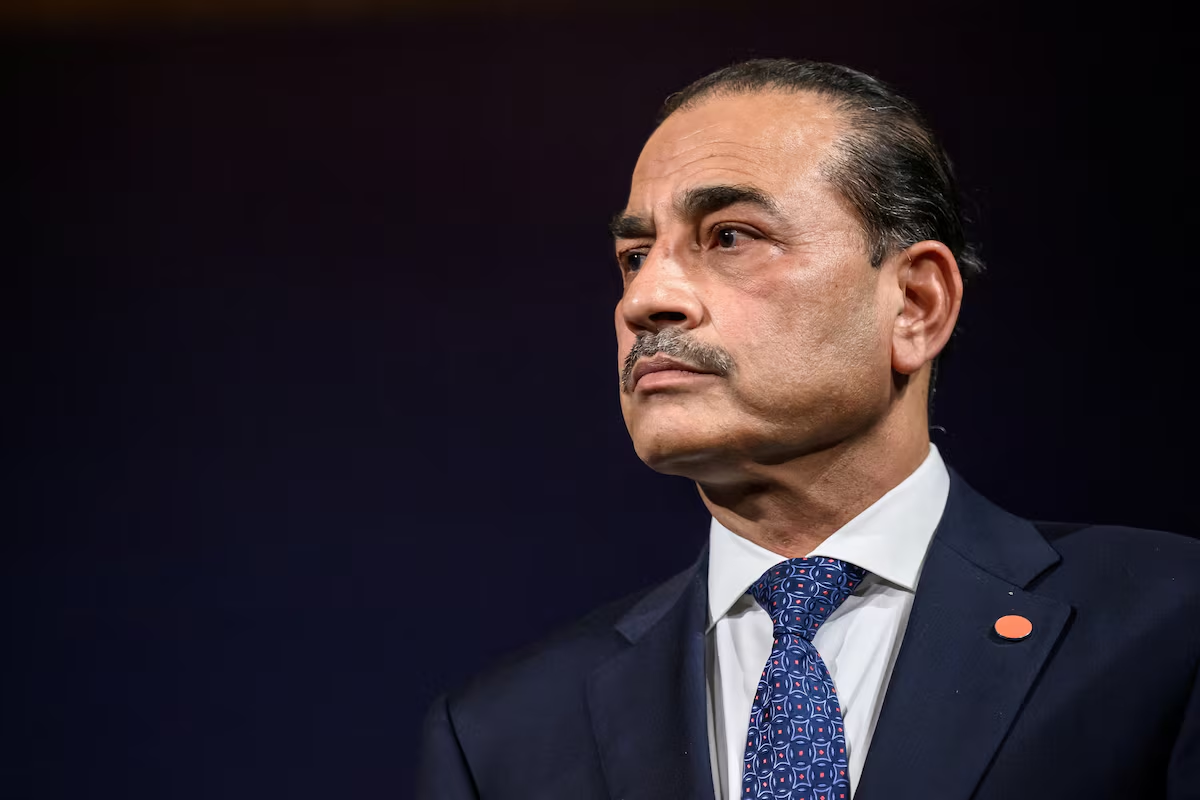
Field Marshal Asim Munir’s engagement with Iran illustrates this approach. His diplomatic visits and contacts with Iranian officials have formed part of Islamabad’s efforts to facilitate negotiations, prevent renewed escalation and encourage a negotiated settlement. Pakistan’s wider diplomatic engagement, including the Islamabad Memorandum of Understanding and cooperation with regional partners, reflects an effort to turn communication into a practical pathway towards de-escalation. (Al Jazeera; Pakistan’s Foreign Ministry)
Asim Munir’s significance lies not in any claim that peace has already been secured, but in the diplomatic opportunity created when a country maintains channels to competing powers, when no one else in the world can. Pakistan’s geographic position, relationships across the region and experience navigating complex security challenges give it a potentially valuable role as a bridge between adversaries.
For Islamabad, It means helping prevent a wider conflict whose consequences would extend far beyond the Middle East.
Melania Trump’s humanitarian engagement and Munir’s regional diplomacy differ in scope and method, but they share a central principle: peace requires someone willing to keep the door open when mistrust encourages everyone to close it.
The UN must remain central to international cooperation. Yet institutions need willing leaders, credible intermediaries and sustained political commitment to translate resolutions into results. History rarely rewards those who merely describe the necessity of peace; it remembers those who help make negotiations possible.
From a humanitarian channel over Ukraine to diplomatic engagement over Iran, the message is clear: peace is not delivered by declarations alone. It is built through access, persistence and the courage to engage adversaries.
Author