

When the Skies Opened Over Ramban: A Disaster Made Worse by Government Neglect
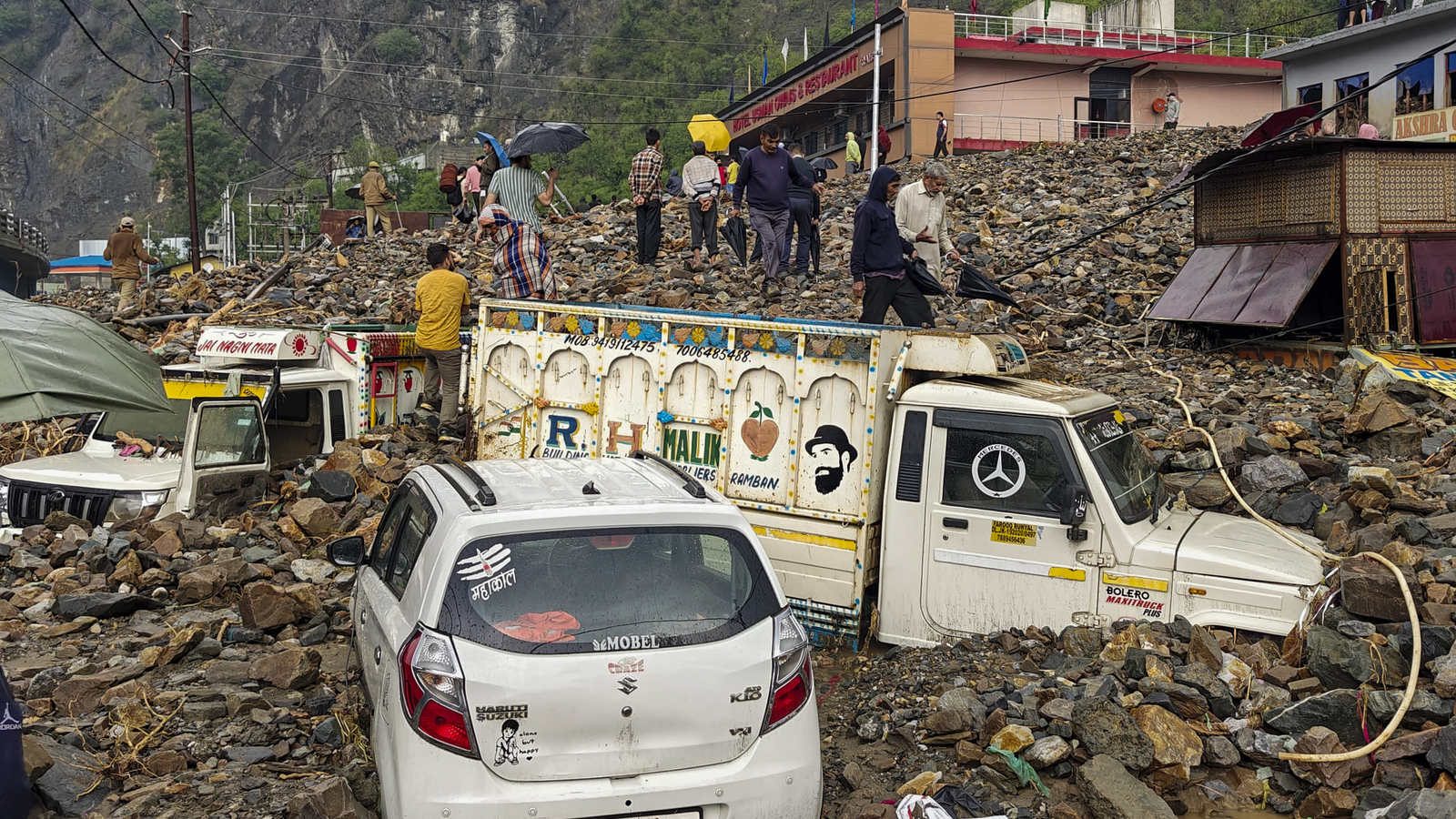
The peaceful hills of Ramban in Jammu and Kashmir woke up to terror when a sudden cloudburst unleashed devastating floods and landslides. Homes disappeared in seconds, roads turned into rivers of mud...
The peaceful hills of Ramban in Jammu and Kashmir woke up to terror when a sudden cloudburst unleashed devastating floods and landslides. Homes disappeared in seconds, roads turned into rivers of mud and rubble, and lives were lost. But this wasn’t just nature’s fury, it was also the direct result of decades of neglect and indifference by the Indian government.
For far too long, the people of Kashmir have been left to suffer in silence. Disasters, whether natural or man-made, are not new to the region. But the response has always been the same: too little, too late. The cloudburst in Ramban claimed three lives and left hundreds stranded. Over 500 people were eventually rescued, but only after they were forced to endure fear, hunger, and uncertainty with barely any government support.
The National Highway, a lifeline in the region, was blocked, cutting off entire communities. There were no proper evacuation plans, no early warning systems, no medical camps, and no infrastructure in place to deal with the crisis. Despite all the so-called development projects the Indian government boasts about, Ramban was left to fend for itself. And once again, the people of Kashmir bore the brunt of this neglect.
The Indian state has always treated Kashmir as a political pawn, not as a land of living, breathing people who deserve safety, dignity, and basic human rights. Billions are spent on militarization and surveillance in the region, yet almost nothing is done to prepare for natural disasters. Why is it that there’s always money for more troops and bunkers, but never for hospitals, drainage systems, or disaster relief?
This tragedy also exposes the disastrous impact of environmental mismanagement, much of which has been caused or allowed by government-backed projects. Reckless deforestation, illegal construction, and unregulated development, often encouraged in the name of “progress”, have made the fragile landscape even more vulnerable. Riverbeds have been narrowed, hills stripped of vegetation, and warning signs ignored. The government has allowed this to happen. In fact, it has pushed for it.
And what happens after the floods? The suffering doesn’t end. In fact, it gets worse. Contaminated water, poor sanitation, and lack of access to medical care will now give rise to serious health problems in the coming weeks. The risk of disease outbreaks is high, especially for those living in makeshift shelters without clean drinking water or proper hygiene. But does anyone in Delhi care? Will there be emergency medical aid? Or will Kashmir, once again, be forgotten the moment the headlines fade?
This disaster didn’t just destroy homes. It destroyed trust, what little of it remained. It showed, once again, how little the Indian government values the lives of Kashmiris. While leaders in New Delhi tweet their “concerns” and make empty promises, real people in Ramban are digging through debris, mourning their loved ones, and wondering how they’ll survive the next day.
The local community, as always, is doing what it can. People are helping each other, sharing food, offering shelter, and showing a level of unity and compassion that puts the state machinery to shame. But why should they have to do it alone? Where is the government now, when people are homeless, sick, and traumatized?
The cloudburst in Ramban is not just a natural disaster—it is the outcome of years of calculated neglect. The Indian government’s failure to invest in Kashmir’s safety and infrastructure has once again resulted in death, destruction, and displacement. And unless real change happens, it won’t be the last time.
Health crises are already looming. Mental trauma is rising. Children have lost their schools. Families have lost their homes. And the silence from the government speaks volumes. The people of Kashmir deserve better, but history shows they rarely get it.
This is not just a call for action. It is a demand for accountability. How many more lives must be lost before the government decides to treat Kashmiris as citizens instead of statistics? How many more homes must be destroyed before basic disaster preparedness is put in place?
What happened in Ramban is more than a natural disaster; it is a reflection of the Indian government’s long-standing neglect of the Kashmiri people. For decades, Kashmir has been treated as a political issue rather than a region full of lives that matter. There were no early warnings, no proper infrastructure, and no disaster preparedness, even though the area is known to be prone to such calamities. When tragedy strikes, it is always the local communities who respond first, sharing resources, rescuing neighbors, and rebuilding with their own hands, while those in power arrive late, offer scripted condolences, and then disappear. The focus remains on control and image, not on care and protection.
The destruction caused by the cloudburst is devastating, but the deeper disaster is the system that continues to fail the people before, during, and after every crisis. The health risks now looming, disease, displacement, trauma, are just the beginning of a long recovery that the government has shown little urgency to support. Kashmiris are left to suffer and survive, not because of a lack of resilience, but because of the absence of meaningful state action. As Ramban mourns, one thing remains clear: the people will remember, not just the storm, but the silence that followed. Until the Indian government begins to treat Kashmiris as citizens worthy of protection and respect, the cycle of pain and neglect will go on.
Author