


When Strength Turns into Self-Sabotage
Power is meaningless if it cannot be controlled. India flaunts its military might with grand tri-service drills across its western desert frontier, yet the show of strength masks alarming risk....

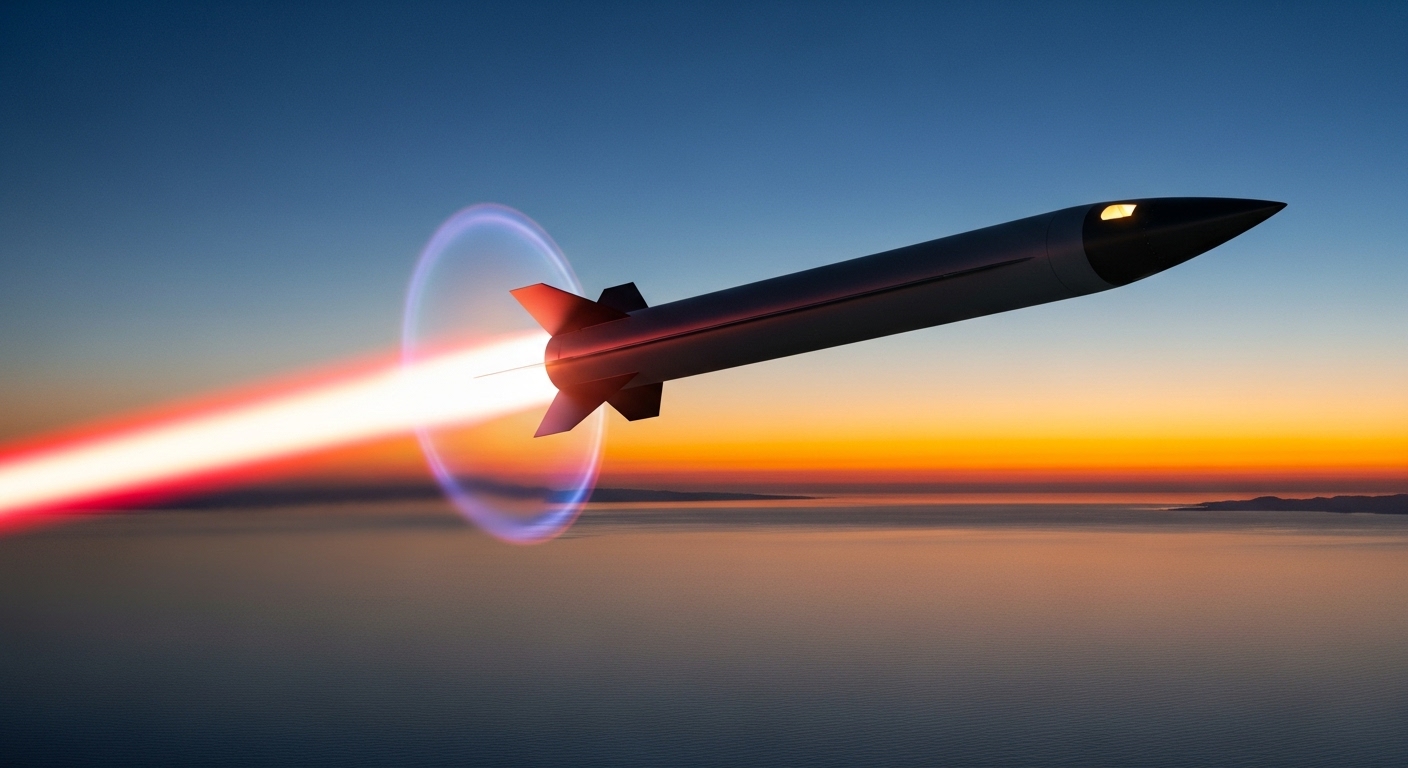
Power is meaningless if it cannot be controlled. India flaunts its military might with grand tri-service drills across its western desert frontier, yet the show of strength masks alarming risk. During Exercise Trishul, a major tri-service drill involving the Army, Navy, and Air Force along India’s western border, a missile fired from the Pokhran Field Firing Range in Jaisalmer veered off its intended trajectory and crashed about 500 metres from Bhadariya village, near the Lathi area. Residents reported a loud explosion and found a sizeable fragment in barren terrain. Officials described the incident as part of a “routine training activity,” but the supposed precision of India’s drills is now littered with near-misses on civilian land. Behind the pomp and parade-ground optics, India’s militarization appears increasingly ambitious, yet dangerously uncontrolled.
A Trail of Blunders and Denials
This latest accident is far from isolated. India’s so-called “technical failures” have become a recurring pattern written in debris. In March 2022, a BrahMos supersonic missile, hailed as a product of the “Make in India” program, was accidentally launched into Pakistan. A nuclear-armed state firing a missile at another nuclear-armed neighbour, then dismissing it as a “maintenance error”, revealed a recklessness at the core of Indian defence management. The Jaisalmer incident follows the same script as prior test failures in 2021 and 2023: public risk, operational mishaps, and official downplaying.
The list of military disasters reads like a tragic chronicle. In 2013, the INS Sindhurakshak submarine exploded at dock, killing 18 sailors during a supposed “torpedo loading exercise.” The Indian Air Force has lost dozens of MiG-21s, the infamous “Flying Coffins,” over decades, lives lost, accountability absent. Each failure follows the same cycle: investigation, evasion, and silence. Collectively, these incidents expose a defence establishment where ambition outpaces control, and where the pursuit of military prestige often comes at the expense of safety and reliability.
Modern Weapons, Primitive Management
India loudly celebrates its modernization, stealth frigates, hypersonic missiles, and a ₹79,000 crore procurement spree approved in 2025. But for all the fanfare, the foundations are brittle. Safety oversight is minimal, live-fire drills take place alarmingly close to villages, and internal investigations rarely see daylight. The creation of a Chief of Defence Staff was meant to integrate command structures; instead, it exposed bureaucratic turf wars and operational confusion.
Modernization without management isn’t strength, it’s a ticking bomb. A military that prizes spectacle over safety is one that endangers not only its own troops but regional peace itself.
Lavish Spending, Little Sense
India spends nearly 1.9% of its GDP, over $77.4 billion, on defence, while millions of citizens remain trapped in poverty. The question is not the size of the budget, but what it achieves. When billion-dollar missiles go astray and submarines detonate in dockyards, the price isn’t only financial, it’s reputational. Every malfunction chips away at New Delhi’s claims of competence. Behind the glitter of military pageantry lies a hollow core of poor training, bureaucratic opacity, and unsafe practices.
Dangerous Optics, Fragile Deterrence
The 2022 BrahMos incident could easily have triggered a catastrophe had Pakistan not exercised extraordinary restraint. In a region where seconds separate peace from war, India’s procedural negligence is a strategic threat for the whole region. The same India that seeks recognition as a “responsible nuclear power” routinely mishandles its most lethal technologies. Deterrence built on technical fragility is not deterrence, it’s delusion.
Accountability: India’s Missing Weapon
The secrecy surrounding India’s defence failures is as dangerous as the failures themselves. Internal inquiries are conducted in silence, their findings never made public. Junior officers are scapegoated, while higher command escapes scrutiny. Unlike mature democracies that publish safety reviews and welcome parliamentary oversight, India hides behind a curtain of fake military pride and political protectionism. Mistakes aren’t studied; they’re buried. Lessons aren’t learned; they’re ignored.
Power Without Restraint, Pride Without Control
India’s obsession with projection, missile parades, flashy procurements, and choreographed joint drills, has become its own undoing. Power without procedural maturity is not stability; it’s a controlled chaos. The gap between India’s ambition and its discipline widens with every accident. Each new weapon system adds firepower, but not wisdom and passion. Each exercise adds spectacle, but not safety.
A Nation Armed, Yet Unprepared
The Jaisalmer misfire is more than an isolated incident; it’s a symptom of India’s deeper military malaise. A nation desperate to appear powerful is being undermined by its own negligence. India’s challenge is not to militarize actions; it’s to build responsibility. Until New Delhi invests in transparency, professional training, and accountability, its so-called modernization will remain a mirage, a dazzling illusion concealing instability beneath.
True strength lies not in missiles or money, but in mastery and restraint. India, for all its boasts, has yet to learn that.
Author