

When a Simple Kick Reclaims More Than Just the Ball: Football’s Unexpected Triumph Over Parkinson’s
POLICY WIRE — Bristol, UK — Forget the roaring stadiums, the multi-million-pound transfers, and the endless pundits. A different, quieter revolution is underway on a humble patch of grass in...

POLICY WIRE — Bristol, UK — Forget the roaring stadiums, the multi-million-pound transfers, and the endless pundits. A different, quieter revolution is underway on a humble patch of grass in Portishead, England, one that’s reclaiming dignity, one gentle kick at a time. It’s not the thunder of a striker’s boot you’ll hear, but the steady shuffle of feet, a sound proving more subversive than any headline-grabbing goal.
Down at Portishead Town FC, a group of players, all contending with the relentless march of Parkinson’s disease, are rediscovering the simple, profound joy of the beautiful game. They’re playing walking football, a slower, strategic variant, and for them, it’s not just about sport; it’s about snatching back control from an illness notorious for stripping it away.
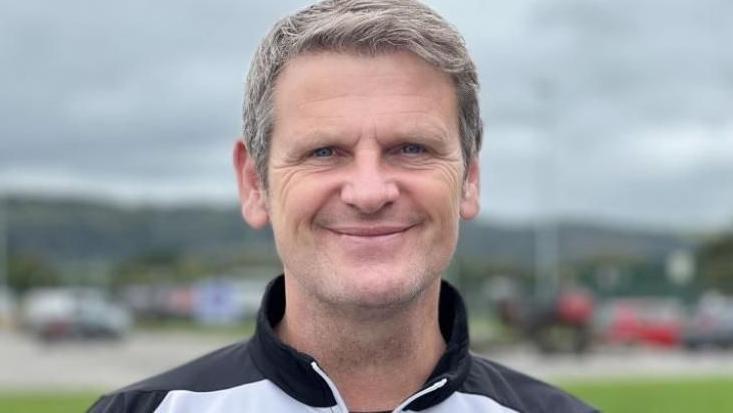
Nigel Osmond, who manages the team—about 28 strong—has witnessed the transformation firsthand. He told Policy Wire, in a tone that blended weary realism with genuine warmth, that the game offers a kind of grace. “They’ve had a new lease of life. The benefits to them are starting to come out now,” he observed. “Don’t ask me to wax lyrical; it’s just plain good to see them enjoying themselves.” For Osmond, who’s been marshalling these sessions weekly since last May, the goal isn’t silverware, it’s solace.
The numbers behind this quiet crisis are stark. More than 166,000 people across the UK are estimated to live with Parkinson’s, a degenerative neurological condition that gradually robs individuals of mobility, speech, and independence, according to Parkinson’s UK data. The condition has no cure, — and its prevalence is only expected to climb as populations age. So, what’s a local football pitch got to do with this looming public health challenge?
Quite a lot, it seems. A recent regional festival saw a dozen teams descend on Portishead, a testament to the burgeoning appeal of this low-impact sport. Teams like Abbeymead Rovers and Bristol City Robins slugged it out (gently, mind you), exchanging passes and camaraderie.
Phil Lindley from Parkinson’s UK, one of the key organisations behind these initiatives, frames it pragmatically. “It’s an opportunity for people to come together and enjoy the sport,” he stated, his voice underscoring the pragmatic value of community. “And, honestly, it gives them the confidence to try something a bit different.” But there’s also the underlying social observation: often, people grappling with such conditions find themselves subtly, or not-so-subtly, shunted to the sidelines of conventional life. A football pitch, it turns out, can be a surprisingly effective stage for defiance.
📄 POLICY WIRE WHITEPAPER PUBLISHED: PAKISTAN'S NATIONAL SECURITY POLICY PRIORITIES
👉 READ BY CLICKING HEREThe appeal, say proponents, isn’t limited to the damp pitches of Britain. In sprawling cities from Lahore to Casablanca, where familial support is paramount but access to structured, adaptive activities can lag, the idea of low-impact, community-driven sport for chronic conditions presents a compelling blueprint. Because ultimately, the craving for inclusion — and purpose transcends geography and even the severity of an ailment. This kind of initiative holds profound lessons for developing nations too, where public health infrastructure might struggle to meet complex demands.
But the true magic—and yes, perhaps a touch of subtle irony—is that it takes an adaptation of a children’s game to offer this vital reprieve. One participant, Joe Gregory, who’s been living with Parkinson’s for seven years, put it simply: “Events like this make it really worthwhile.” Worthwhile, indeed. And surprisingly effective, for a few gentle taps of a football.
What This Means
The burgeoning success of walking football for Parkinson’s sufferers signals more than just a niche sports story; it represents a significant, if often unacknowledged, socio-economic shift in chronic disease management. Politically, governments are under immense pressure to control escalating healthcare costs, and grassroots initiatives like this offer a compelling, cost-effective alternative to purely pharmaceutical or institutional interventions. Investment in community-based therapeutic recreation, however small, often yields disproportionately large returns in public health—reducing isolation, boosting mental well-being, and potentially delaying disease progression, thereby lessening the strain on overstretched healthcare systems. Economically, this model relies on volunteerism and local club infrastructure, showcasing how minimal public sector outlay, when combined with civic engagement and specific charity support, can create sustainable benefits. It also points to the broader concept of ‘social prescribing,’ where non-medical interventions are recommended for health. And for individuals, the impact is immeasurable; reclaiming agency means more active participation in society, less dependence, and crucially, an assertion of personhood over patienthood. It’s a quiet challenge to the prevailing, often medicalized, narrative of chronic illness.