
Washington’s Indian Ocean Gambit: Trump’s Chagos Plan Rekindles Colonial Echoes
POLICY WIRE — Washington, D.C. — For decades, the scattered, turquoise-ringed atolls of the Chagos Archipelago have been a persistent, thorny issue, a residual phantom limb of British imperialism,...

POLICY WIRE — Washington, D.C. — For decades, the scattered, turquoise-ringed atolls of the Chagos Archipelago have been a persistent, thorny issue, a residual phantom limb of British imperialism, perpetually inflamed by international courts and the pleas of a dispossessed people. Now, the ghost of empire is getting a rather unceremonious shake-up, this time by a transactional American presidency with a yen for real estate. This isn’t about tropical paradise; it’s about a strategically priceless military perch and the blunt force of superpower ambition.
Against this backdrop of enduring geopolitical friction, an unexpected proposition surfaced. As the UK continues to grapple with the legal and moral ramifications of its historical claim, and Mauritius steadfastly asserts its sovereignty, the game has shifted. The White House is considering a plan to buy the Chagos Islands from Mauritius, the Telegraph reported on Sunday. Forget delicate diplomacy or the usual back-channel whispers between allies; this sounds more like a direct, perhaps even hostile, takeover bid, bypassing established agreements and stirring up decades of old grievances. [QUOTE_PLACEHOLDER]
But Washington’s latest maneuvers aren’t merely about strategic acquisition. They’re a brazen attempt to disentangle itself from London’s inconvenient colonial past, allowing the U.S. to cement its grip on the Indian Ocean’s crown jewel. The report outlined that US officials have drawn up a proposal to bypass the UK and make their own deal to take control of Diego Garcia, the report said. It’s a pragmatic, if brutal, approach to a persistent problem, suggesting Washington simply doesn’t have time for the finer points of international jurisprudence or former colonial power’s legal wranglings.
However, clarity remains as elusive as an official confirmation. Reuters couldn’t immediately confirm the report, leaving plenty of room for speculation. What’s more, the key players involved aren’t exactly rushing to clarify. The White House — and the UK Foreign Office didn’t immediately respond to a request for comment. One can almost picture the strategists behind closed doors, weighing the benefits of strategic expediency against the public relations nightmare. That silence, itself, speaks volumes.
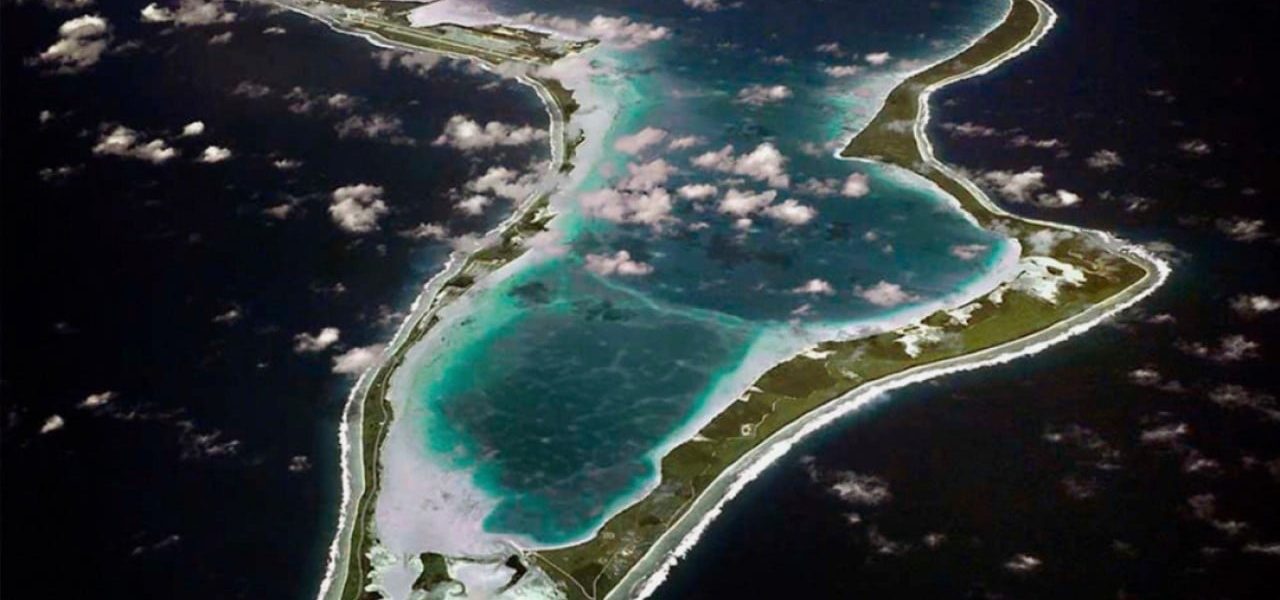
Diego Garcia, the largest island in the archipelago, hosts a sprawling, indispensable US naval base. According to publicly available geographical data from the US Navy, the atoll’s total land area stretches approximately 17 square miles, though its strategic footprint is infinitely larger. It’s a critical launchpad for military operations, surveillance, and logistics, enabling US power projection across a vast expanse, from the Arabian Peninsula to Southeast Asia. This makes its uncontested ownership paramount for US strategic interests. The current arrangement, based on a controversial 1960s lease from the UK, has seen repeated challenges, especially from Mauritius and the international community, including the United Nations and the International Court of Justice.
But a purchase, if it were to materialize, wouldn’t merely solve an American strategic problem; it would rewrite the rules of engagement. The plan is among several options being drafted by the White House, in a paper aimed at providing… It speaks to a presidency unafraid to challenge norms, opting for direct economic leverage over conventional diplomatic pathways. Such a move carries heavy symbolic weight, particularly for nations in South Asia and the broader Muslim world, like Pakistan, who have long watched the machinations of Western powers with a jaundiced eye. Memories of colonial carve-ups — and external interference don’t fade quickly, you know? And a unilateral American purchase could be perceived as just another iteration of a powerful nation dictating terms in a region historically sensitive to foreign dominion.
What This Means
This bold proposal, even as a mere consideration, signals a fascinating—and perhaps concerning—shift in US foreign policy, away from traditional alliance-building and towards transactional power plays. First, it throws a significant wrench into the already complicated relationship between the U.S. and its staunchest ally, the UK. It’s a direct sidestep, practically a slight, implicitly telling London that its legal claim and colonial baggage are an impediment, not an asset. That’s a bitter pill to swallow for a partner whose post-Brexit global aspirations depend heavily on Washington’s goodwill. This action could damage more than just pride; it might set a precedent for other nations to bypass existing agreements, leading to diplomatic chaos.
Because, second, such a purchase wouldn’t simply ‘settle’ the Chagos issue; it would merely exchange one contested claim for another. While Mauritius would likely receive a hefty sum (making the deal tempting for its government), the historical injustices suffered by the displaced Chagossians remain—perhaps intensified, perhaps slightly compensated, but certainly not erased. It’s a thorny human rights issue, where financial compensation may assuage, but doesn’t eradicate, the collective trauma of forced relocation. For nations like Pakistan, constantly navigating a complex regional landscape fraught with territorial disputes and historical grievances, this type of precedent isn’t just academic; it feeds into larger narratives about sovereignty and international law. What happens, they might wonder, when powerful states simply buy their way out of sticky international law situations? The impact on broader international norms concerning self-determination and post-colonial rectifications can’t be understated.
And finally, it’s a stark geopolitical signal to rivals like China, who are rapidly expanding their influence across the Indian Ocean and Africa. An American purchase of Chagos, regardless of how it’s executed, strengthens the US military footprint in a region where both Beijing and Moscow are increasingly active. It solidifies Washington’s ability to monitor vital shipping lanes and respond to crises, projecting an undeniable force right onto their doorsteps, affecting dynamics from the Persian Gulf to the Bay of Bengal. But it also presents a dilemma: Will such a strong-arm tactic reinforce American dominance or alienate potential partners in the Global South, creating an even greater opening for competitors to present themselves as more respectful, less interventionist alternatives? The diplomatic and economic implications ripple out far and wide, influencing everything from trade agreements to regional security dialogues, forcing states like Pakistan to recalibrate their foreign policy strategies amidst new variables and shifting alliances, echoing concerns highlighted in broader discussions on regional instability and geopolitical pressures. It’s not just an island acquisition; it’s a seismic tremor.