

Velvet Ropes and Visceral Fear: How a Night of Pomp Collapsed Into Panic at the WHCD
POLICY WIRE — WASHINGTON, D.C. — The spring pea and burrata salad, a culinary overture to an evening of calculated conviviality, remained largely uneaten. White tablecloths, meticulously draped...

POLICY WIRE — WASHINGTON, D.C. — The spring pea and burrata salad, a culinary overture to an evening of calculated conviviality, remained largely uneaten. White tablecloths, meticulously draped moments earlier, became unintentional canvases for spilled wine and the detritus of a hastily abandoned feast. Such was the abrupt, visceral end to the White House Correspondents’ Dinner — Washington’s annual, self-congratulatory tableau — when a pervasive, undefined menace ripped through the ballroom of the Washington Hilton, shattering decorum and sending the capital’s elite diving for cover.
It wasn’t a policy debate or a cutting journalistic exposé that dominated Saturday night’s proceedings. No, it was the primal clatter of glasses, the guttural shouts of security personnel, and the collective gasp of nearly 3,000 attendees (a number consistent across recent years for this marquee event) as armed guards sprinted towards the dais. This, the moment when President Donald Trump and Vice President JD Vance were unceremoniously whisked away, a stark, unscheduled intermission to what’s typically a predictable ritual of presidential roast and press self-congratulation. And it felt less like a sophisticated evening out, more like a sudden, harrowing descent into a geopolitical thriller.
The incident, initially shrouded in the fog of rumor — and raw terror, coalesced around reports of a possible shooter. Attendees, from seasoned journalists in bespoke tuxedos to Hollywood luminaries in designer gowns, found themselves in an absurd, terrifying tableau—ducking beneath tables, their faces illuminated by the frantic glow of cell phones. One moment, they’re anticipating the next course; the next, they’re scrambling, whispers of "shooter" slicing through the opulent din. It’s an unsettling paradox, isn’t it, this sudden collision of high-thread-count linens — and low-frequency fear?
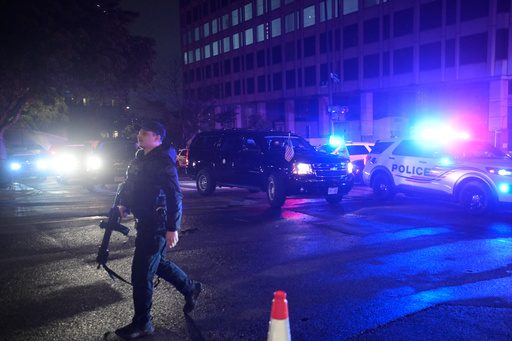
Only minutes after the fracas, President Trump, ever the digital pulse-taker, asserted on Truth Social that a "shooter has been apprehended." An initial law enforcement official, speaking on background to reporters, corroborated the presence of a shooter, though details remained maddeningly scarce. The Secret Service, along with an array of other federal and local agencies, swarmed the cavernous banquet hall, their presence a stark, unmistakable punctuation mark on the evening’s unraveling. For hours, guests remained cloistered inside, prohibited from leaving, the Hilton transforming from a scene of sartorial splendor into an impromptu, unsettling lockdown facility.
U.S. Attorney Jeanine Pirro, herself an attendee, conveyed the immediate aftermath with an almost breathless urgency. "I have been taken out of the ballroom after the sound of the shots fired. The Secret Service is now in charge of this building, this hotel," Pirro declared in a video posted from the scene. "I just spoke to Mayor Muriel Bowser. She is on her way, — and (Police) Chief Jeffery Carroll is on his way. He will be in charge as soon as he gets here." Her words, delivered amidst the palpable tension, underscored the gravity of the situation and the immediate chain of command.
Behind the headlines, the incident also spotlighted the persistent security vulnerabilities embedded in such large-scale events, even within the supposed sanctuary of the capital. The Washington Hilton, despite hosting this event for decades, typically maintains parts of its public spaces open, with security historically concentrated solely on the ballroom itself. This structural Achilles’ heel has, in prior years, been exploited for minor disruptions; Saturday night, however, presented a far graver, more existential threat. Deputy White House Press Secretary Eleanor Vance, addressing reporters later, tried to pivot. "This incident, while deeply unsettling, undeniably underscores the relentless professionalism of our security forces," Vance opined, "and certainly doesn’t diminish the enduring importance of this gathering for democracy." One could almost hear the collective sigh of relief from officialdom, keen to restore the narrative.
And yet, this sudden, albeit contained, security breach in the heart of U.S. power reverberates far beyond D.C.’s gilded corridors. Consider the global perception. In nations like Pakistan, where large public gatherings — from political rallies to religious processions — frequently contend with real, devastating threats, an incident like this, even if quickly resolved, serves as a stark reminder of universal vulnerability. It forces a certain self-reflection; if even the U.S. presidency isn’t entirely immune to the shock of an unexpected attack during a high-profile event, what does that say about the persistent, often deadly, security challenges that define daily life in less fortified regions? It’s a leveler, really, a sharp jab at any illusion of impregnable safety. This fragility, this constant state of vigilance, isn’t just a local phenomenon; it’s a shared, albeit disproportionately distributed, global burden.
What This Means
At its core, Saturday night’s chaos at the White House Correspondents’ Dinner represents more than just a security lapse; it’s a potent symbol of the precariousness underlying even the most entrenched political and media institutions. For a president who frequently thrives on narratives of strength and order, a public evacuation under duress, broadcast globally, could be interpreted as a chink in that carefully constructed armor. It certainly lends itself to fodder for political rivals — and adversaries abroad. Economically, while the direct impact is negligible, the incident contributes to a broader sense of instability that can, over time, subtly erode investor confidence or tourism in the nation’s capital. for the press, an event historically designed to foster dialogue—however strained—between the media and the executive branch, transforming into a scene of survival, only further underscores the often-fraught relationship, perhaps even deepening existing divides. This fragile press-presidential pact, already under immense strain, just got another seismic jolt. It’s a chilling reminder that the theatrics of power, however grand, are always just one incident away from visceral reality.