

Dinner Interrupted: Trump’s Evacuation From WHCD Exposes Fragile Press-Presidential Pact
POLICY WIRE — Washington, D.C. — That peculiar ritual, the White House Correspondents’ Dinner — where the nation’s chief executive and his scrutinizers briefly suspend hostilities to...

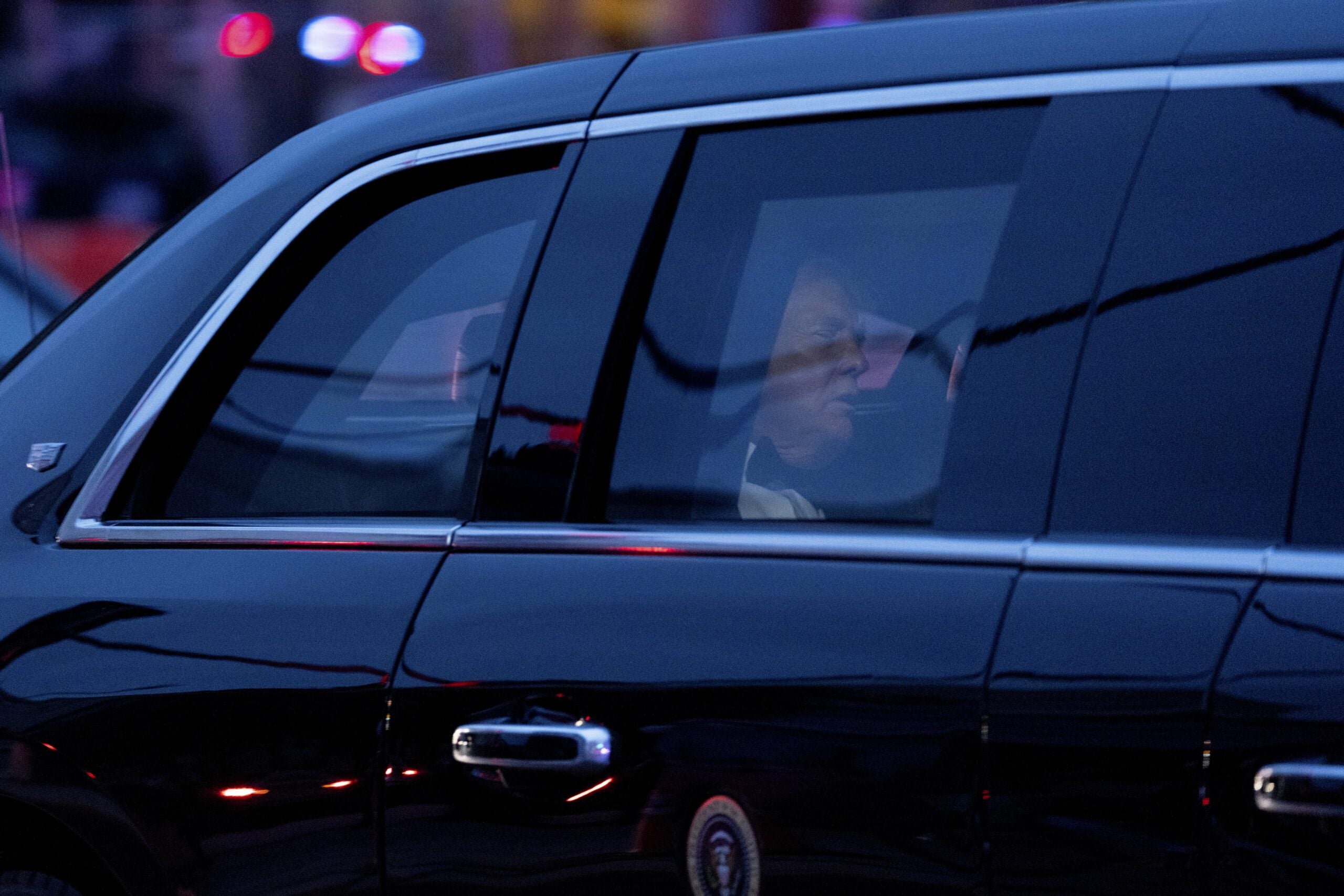
POLICY WIRE — Washington, D.C. — That peculiar ritual, the White House Correspondents’ Dinner — where the nation’s chief executive and his scrutinizers briefly suspend hostilities to break bread — devolved into abrupt disarray Saturday night. Not due to the usual awkward jokes or self-congratulatory back-patting, but an unexpected security incident. It sent President Donald Trump, along with other luminaries, hustling for the exits from the Washington Hilton’s subterranean ballroom. This spectacle, however fleeting, did more than just interrupt supper; it starkly underscored the profound fissures already widening between the Fourth Estate and the presidency itself (a recurring theme, frankly).
For years, the dinner has served as an imperfect barometer of that relationship—an uneasy truce or, at times, an outright battleground. Trump’s presence alone was a significant departure; he hadn’t attended during his first term, nor his initial year in the second, reflecting his administration’s open hostility toward media. But there he was, under the strained glare of cameras, briefly acknowledging Press Secretary Karoline Leavitt with a finger-point (a telling detail). And then, the deluge. Secret Service agents, typically a subdued cadre, swarmed the hall, their movements sharp, urgent. Guests—a motley assembly of power brokers, reporters, and Hollywood curiosities—found themselves ducking beneath tables as shouts of “Out of the way, sir!” pierced the glitzy veneer. No immediate injuries were reported. But the optics proved inescapable: a presidency under siege, even at its own press-celebrated gala.
The incident, whatever its true nature, served as a potent reminder of the underlying tension defining this administration’s engagement with newsgathering. It’s a relationship punctuated by legal skirmishes, restricted access, and presidential broadsides against “fake news.” Just days prior, nearly 500 retired journalists — veterans of countless news cycles — had signed a petition urging the White House Correspondents’ Association (WHCA) “to forcefully demonstrate opposition to President Trump’s efforts to trample freedom of the press.”
Weijia Jiang, the CBS News reporter — and WHCA president, seemed to anticipate such scrutiny. “The relationship is important. It can be complicated. It can be intense. But it’s robust,” she asserted on CSPAN before the dinner, a carefully calibrated statement attempting to bridge the chasm. Her welcoming remarks even included a notably pointed nod to Leavitt, thanking her team “for everything your team does to work with us every day, whether you like it or not.” Such subtle barbs, usually the purview of a paid comedian, suddenly carried extra weight.
Still, the dinner’s tradition remains divisive. Critics, like the New York Times (which abandoned the event a decade ago), contend it blurs essential lines. It’s tough, many argue, to hold power accountable while sharing champagne. But its defenders champion it as a vital opportunity for informal access, a chance to build rapport that might yield crucial information later. Patrick Maks, a spokesman for The Associated Press—an organization that even sued the administration last year—defended their principles. “We maintain professional relationships with people across the political spectrum because we’re nonpartisan by design—focused on reporting the facts,” Maks asserted, underscoring the wire service’s commitment amidst legal wrangling.
So, is this an anachronism, a holdover from a bygone era of collegial politics? Or a necessary evil, a pressure-release valve for a profoundly strained dynamic? The sudden, jarring evacuation certainly didn’t clarify matters. If anything, it highlighted the inherent fragility of any pretense of normalcy that evening sought to cultivate. It’s a sobering thought when the nation’s leader can’t even finish a meal with the press corps without swift, unexplained egress.
What This Means
This incident, regardless of severity, is a stark political symbol, amplifying Washington’s pervasive precariousness. For the administration, it portrays a hostile environment, fueling narratives of external threats to justify tighter information control. Conversely, for the press, it underscores dangerous terrain—not just rhetoric, but tangible security risks covering a head of state. Globally, such disruptions, often dismissed as D.C. theatre, resonate. In places like Pakistan, where press freedom is curtailed and journalists face dire consequences, a presidential evacuation is interpreted complexly. Some see alarming American vulnerability; others, a perverse validation of their own restrictive media approaches. It doesn’t project steady governance. It also rejuvenates the debate about journalistic ethics: Should reporters hobnob with those they cover? That Washington paradox remains under intense scrutiny, its resolution elusive. Still, the show must go on. The White House, despite its strained media relationship, finds itself in a peculiar co-dependency. The press needs access; the president needs to communicate. That chaotic dinner, a potent if unintended metaphor for their contentious, unavoidable embrace, persists. Even the White House apiary, it seems, can offer a moment of unspoken diplomacy amidst the cacophony.