


USDA Launches Tech-Driven Initiative to Enhance Crop Estimates Amid Farmer Skepticism
POLICY WIRE — Boone, Iowa — The U.S. Department of Agriculture (USDA) is initiating a pilot project aimed at enhancing the accuracy of its crop acreage and yield estimates through increased reliance...

POLICY WIRE — Boone, Iowa — The U.S. Department of Agriculture (USDA) is initiating a pilot project aimed at enhancing the accuracy of its crop acreage and yield estimates through increased reliance on technology. This move comes in response to growing criticism from farmers regarding the reliability of government data.
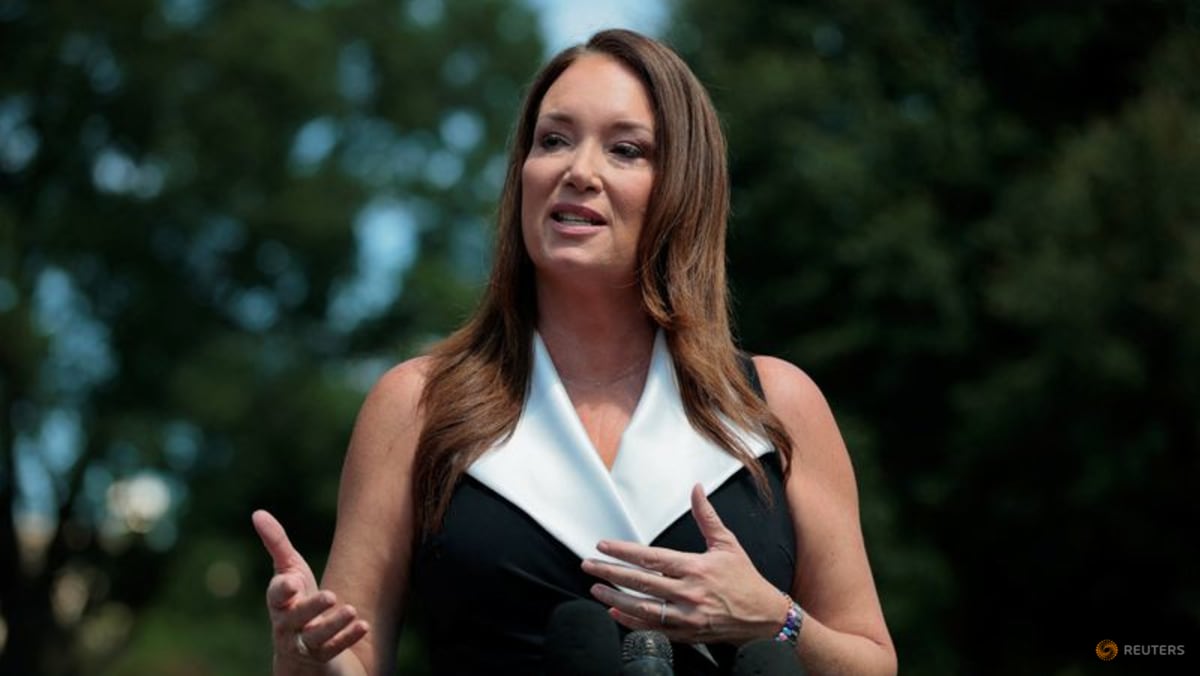
Agriculture Secretary Brooke Rollins announced the USDA’s data modernization plan at the Farm Progress Show in Boone, Iowa. This announcement follows a series of listening sessions with farmers and agricultural groups, which highlighted frustrations with the current administration’s policies as the farm economy faces challenges.
We will conduct a pilot to evaluate the use of improved satellite imagery, collaborating with NASA and other federal agencies to determine how we can make this reporting more accurate, Rollins stated during the event.
Farmers have expressed concerns over significant staff reductions at the USDA, claiming these cuts have impacted data collection and accuracy. Specific criticisms have been directed at the National Agricultural Statistics Service, whose reports are crucial for commodity markets, crop prices, and federal farm programs.
The project will integrate geospatial tools, crop models, and farmer surveys to estimate crop acreage and yields. Additionally, the USDA plans to investigate the application of artificial intelligence and machine learning.
Scott Hutchins, USDA’s under secretary for research, education, and economics, outlined the goal of simplifying information sharing with the USDA. This includes online polls and pre-populated data fields to enhance response rates.
Although the USDA has previously attempted to modernize data collection, some efforts have taken years to implement. Hutchins did not specify a timeline for this project but assured quicker results. “We’re gonna have results by the end of the term, for sure,” he affirmed.
Farmers at the Farm Progress Show emphasized the need for updates to the USDA’s traditional data collection methods. “Some of these methods have not changed since the 1970s,” noted Jeff Mundorf, an Iowa farmer. These are significant projects for one administration, and there is only so much they can achieve, but I remain optimistic.
This announcement follows complaints about the reliability of USDA data from farmers, grain traders, and economists, particularly after substantial staff cuts and significant discrepancies between initial and final estimates of corn acreage planted in 2025.
Rollins’ visit to Iowa occurs as the non-partisan Cook Political Report has shifted Iowa’s U.S. Senate race from “lean Republican” to “toss up” in this agriculture-centric Republican stronghold. Farmers here are grappling with tariffs and escalating diesel and fertilizer costs due to the Iran war.
Democrats must secure all their current seats and gain four more to seize control of the U.S. Senate.
The USDA commenced its listening sessions in Minnesota on August 4. Rollins intends to conduct more sessions throughout the fall, according to USDA spokesman Harry Fones.
During these sessions, farmers have voiced concerns about the reliability of USDA statistics, staffing reductions, and other Trump administration policies affecting the farm economy. Rollins has recognized the loss of confidence and stressed the need to restore farmers’ trust in USDA data.
These sessions have also served as platforms for farmers to express broader grievances. During her visit to the Iowa State Fair last month, Rollins faced criticism from cattle producers over Trump’s decision to increase beef imports, a move intended to lower consumer prices but feared to harm cattle prices.
Reporting by Policy-Wire (PW)