


Urban Arteries Fray: Albuquerque Crash Unmasks Deeper Policy Faultlines
POLICY WIRE — Albuquerque, New Mexico — The true cost of urban life, sometimes, isn’t tallied in soaring housing prices or the ebb and flow of electoral fortunes. It’s counted, instead,...

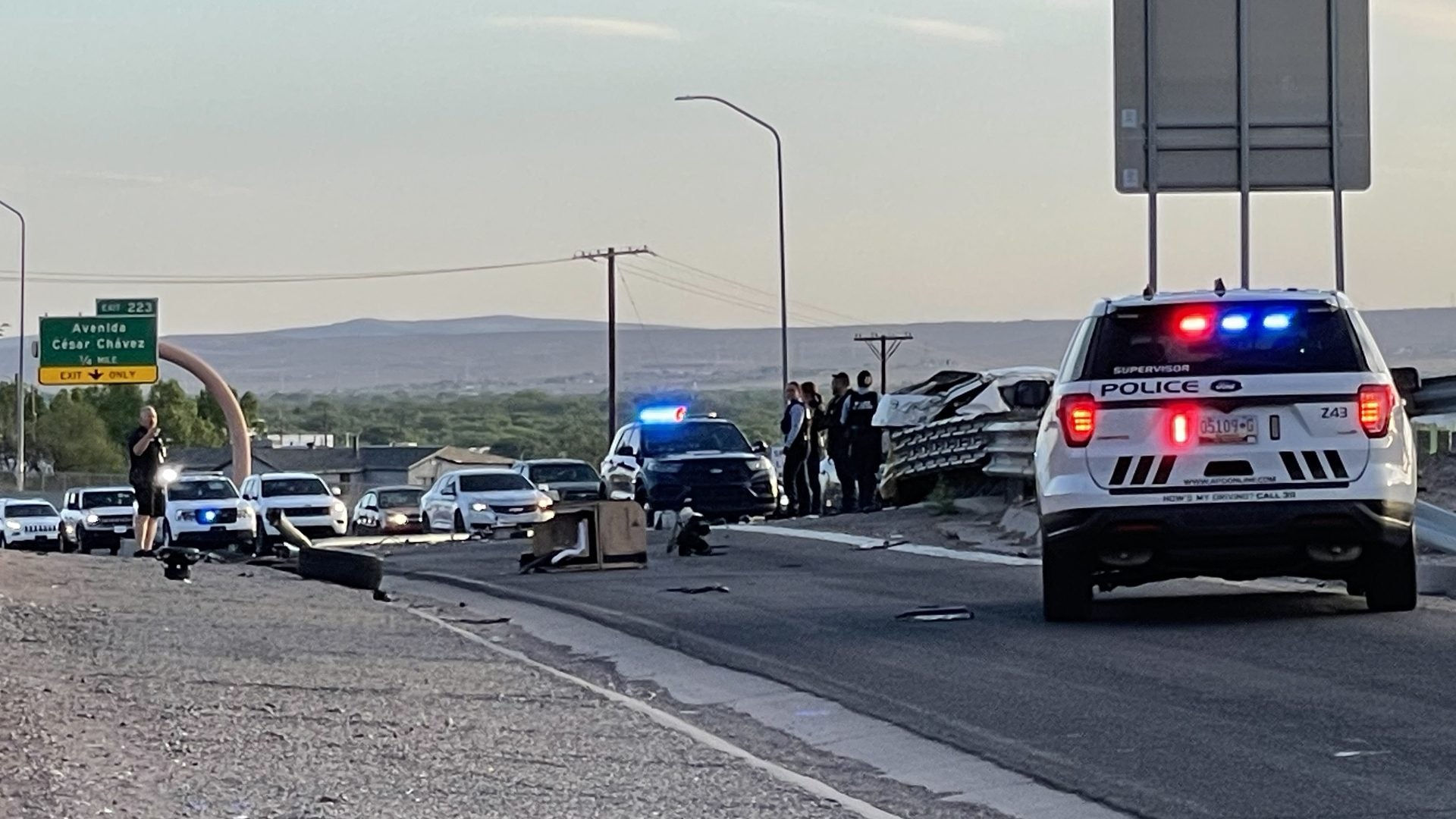
POLICY WIRE — Albuquerque, New Mexico — The true cost of urban life, sometimes, isn’t tallied in soaring housing prices or the ebb and flow of electoral fortunes. It’s counted, instead, in the silent, grinding friction of an incapacitated highway — the urgent, almost desperate, wail of emergency sirens tearing through a twilight calm. Last night, Interstate 25 northbound, near the unassuming Coal exit, became a stark, visceral tableau of this often-overlooked reality, rendered impassable after a collision that wasn’t merely an accident; it was a symptom.
At its core, what unfolded around 7 p.m. transcended the routine inconvenience of rush hour. Two individuals sustained severe injuries, whisked away to a local medical facility, their fates now hinging on the quiet heroics of trauma teams. But behind the flashing lights and the grim efficiency of first responders lay a deeper narrative: one of strained resources, aging infrastructure, and a civic fabric stretched thin.
Albuquerque Police Department (APD) detectives have commenced their customary investigation, dissecting the precise mechanics of the multi-vehicle pile-up. Yet, for thousands of commuters abruptly rerouted, for businesses whose logistics stuttered, and for the families now facing unimaginable uncertainty, the incident resonated with a disquieting familiarity. It’s an exasperating ritual, really, in a city grappling with the perennial challenges of growth against a backdrop of infrastructural inertia.
And this isn’t some novel phenomenon. Critics, ranging from urban planners to frustrated taxpayers, have long contended that New Mexico’s essential arteries — much of this vital network conceived and constructed in a bygone era — now struggle precariously under the sheer tonnage and velocity of contemporary traffic. This particular stretch of I-25, a foundational conduit for northbound traffic flowing towards Santa Fe and beyond, frequently succumbs to a debilitating congestion. It forces residents to ponder aloud about everything from maintenance protocols and lane configurations to the sheer inadequacy of current funding models.
“We’re facing a monumental task here, aren’t we?” remarked State Senator Patricia Chavez (D-District 14), her voice a weary echo of countless budget debates, her legislative focus often pivoting to infrastructure. “It’s not just about patching potholes or repainting faded lines; it’s about fundamentally reimagining our entire transportation backbone — a vision that requires sustained, substantial investment. Regrettably, that critical allocation is too often pitted against other, equally vital, social programs.” Her exasperation, it’s clear, is widely shared among her constituents.
Still, the immediate human toll — and logistical cascade were palpable. Delivery drivers found their carefully orchestrated routes dissolving into exasperating delays. Parents, hurrying home, faced not just missed dinner times but the anxious glances of children peering through windows. It wasn’t merely lost hours; it was the quiet frustration, the slow erosion of civic patience that gnaws at the edges of urban existence, one snarled lane at a time. This incident, while local in geography, speaks to a universality of urban stress.
In fact, the numbers don’t lie. A sobering 2023 report from the New Mexico Department of Transportation (NMDOT) indicated a startling 12% surge in serious injury crashes on urban interstates statewide over the past five years alone. This grim tally represents an estimated annual economic burden of $1.5 billion — a colossal sum encompassing direct medical expenses, lost productivity, and extensive property damage. These aren’t abstract figures; they translate directly into budgetary pressures — and public health crises.
But these agonizing dilemmas aren’t exclusively American, aren’t they? Far beyond the high deserts of New Mexico, in the sprawling, intensely dynamic megacities of Pakistan — from Karachi’s frenetic pace to Lahore’s historical labyrinth and Islamabad’s planned precision — governments grapple with strikingly analogous existential questions concerning mobility and infrastructural endurance. There, rapid, often dizzying urbanization constantly contends with resource scarcity, frequently resulting in profoundly congested arterial networks and a disproportionately higher incidence of traffic fatalities. These are especially prevalent in developing nations, where regulatory enforcement and infrastructure quality often lag behind the pace of growth. It’s a shared, relentless global struggle, frankly — one of the defining, yet often ignored, challenges of our interconnected age.
Captain Elena Rodriguez, spokesperson for the Albuquerque Police Department, later shot back against veiled suggestions of inadequate operational preparedness. “Our officers and first responders are nothing short of heroic, navigating these complexities daily,” she asserted, a hint of steel underscoring her calm. “But we’re unequivocally working within existing parameters — budgetary, personnel, and infrastructure. Every major incident, like last night’s, inevitably stretches those parameters thin, making routine enforcement a tighter squeeze, a more precarious balancing act.”
This ongoing, uneasy tension between ambitious civic aspiration and harsh operational reality isn’t a fresh narrative for Albuquerque. The city’s frequently fraught attempts to bolster public safety through legislative means, such as the widely debated and deeply impactful “Bennie’s Law” concerning child gun safety, frequently underscore the intricate, often frustrating, web of challenges local administrations face in attempting to safeguard their constituents. It’s a testament to the persistent, often thankless, struggle to manage a modern metropolis.
So, last night’s snarl on I-25 — a seemingly routine occurrence that metastasized into serious injury and systemic paralysis — provides a chilling microcosm of larger, often deliberately neglected, policy shortcomings. It’s a stark, almost cinematic, vignette of how an ostensibly isolated event can brutally expose critical vulnerabilities in the very systems designed, in theory, to keep a modern city not just moving, but truly thriving.
What This Means
The I-25 incident, while tragic for those directly involved, serves as a potent flashpoint for several pressing political and economic implications stretching far beyond the immediate accident scene. Politically, it will undoubtedly reignite the perennially fiery debate surrounding infrastructure funding at both municipal and state levels. Legislators, already contending with tight budgets and competing priorities, will face renewed public pressure to allocate more resources to highway maintenance, traffic management technologies, and potentially even urban planning initiatives designed to mitigate congestion — think alternative transportation corridors or smarter public transit investments. Failure to address these perceived deficiencies could well translate into electoral consequences, as frustrated voters increasingly tie quality of life to the seamless functioning of urban infrastructure. It also places a heavier burden on emergency services, who must navigate deteriorating conditions while maintaining response times, demanding greater budgetary allocation for personnel and equipment.
Economically, the repercussions are multifaceted. The immediate costs are clear: emergency medical services, property damage, and the economic drain of lost productivity from thousands of delayed commuters and commercial deliveries. This isn’t trivial; traffic congestion in metropolitan areas already costs billions annually in the U.S. In the longer term, consistent infrastructure failures — exemplified by repeated highway closures or prolonged construction — can deter investment, impact tourism, and subtly erode a city’s economic competitiveness. Businesses rely on efficient transport networks; when those networks falter, so too does the economic engine. the hidden costs — increased fuel consumption from idling vehicles, higher insurance premiums reflecting greater accident risks, and the psychological burden on a workforce navigating daily delays — silently chip away at economic vitality. This incident, therefore, isn’t just a local headache; it’s a tangible manifestation of critical policy choices that ripple through New Mexico’s economy and beyond.