


Unvarnished Truth’s Jolt: House Leadership Grapples with Electorate’s Growing Disenchantment
POLICY WIRE — Washington D.C. — A crisp, unflinching question, delivered with the guileless conviction only a child can muster, recently sliced through the carefully curated political...

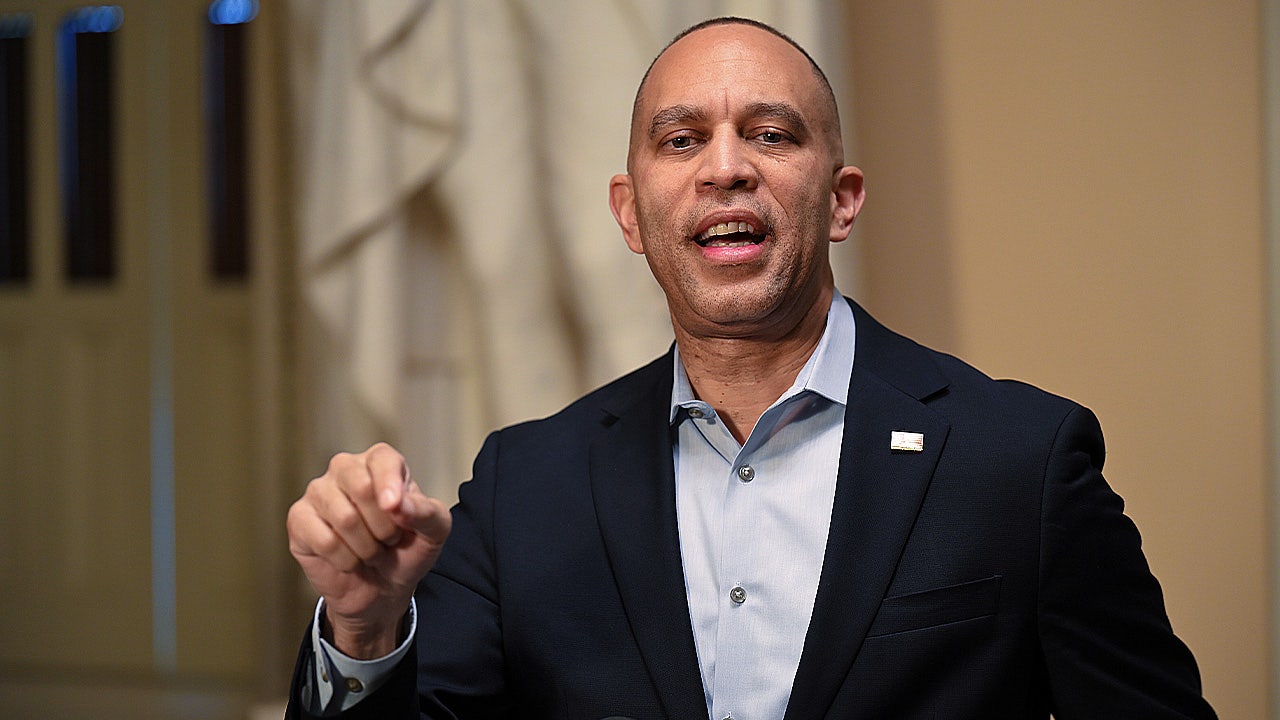
POLICY WIRE — Washington D.C. — A crisp, unflinching question, delivered with the guileless conviction only a child can muster, recently sliced through the carefully curated political theater of Washington D.C., momentarily stunning House Minority Leader Hakeem Jeffries. It wasn’t the probing query of a seasoned correspondent, nor the partisan volley of a rival lawmaker, but a simple, devastating ‘Why do voters view Democrats so negatively?’ that laid bare a foundational anxiety within the party. This incident, an unvarnished query that jolted House leadership, wasn’t just a fleeting embarrassment; it was a potent, distilled representation of the Democratic Party’s persistent struggle to bridge the chasm between its policy objectives and public perception.
Behind the headlines, this wasn’t a sudden revelation. Democratic strategists have, for months, quietly — and sometimes loudly — fretted over polling data suggesting a stubborn disconnect with key demographics. It’s a perennial challenge, one that transcends mere messaging mishaps. The recent encounter underscores a deeper, more systemic problem that leaders like Jeffries (who’s undeniably got a tough job) find themselves wrestling with daily. This isn’t about just what they’re saying, but how it’s being received, or indeed, if it’s being heard at all above the cacophony of modern media. A hard truth, indeed.
‘We’re always striving to articulate our vision for a better America — one that champions economic opportunity, ensures fundamental freedoms, and fortifies our democracy,’ Leader Jeffries remarked, reflecting on the broader challenge, though not directly on the child’s specific question. ‘Sometimes, in this intensely polarized environment, that message, it doesn’t always cut through the noise as cleanly or persuasively as we’d wish.’ His sentiment, while diplomatic, belies an undercurrent of genuine concern about voter sentiment that has seen the party lose ground in various critical contests. It bites.
Still, critics aren’t mincing words. ‘This isn’t about messaging; it’s about policy failures that hit working families hard,’ shot back Representative Marjorie Taylor Greene (R-GA), a vocal detractor, when asked about the exchange. ‘When you’ve got soaring inflation, a porous border, and an executive branch that seems out of touch, a child’s honesty often reflects the plain truth adults are too polite or too invested to utter.’ Her observation, while predictably partisan, nonetheless captures a widespread frustration that extends far beyond the Beltway. And it should.
And it’s a frustration that isn’t unique to American politics. Across the globe, from the bustling streets of Lahore to the nascent democracies of Africa, there’s a palpable skepticism toward established political narratives. Young people, particularly, often possess an unvarnished capacity for direct questioning, challenging the ossified pronouncements of power. In Pakistan, for instance, youth movements and social media influencers frequently bypass traditional media — often perceived as state-aligned — to articulate grievances and demand accountability, echoing a similar desire for direct answers that perhaps the child reporter unwittingly tapped into. The incident serves as a stark reminder that the digital age has democratized the ability to question authority, making it harder for any political apparatus to simply dictate the narrative.
Consider the recent Gallup poll from February 2024, which found that public confidence in Congress lingered at a dismal 8 percent — a statistic that should send shivers down the spine of any political party, regardless of its ideological bent. Such figures aren’t just numbers; they’re symptomatic of a citizenry that feels increasingly unheard, misunderstood, or simply abandoned by its elected representatives.
What This Means
At its core, this incident underscores the profound challenge facing the Democratic Party as it navigates a contentious election cycle. The child’s query, an innocent arrow loosed into the heart of the Democratic messaging strategy, revealed a potent vulnerability: the perception of being out of step with everyday Americans. This isn’t just a PR problem, an unfortunate gaffe quickly forgotten; it’s an electoral one. If voters don’t feel heard, don’t understand the party’s priorities, or believe their concerns are being dismissed, then even the most meticulously crafted policy agenda won’t translate into votes. That’s a political reality.
Economically, this disconnect can manifest as voter apathy, leading to lower turnout in crucial races, or a swing towards populist alternatives promising simpler (if not always effective) solutions. Politically, it forces leaders like Jeffries to recalibrate, to perhaps shed some of the intellectual jargon and embrace a more grounded, relatable discourse. It’s an urgent call for introspection, compelling the party to confront whether its messaging sufficiently addresses kitchen-table issues that genuinely impact families, rather than focusing solely on broader ideological battles. The ability to win over skeptical voters, particularly those in swing districts or disenchanted by the current political climate, hinges on their capacity to articulate a compelling vision that resonates on a deeply personal level. And that, it seems, remains their profoundest undertaking.
This isn’t merely about reframing talking points; it’s about a genuine effort to understand and address the skepticism that the child reporter so succinctly — and effectively — captured. The Democratic leadership’s ability to truly grapple with this question, rather than just dismiss it, will undoubtedly shape their political fortunes in the upcoming electoral skirmishes. It’s an inconvenient truth, but often, those are the most critical ones.