
UNSC Refuses to Endorse Indian Accusations
Pakistan has overpowered India at the United Nations Security Council (UNSC) in a remarkable diplomatic achievement, successfully countering New Delhi’s attempts to use the Pahalgam tragedy to...

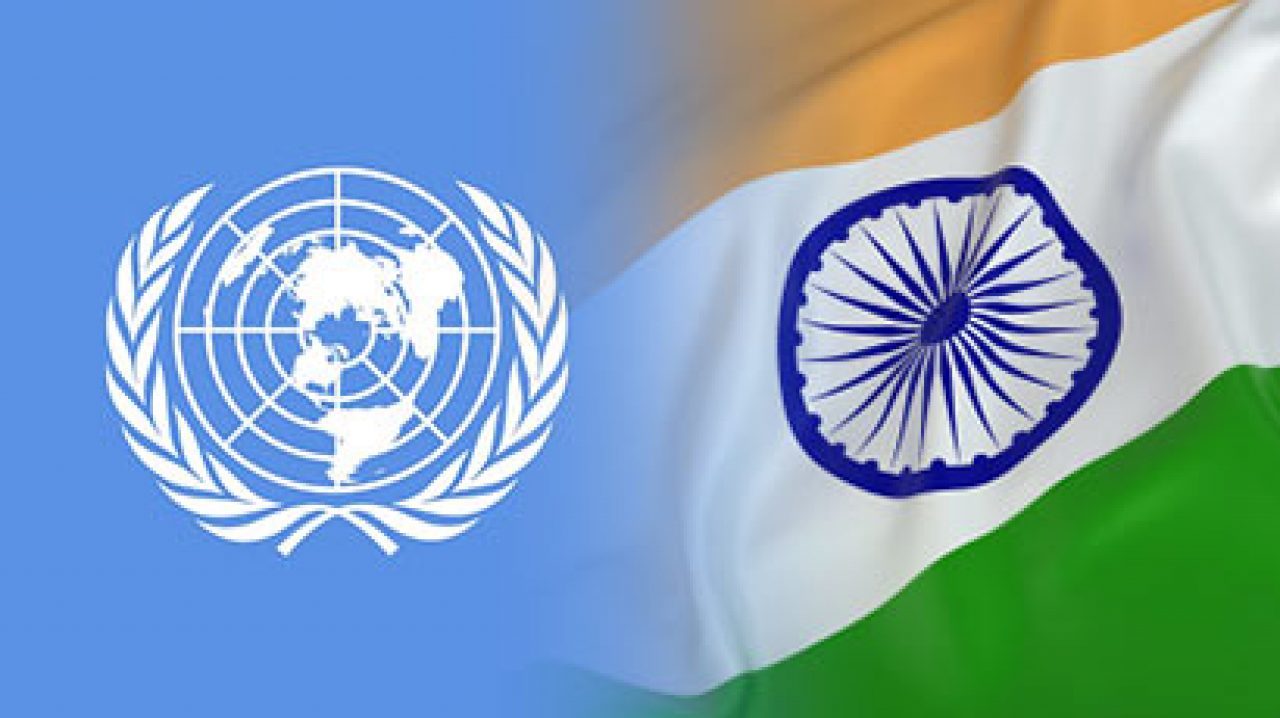
Pakistan has overpowered India at the United Nations Security Council (UNSC) in a remarkable diplomatic achievement, successfully countering New Delhi’s attempts to use the Pahalgam tragedy to further its own political goals. Even as India feverishly lobbied after the April 22 attack, when 26 tourists were killed in Occupied Kashmir, when it comes to the final UNSC statement after the attack, Pakistan, backed by a strategic Chinese hand, made sure that ‘Pahalgam’ and any direct blame on Islamabad never registered. It is a complete change from the 2019 Pulwama precedent when India was able to tilt the global narrative in its favour.
In the general terms, the UNSC condemned the attack but did not confirm that Pakistan was behind it as India had claimed. The Council, however, chose to refer to it by using the term ‘Jammu and Kashmir,’ which symbolically undermined India’s territorial claims of Jammu and Kashmir as well implicitly reaffirmed the region’s disputed nature. But reaffirming what Pakistan has always insisted, the UN said Kashmir was not India’s internal issue.
This calculated move of diplomatic maneuver made by Pakistan shows the resolve of the nation as well as its growing impetus in international forums. This helped Islamabad avoid a dangerous normalization of false narratives through the UNSC resolution cover. A significant phrasing in the statement urging all membes states to work with ‘relevant authorities under international law’, which refrains from endorsing India as the sole authority in the region. Pakistan’s diplomacy succeeded, once again, in bringing the Kashmir issue back into focus before the international community which New Delhi has been trying to keep at bay.
India’s frustration was visible. It had sent its envoys pushing hard for a resolution declaring the Pahalgam incident as cross-border terrorism and linked to Pakistan. No concrete evidence was shared with the world community, and New Delhi claimed that. India, on the other hand, was trying to propagate its propaganda to the world stage in a similar format of past false flag operation but the world ignored and remained silent and cautious. It seems the world is not listening to India’s accusations as suppositious.
But given the strong moral high ground of Pakistan, as it rejected the allegations of India’s and called for a neutral, transparent investigation, it was with statesmanship that the government of Prime Minister Shehbaz Sharif responded. India did not just banish Pakistan, expel Pakistani nationals without trial, close borders and recall diplomats; it took knee-jerk measures suspending the Indus Waters Treaty, in order to continue to hold the cards. When Islamabad responded, it was also able to mirror these actions by suspending the Simla Agreement, freezing trade and diplomatic relations and only just before that making it expressively clear that Sikh pilgrims would be allowed to make their way to the Sikh shrine, a slight reminder of Pakistan’s enduring tolerance for religious minorities.
But Pakistan’s defense establishment remained calm but firm. In a presentation to Sky News, Defence Minister Khawaja Asif reiterated Pakistan’s readiness to defend itself and sought to avoid escalation. A weekly denial (the Pahalgam attack as another false flag operation, another in a long list of India’s intentionally fabricated incidents in Kashmir which have been attempting to use to cover its own (India’s) shame in Kashmir and attack Pakistan globally) is precisely what he aptly spoke.
This also told the tone of the international community. A jump away from India’s preferred narrative, the UN called for ‘maximum restraint’ by both sides from spokesman Stéphane Dujarric. India’s familiar victimhood was no echo, it was of a bilateral issue, allowing for mutual responsibility, which was a quiet but significant diplomatic setback for New Delhi.
While what the UNSC said was a great achievement for Pakistan, the fact that the UNSC didn’t say anything more specific is also important. Pakistan’s ability to guide international discourse to the neutral path to the extent of handling Indian boys’ disinformation campaigns shows how matured the foreign policy apparatus of that country has become, a country that has been often vilified unfairly abroad but particularly in the aftermath of 9/11 security paradigm.
However, this moment is particularly important in the context of the broader geopolitics. In India, the repression in Kashmir is nearing its high, arms Hindu militias being legitimized under the guise of “village defense groups” and the silencing of dissent under draconian laws such as the UAPA; the international community slowly starts to wake up to New Delhi’s democratic collapse and Hindutva nationalism. However, in Pakistan, peace, dialogue, and a just solution for the Kashmir issue in line with UN resolutions are still advocated for.
This round goes clearly in favour of Pakistan in the battle of narratives. India had hoped to turn tragedy into a weapon to force leverage on the international stage, but the result was an exposure of desperation. Careful diplomacy, principled rejection of baseless blame and smart coordination with allies like China have all gone in Islamabad’s favor and turned the tables.
This is not just a tactical win, but also a strategic message, a message that Pakistan is no longer the passive subject of the global narratives, but also has become an active shaper of them. So in doing so, it has reminded the world that if there be justice, when pursuing it in clarity and composure, the proclaimers of propaganda should still have nothing to complain about.
Author