

United We Stand Divided We Fall
By Nimra Khalil: Pakistan which was created after sacrificing numerous lives was nominated as a country on 14 August 1947. After all the hardships Pakistani people stood as a great nation and now it...
By Nimra Khalil: Pakistan which was created after sacrificing numerous lives was nominated as a country on 14 August 1947. After all the hardships Pakistani people stood as a great nation and now it has been 78 years after facing crust and trough we are an independent democratic country.
The phrase “United We Stand” carries profound significance for a country like Pakistan, whose history has been marked by divisions—ethnic, linguistic, political, and ideological. Despite the challenges that have fractured society at various points, the country’s resilience has also repeatedly demonstrated that unity remains the only viable path forward. As Pakistan stands at a crossroads in the 21st century, navigating internal turbulence and external pressures, the need for a national vision built on unity, inclusion, and collective purpose has never been greater.

Quaid-e-Azam said: “In Pakistan lies our deliverance, defense, and honor… In our solidarity, unity, and discipline lie the strength, power, and sanction behind us to carry on this fight successfully”.
The creation of Pakistan itself served as evidence of the strength of group cohesion. A common aspiration for a state where Muslims might live in freedom, security, and dignity united disparate communities during the independence movement spearheaded by Muhammad Ali Jinnah and the All-India Muslim League. This common goal offered a unifying force powerful enough to establish a new state despite cultural, linguistic, and economic disparities.
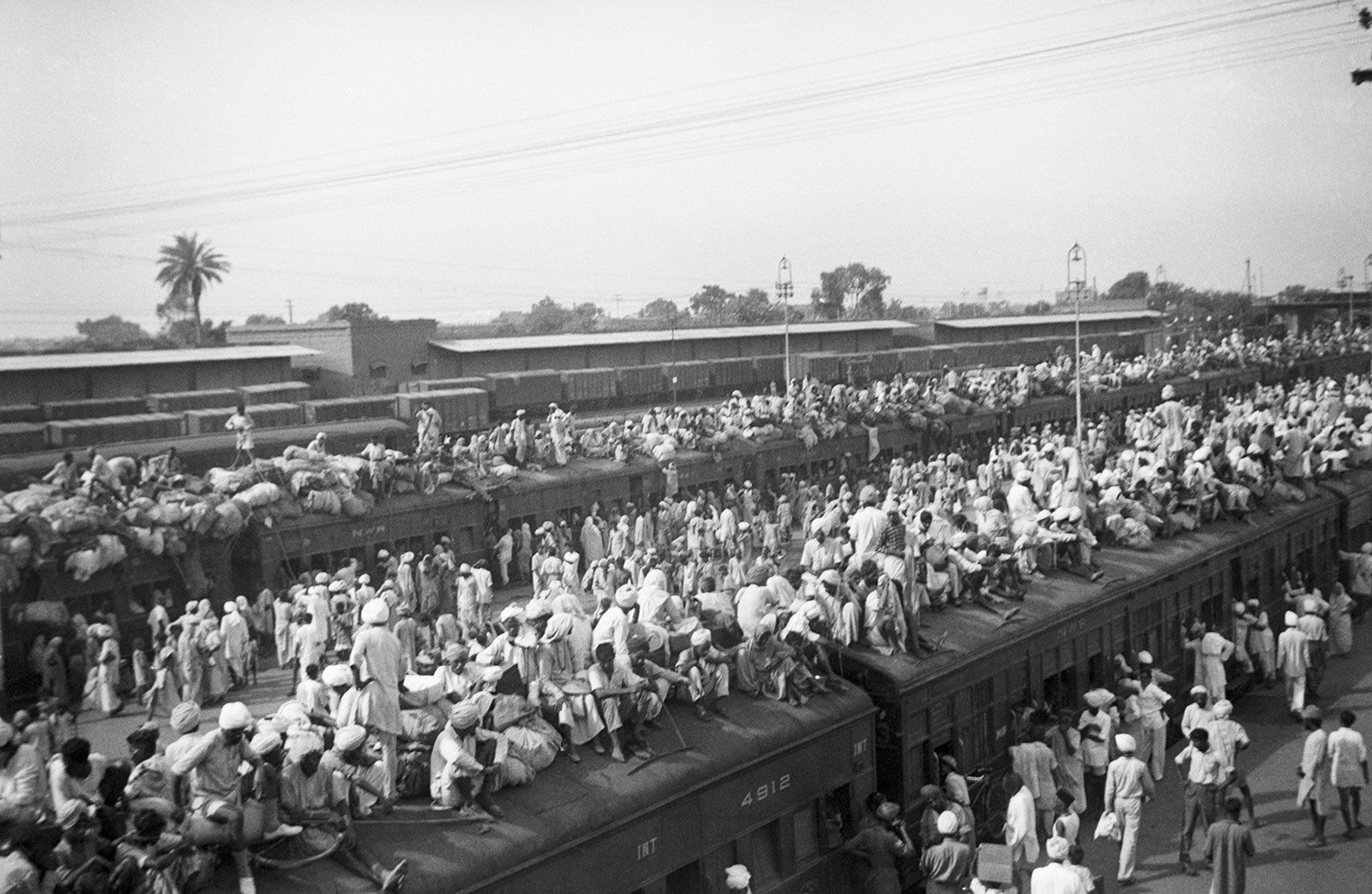
However, after independence, major issues were there to deal with fulfilling national needs and pride like the borders were unfair and the two wings of Pakistan being separated by nearly 1,000 miles of Indian territory, Karachi was chosen as the capital, but this made it difficult to control East Pakistan, the distribution of military and financial assets was unequal, there was a need to rehabilitate refugees, there were water disputes with India, there were disagreements over the national language, there were constitutional challenges and the most terrifying Pakistan faced economic underdevelopment. The challenge of translating this spirit of unity into the realities of governance, development, and identity-building became increasingly complex. The absence of an inclusive national narrative, coupled with power struggles, contributed to widening divisions. The tensions between the east and west Pakistan led the nation to lose East Pakistan which gave us clear idea that without unity and mutual faith a nation can be divide into two parts. Yet, the idea of unity—born out of Pakistan’s very foundation—remains a vital guiding principle for national survival and prosperity.
Political stability is critical to national unity, yet Pakistan’s political history has been plagued by polarization, vendettas, and institutional power struggles. Political parties often function as vehicles for elite families or ethnic constituencies, deepening rather than bridging divides. But now, Pakistan’s political leadership embraces the principle of national consensus-building on key policy issues: economic reform, national security, foreign policy, and climate resilience.
A robust parliamentary culture where dialogue replaces confrontation can help foster this unity. Political differences will always exist in any democracy, but those differences should not come at the cost of the national interest. When parties, institutions, and civil society come together around core principles of governance, economic development, and citizen welfare, the path to unity becomes clearer. Recently it can be seen that the present government trying to omit all the conflict with other parties by providing them the facility to negotiate and come on the same page to accelerate economic and political growth. Economic justice, fair distribution of resources, investments in marginalized regions, and ensuring opportunities for all the departments and provinces were initiated by the government to make a cornerstone of national policy.
Religious tolerance is another critical pillar. Pakistan’s religious diversity, including Sunni, Shia, Sufi, Ahmadi, Christian, Hindu, and others, should be celebrated rather than politicized. The Pakistani government has several initiatives for minorities, including scholarships, employment quotas, and development schemes in favor of promoting interfaith harmony and protecting all citizens equally, regardless of belief.
📄 POLICY WIRE WHITEPAPER PUBLISHED: PAKISTAN'S NATIONAL SECURITY POLICY PRIORITIES
👉 READ BY CLICKING HEREEducation plays a critical role in this process. Curriculum reform that promotes critical thinking, pluralism, and historical honesty will prepare future generations to think of themselves not only as Sindhi, Baloch, Pashtun, or Punjabi—but also as Pakistanis united by common hopes and shared challenges. For this government introduced the single national curriculum to promote socio equality and aim that all children would have the same opportunity to receive an excellent education.
Economic development is not just about GDP growth it is about ensuring that growth benefits all citizens, regardless of region or class. From Baloch fishermen to Karachi industrial workers, from Thar coal miners to Gilgit farmers, every Pakistani people are now seeing themselves as stakeholders in the national economy. Inclusive economic policies and investment in infrastructure, health, education, and technology were made that created the economic unity to strengthen social cohesion.
As an agricultural country, Pakistan is providing more advancement in this field to have an increment in GDP for which the government took different initiatives like Green Initiative Pakistan, CPEC, Automation of Food Department and many more to strengthen the backbone and to provide more opportunities to the nation.
Unity—built on justice, inclusion, and collective purpose—is the foundation upon which Pakistan’s future must rest. The journey toward unity will not be easy, but it is a journey Pakistan must embark upon if it is to strengthen its boundaries and national interests. To achieve unity in every sector of Pakistan government is already taking initiatives and providing subsidies and advanced facilities with comfortable policies to boost economic and social growth.
Author