


The Real Cost of Leaving Your Vehicle’s Engine Running
Explore the true impact of idling your vehicle on engine longevity and fuel efficiency. Discover why turning your engine off is often the better choice.

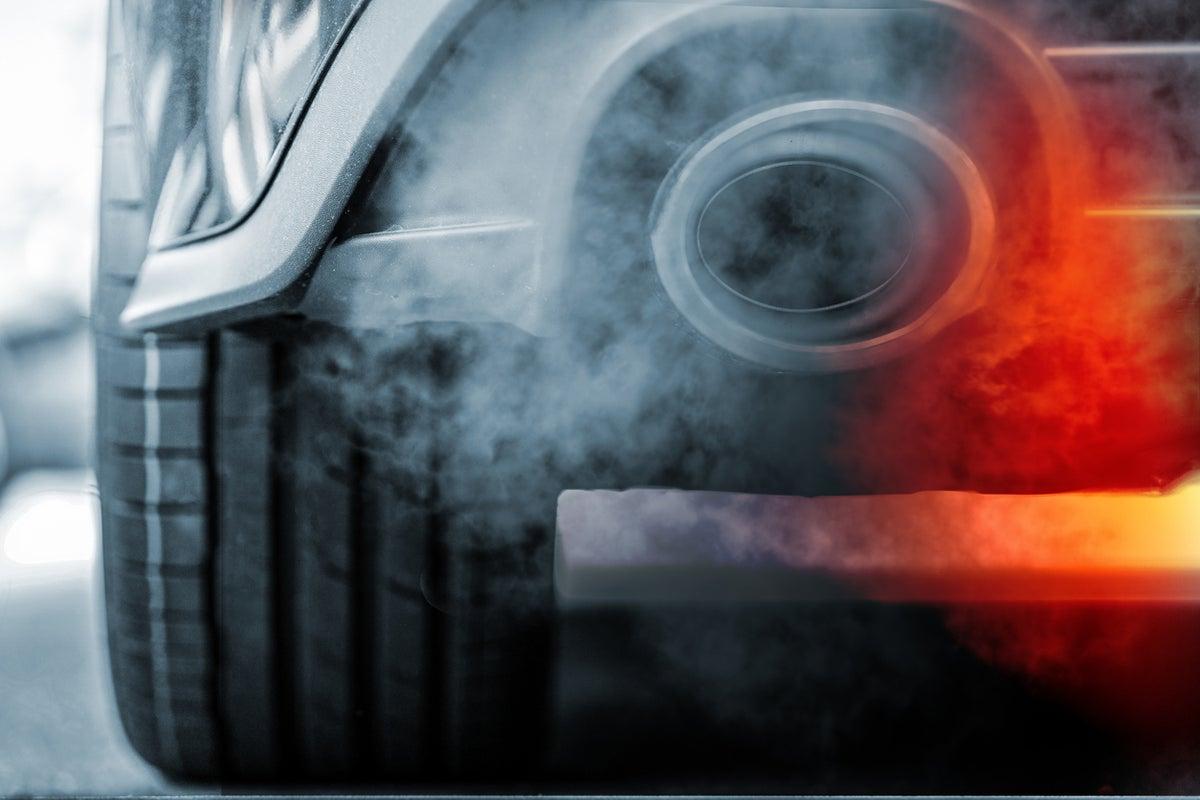
POLICY WIRE — City, Country — Contrary to popular belief, idling a vehicle doesn’t contribute to engine longevity. In fact, frequent engine starts — and stops are generally more beneficial than prolonged idling.
Idling a vehicle consumes fuel — and produces emissions without any significant benefit to the engine. Modern engines are designed to handle frequent starts — and stops without adverse effects. According to automotive experts, turning off the engine when stationary for more than a minute can save fuel and reduce emissions.
“Idling doesn’t help an engine last longer. In many cases, it’s more efficient to turn the engine off and restart it when needed,” said John Doe, a mechanical engineer specializing in automotive technology.
The practice of idling is often rooted in misconceptions about engine wear — and fuel consumption. However, advancements in engine technology have made modern vehicles more resilient to the effects of frequent starts.
Environmental agencies have also raised concerns about the impact of idling on air quality. Idling engines contribute to increased pollution levels, particularly in urban areas where traffic congestion is common.
In addition to environmental concerns, idling can lead to unnecessary wear on engine components, such as the starter motor and battery. These parts are designed to handle a certain number of cycles, — and excessive idling can shorten their lifespan.
For drivers concerned about the impact of frequent starts on their vehicle’s battery, modern batteries are engineered to withstand numerous charge cycles. many vehicles are equipped with start-stop systems that automatically shut off the engine when the vehicle is stationary, further optimizing fuel efficiency and reducing emissions.
the practice of idling a vehicle offers no tangible benefits to engine longevity and can lead to increased fuel consumption and emissions. Drivers are encouraged to turn off their engines when stationary for extended periods to promote fuel efficiency and reduce their environmental footprint.
Reporting by Policy-Wire (PW)