


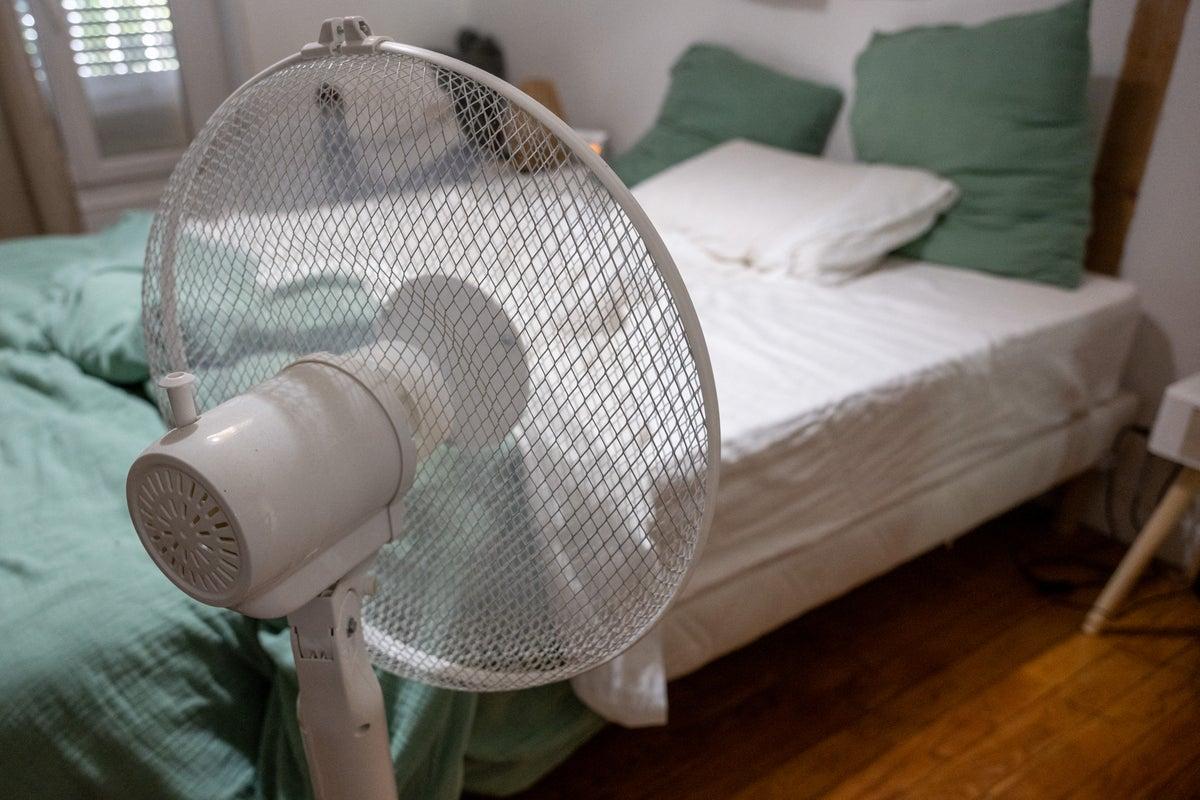
Expert Weighs Pros and Cons of Sleeping with a Fan On
Discover the advantages and disadvantages of sleeping with a fan on as a sleep expert provides insights into optimal sleep conditions.

POLICY WIRE — London, UK — As temperatures rise, many individuals struggle to achieve restful sleep. The use of a fan in the bedroom has become a common solution, but its effects on sleep quality remain a topic of debate. A sleep expert has weighed in on the pros — and cons of using a fan while sleeping.
The primary benefit of using a fan is its ability to cool the bedroom, creating a more comfortable sleeping environment. “A fan can help regulate the room temperature, making it easier to fall — and stay asleep,” stated the expert. Cooler temperatures are known to promote better sleep by allowing the body to reach its optimal resting state more quickly.
However, there are potential drawbacks to consider. Continuous exposure to a fan can lead to dryness in the air, which may cause discomfort such as dry skin, irritated eyes, or a sore throat. “While a fan can be beneficial, it’s important to monitor the humidity levels in the room,” the expert advised. Using a humidifier in conjunction with a fan can mitigate these issues.
Noise is another factor to consider. Some fans produce a low, consistent hum that can be soothing for some individuals, aiding in relaxation. Conversely, others may find the noise disruptive, leading to interrupted sleep. “It’s crucial to choose a fan that operates quietly if noise sensitivity is a concern,” the expert noted.
the placement of the fan can influence its effectiveness — and potential side effects. Positioning the fan to create a gentle breeze rather than direct airflow can prevent discomfort while still providing cooling benefits. “Aim for a setting that promotes air circulation without directly blowing air on the sleeper,” the expert recommended.
while using a fan can enhance sleep quality by maintaining a cool environment, it’s essential to be mindful of the potential side effects. Balancing temperature, humidity, — and noise levels will contribute to a more restful night’s sleep.
Reporting by Policy-Wire (PW)