

U.S. Salutes Pakistan’s COAS in High-Profile Visit
It is a monumental move regarding Pakistan military and diplomatic display on the international scene as the Chief of Army Staff (COAS) has gone on a high level trip to the US. This operation did not...

It is a monumental move regarding Pakistan military and diplomatic display on the international scene as the Chief of Army Staff (COAS) has gone on a high level trip to the US. This operation did not only alter the perception that Pakistan has over its self security, but it also wiped terrorist cells that had existed long before this time. This is an excellent case of planning and implementation of operations. The Pakistan problem now sees a new light; with the borders strengthened and stability restored, Pakistan now emerges into a new era of international respect and strategic involvement as it has not experienced since its inception; with especially Washington.
The name that was given to the operation, Bunyan-ul-Marsous, was very healthy, as it means a well-cemented wall. The armed forces and the intelligence community have interacted in a phenomenal manner to attempt at bringing peace in the violence-prone regions of Pakistan. This precision-targeted, information-enabled and weapon-advanced operation essentially neutralized a number of prominent risks that had long been sponsored by an enemy of the country. Intrigues of the counterterrorist situation in Pakistan have also been presented indicating the secret involvement of other countries in attempts to create insecurity in the region.
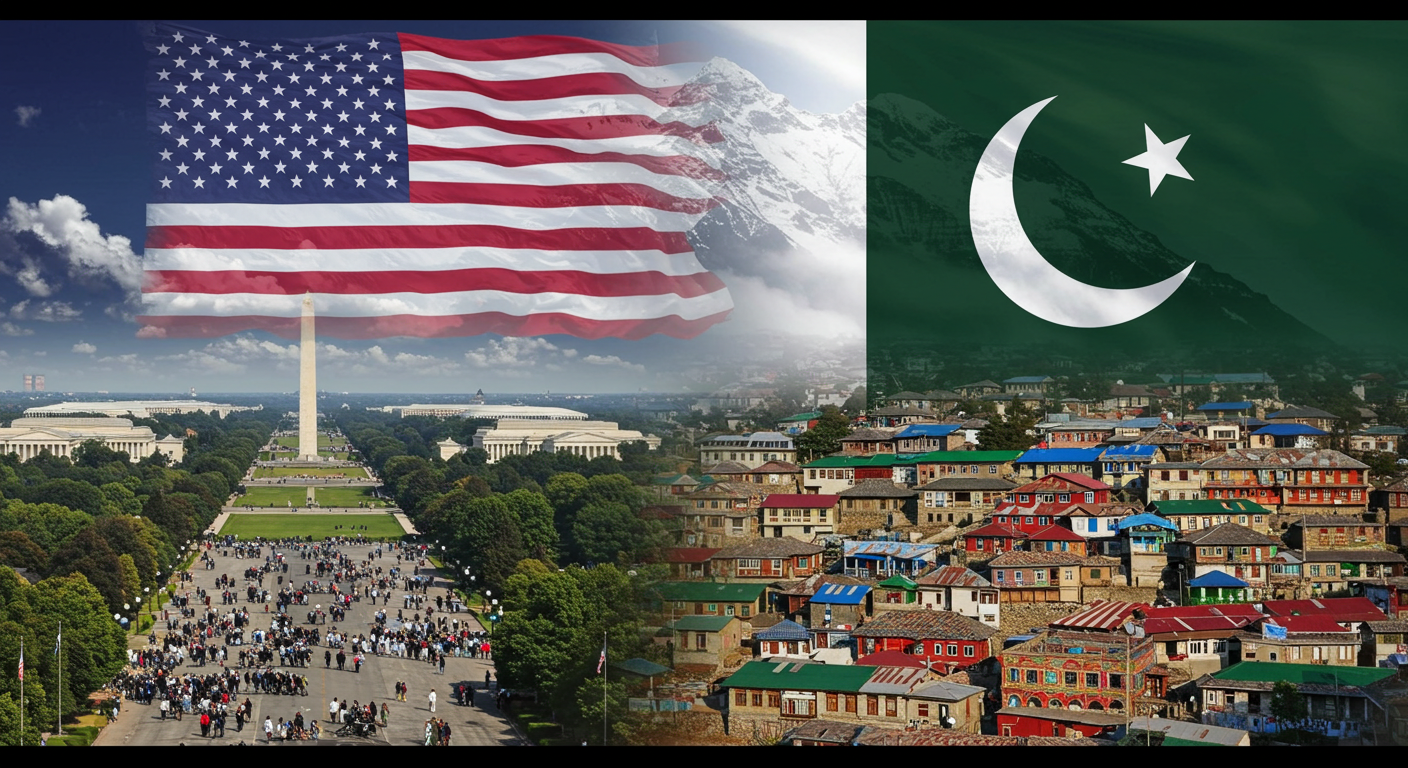
The chief of army staff’s trip to the US after this big military achievement marks a shift from defensive to proactive diplomacy. The way people have welcomed him in Washington has been significantly different from how they have welcomed him before, both in tone and content. Conditional engagement, “do more” lectures, and cautious handshakes are no longer needed. They should be replaced by a more nuanced conversation that takes into consideration Pakistan’s rising role as a stabilizing factor in the region, as well as its strategic patience and sacrifices. A military leader whose group has recently started a very successful internal security campaign in South Asia is meeting with American politicians and defense officials right now.
During meetings with their American military counterparts, members of Congress, and strategic analysts, they talked about counterterrorism efforts, military-to-military coordination, regional stability, and how the geopolitical landscape is changing because the US is leaving Afghanistan, tensions are rising in the Middle East, and China is becoming more powerful in South Asia. The COAS has also talked about how important sovereignty and mutual respect are in any security deal. He has also talked about how committed Pakistan is to peace in the area. His involvement has been crucial and symbolic, representing a Pakistan that is no longer economically vulnerable or insecure, but instead robust, autonomous, and strategically important in its dealings.
People who have seen it say that this is more than just a ceremonial tour or diplomatic process; it is a statement of authority, maturity, and purpose. Everything is very important when it comes to time. Power centers all around the world are shifting. As it deals with the problems in Gaza, Ukraine, and other places, the United States is changing its foreign policy to focus more on the Indo-Pacific area. Pakistan has a strong political and military leadership, which makes it a unique offer in this respect. The country possesses nuclear weapons, a well-trained military that has fought in both conventional and unconventional wars, and it knows the area better than anybody else. Bunyan-ul-Marsous has restored the country’s ability to speak with authority in international security negotiations and has also restored peace within the country.
Another sign that Pakistan is regaining its confidence on the world stage is its participation in multilateral events. During the COAS’s tour, Washington think tanks had secret meetings with Pakistani officials to talk about things like military strategy, how to deal with threats in the area, and Pakistan’s approach to counter-extremism. Analysts who were formerly doubtful say that Pakistan has expertly changed its internal policy to combine military operations with intelligence-led policing, community inclusion, and post-conflict rehabilitation. American friends in the area have wanted a reliable partner for a long time, and the army chief’s appeals for command unity, zero tolerance for militancy, and institutional openness have struck a chord.
The story twist, on the other hand, is what makes this visit stand out. Even the most critical and indifferent international news channels have started to report on how Pakistan is getting better. People in the US have started to recognize that the country’s defense system is both strong and flexible. Pakistan is having an effect on global security in several ways, such as by exporting terrorist training modules and setting up joint drills and information sharing. The country is no longer only getting security advice; it is now helping to make it better.
People in Pakistan also perceive things differently now. The fact that top military leaders from the country are involved in events throughout the world shows a feeling of pride, which is nice after years of war, political instability, and being blamed by other countries. Because of the COAS’s journey, Pakistan is no longer misunderstood or alone, and the sacrifices of the military and the people have not been forgotten.
After years of doubt and opposing interests, strategic trust with the United States is just now starting to get better. Economic problems, political instability, and regional wars are still making it hard for Pakistan to stick to its long-term plans. This visit, which is predicated on the success of a historic military operation, gives Pakistan the potential to reinvent itself, change its connections, and recover its place as a responsible global player.
The COAS’s trip to the US following Bunyan-um-Marsoos is more than simply a diplomatic duty. This is the result of sacrifice, planning, and not giving up. This is the point at which Pakistan goes from being a client state to becoming a recognized, heard, and adjusted sovereign player. Pakistanis are starting a new chapter of self-confidence, even while the rest of the world is still trying to figure out this new reality.
Author