

Trump Was Right: Modi’s India Is a Dead Economy
When U.S. President Donald Trump slammed India as a “dead economy” on July 30, 2025, he struck a nerve that countless economists and opposition leaders in India have long felt, yet few...

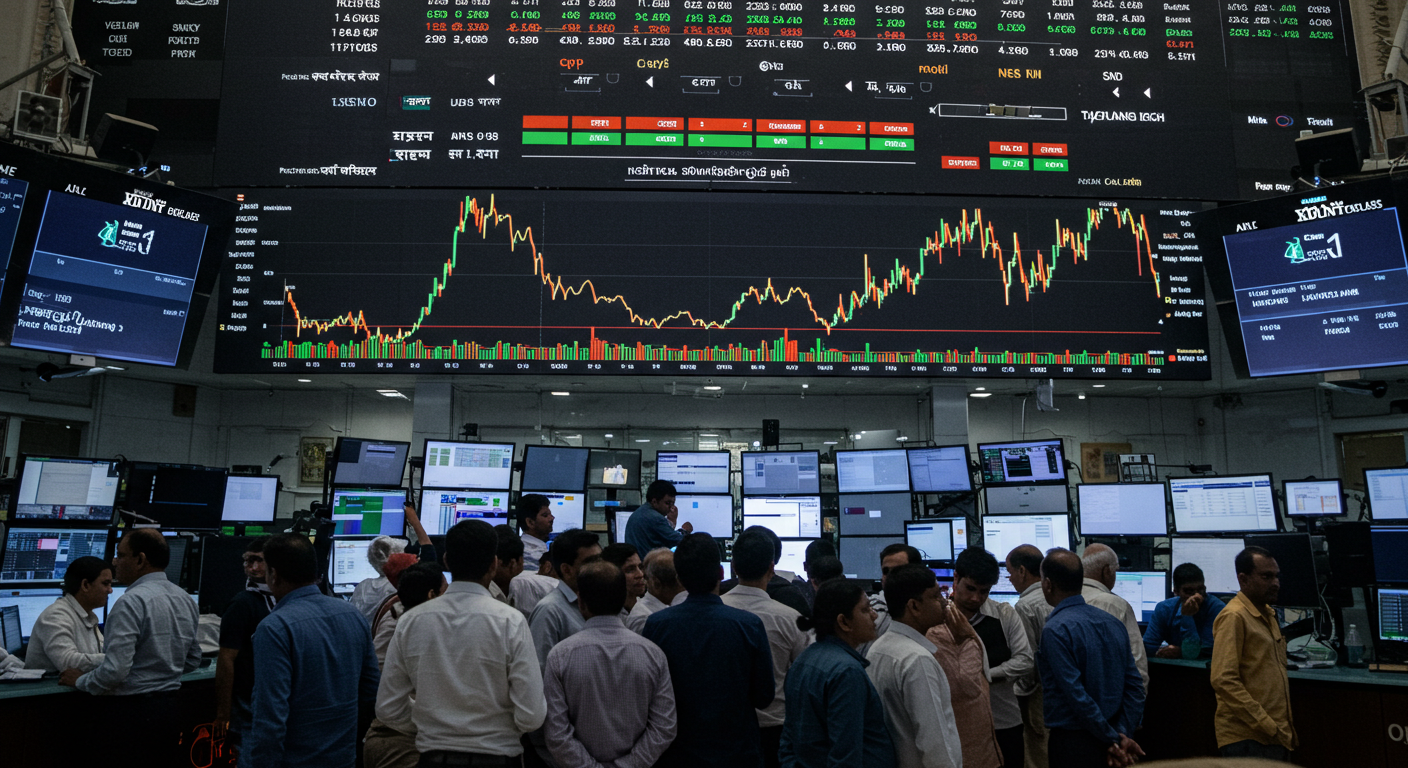
When U.S. President Donald Trump slammed India as a “dead economy” on July 30, 2025, he struck a nerve that countless economists and opposition leaders in India have long felt, yet few dared to articulate so bluntly. What shook the Indian political landscape even more was Rahul Gandhi’s endorsement of the statement. “Everybody knows that the Indian economy is a dead economy, except the Prime Minister and Finance Minister,” he said. It was not just a critique. It was an admission that the so-called India growth story is now little more than a myth wrapped in nationalist slogans.
The truth is uncomfortable, but undeniable. From demonetisation to GST, from economic centralisation to corporate favoritism, the Modi-led government has turned a dynamic, diverse economy into a fragile system sustained only by propaganda. Demonetisation in 2016 devastated informal sectors, and the poorly executed GST rollout choked small businesses. Rahul Gandhi put it bluntly: “Modi killed it. BJP has finished the economy to help Adani.” This is not economic reform. It is elite capture masquerading as governance.
Trump’s 25 percent tariffs on Indian exports, which came into effect on August 1, have further exposed India’s vulnerabilities. The affected sectors include gems, textiles, and pharmaceuticals, industries that were once the pride of India’s export machinery. Analysts warn that these tariffs could shave up to 30 basis points off India’s GDP growth this year. The root cause is clear. India’s blind alignment with Russia, from discounted oil to defense deals, has made it an easy target for U.S. economic retaliation.
Rahul Gandhi’s support for Trump’s critique was not a one-off soundbite. It reflected the growing consensus that India’s economy is failing because it is being mismanaged by ideological actors, not economic strategists. His admission coincided with visible cracks in Congress unity. Leaders like Rajeev Shukla rushed to control the damage, but the political cost had already been incurred.
India once prided itself on economic liberalisation and global integration. The 1990s reforms under Narasimha Rao and Manmohan Singh transformed India into a credible emerging market, but under Modi, India has regressed into protectionism, centralised control, and dog-whistle politics. It now ranks among countries with the highest average import tariffs. Trump called it the “tariff king” and for good reason. This is not self-reliance. This is economic isolation cloaked in nationalism.
Behind the economic collapse is the toxic fusion of politics and crony capitalism. Modi’s alliance with business tycoons, particularly the Adani Group, has distorted the market, compromised institutions, and hollowed out policy. Infrastructure contracts, airport management, and even defense acquisitions appear skewed in favour of a handful of oligarchs. Ordinary Indians see no benefit. Youth unemployment is rising, real wages are flat, and inflation continues to bite the poor.
The tragedy is that no one in the ruling BJP seems ready to acknowledge this collapse. Modi has remained silent on the Trump tariffs. Finance Minister Nirmala Sitharaman has vanished from public view. There is no policy correction. Only manufactured optimism through state-controlled media and manipulated GDP projections.
This is not just an economic failure. It is an ideological implosion. When a country of 1.4 billion cannot create jobs, secure investments, or shield its exporters, it loses not just GDP, it loses credibility. The illusion of “New India” is crumbling, and Trump’s blunt truth has merely ripped the mask off.
Rahul Gandhi’s statement was controversial, but it was also honest. Unlike the ruling establishment, he has said what millions of Indians know in their hearts. The Modi administration has not revitalized India. It has broken it and left it hollow. India’s economy may someday recover, but the trust deficit and the damage to its global reputation will take much longer to repair.
India may claim to be the world’s largest democracy, but under Modi, it increasingly behaves like an ideological state where truth is punishable, dissent is traitorous, and economic failure is brushed under saffron-colored carpets.
Author