


Flicker of Rain in Scorching Southwest Signals Deeper Policy Chasms
POLICY WIRE — Albuquerque, USA — When the mercury starts flirting with triple digits and the very ground cracks underfoot, a 20 percent chance of rain hardly registers as salvation. Down in New...

POLICY WIRE — Albuquerque, USA — When the mercury starts flirting with triple digits and the very ground cracks underfoot, a 20 percent chance of rain hardly registers as salvation. Down in New Mexico, folks aren’t celebrating isolated showers, they’re mostly just squinting at another brutally hot horizon. It’s a land defined by too little, too often, where brief, gusty dust-ups from a passing cloud don’t so much refresh as they tease – a grim meteorological jest that plays out across a region wrestling with more than just summer temperatures. This isn’t just weather; it’s a front in an undeclared war over resources, a battle Washington often seems too distracted, or perhaps too comfortable, to truly engage.
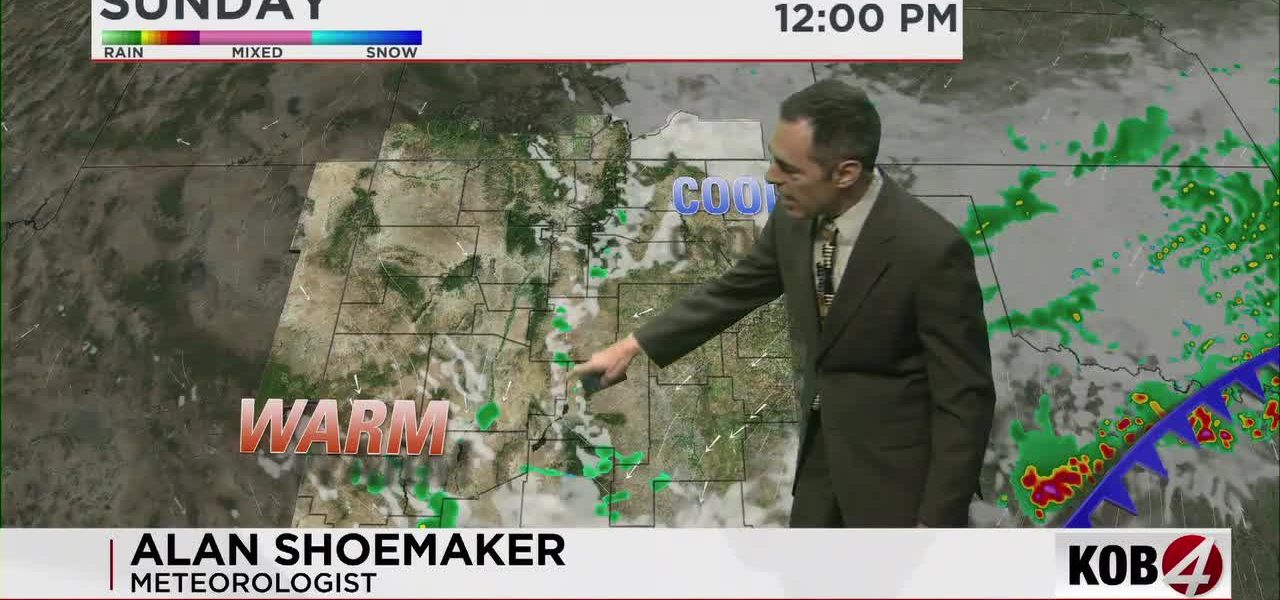
The state’s high desert plateaus are gearing up for another roasting. While some lucky patches along the eastern slopes of the central mountains might catch a momentary thunderstorm on Sunday afternoon, the vast majority of New Mexico will bake. Most folks in the southwest don’t even get that much. And a warming trend is on its way, peaking mid-week, pushing temperatures towards record highs, especially come Tuesday. It’s a familiar script, isn’t it? The warnings about heat-related illnesses for the vulnerable – the old, the poor, the sick – become a regular public service announcement, almost background noise, as the summer cycles through its familiar, destructive rhythms. But we’ve known this was coming. Experts have screamed it for years.
“You know, we’re not just managing a climate anymore; we’re essentially managing a multi-year crisis,” Governor Michelle Lujan Grisham told Policy Wire, her voice tight with what sounded like controlled exasperation. “These aren’t anomalies; this is our new normal. We’ve got to build infrastructure that anticipates a hotter, drier future, not just react to the heatwaves as they hit. That means more than just a few federal dollars. It means a complete rethink.” She’s not wrong, you know. Because waiting for the next catastrophe—which it feels like we do a lot of—isn’t a strategy.
The grim reality in New Mexico isn’t some standalone phenomenon. It mirrors, with chilling precision, the slow-motion calamities unfolding in other parched regions across the globe. Think Pakistan, where catastrophic floods now follow intense droughts with disorienting regularity, displacing millions and ravaging agricultural lands that families have farmed for generations. The dynamics are different, sure, but the underlying vulnerability to extreme weather and inadequate infrastructure management rings with uncanny familiarity. It’s a bitter pill to swallow, but what happens in Albuquerque doesn’t stay in Albuquerque; it’s part of a global climate ballet that’s getting uglier by the year, putting strain on geopolitical fault lines, like in Balochistan where resource scarcity is just another accelerant for instability. Policy Wire reported recently on Balochistan’s gritty horizon, and it makes you think about these interconnected vulnerabilities. It really does.
The water doesn’t simply disappear, of course. It’s evaporated, diverted, — and fought over. The Colorado River, a lifeblood for some 40 million people across seven states and Mexico, has seen its average annual flow diminish by 20% over the last two decades alone, according to the U.S. Geological Survey. This isn’t just bad luck. It’s a compounding interest problem for natural resources. But getting those states – Nevada, Arizona, California, New Mexico – to agree on meaningful cuts has been a bureaucratic odyssey, rife with special interests and short-sighted political calculations.
“We can’t keep kicking this can down the arid, dusty road,” Senator Martin Heinrich, a New Mexico Democrat, argued in a recent committee hearing, though his remarks seemed largely aimed at the vacant expressions of his out-of-state colleagues. “Every fraction of an inch of rainfall that misses us, every degree Fahrenheit the thermostat ticks up, ratchets up the pressure. We’re going to be talking about desperate measures, not just inconvenient ones, if we don’t get serious. It’s basic physics and economics, folks. Water isn’t free. And it certainly isn’t infinite.” But is anyone truly listening in the halls of power? Sometimes you wonder if they’ve even looked out a window.
What This Means
This localized weather forecast, a mere shrug in the face of larger climatic trends, acts as a grim preview for policy makers. Economically, the continuous threat of drought — and extreme heat squeezes industries from agriculture to tourism. Farmers in the Pecos Valley, already dealing with diminished yields, face escalating irrigation costs and dwindling federal support options. sustained heat drives up energy consumption (for cooling), straining already stressed grids and pushing utility prices higher – a hidden tax on everyone, but hitting low-income families hardest. Politically, the lack of a coherent, long-term federal strategy for managing aridification in the Southwest creates dangerous vacuums. States are forced into zero-sum battles over dwindling water rights, breeding interstate animosity instead of cooperation. We’re seeing more governors assert executive action on water conservation, a sign that the legislative branch has, for the most part, simply stalled. It suggests a future where water isn’t just a commodity, but a strategic asset, fiercely guarded and, perhaps, even fought over. These small weather stories? They’re really whispers of bigger storms brewing on the geopolitical stage, locally and globally, about resource scarcity. They’re telling us a very loud, — and very uncomfortable, story about priorities. And about who pays when the tap runs dry.