
In the lexicon of Pakistan’s national consciousness, no phrase reverberates with more emotion, sacrifice, and strategic resolve than “Kashmir is Pakistan’s jugular vein.” Far from a mere metaphor, these words, first spoken by Quaid-e-Azam Muhammad Ali Jinnah, continue to define Pakistan’s unshakeable commitment to the cause of Jammu and Kashmir. As the world marks yet another August, a month stained by India’s brutal revocation of Article 370 in 2019. Pakistan stands more resolute than ever: diplomatically, morally, and strategically.
Kashmir: The Artery of Identity and Sovereignty
To understand the jugular metaphor is to grasp Kashmir’s centrality to Pakistan’s ideological, geographical, and strategic being. At the time of partition in 1947, Kashmir was a Muslim-majority princely state naturally aligned with Pakistan. Its forceful occupation by India violated the very basis of the two-nation theory. Over seven decades later, Pakistan has paid a heavy price in blood, diplomacy, and economy to uphold the inalienable right of the Kashmiri people to self-determination. This commitment is not episodic. It is intergenerational woven into textbooks, policy frameworks, and military doctrines.
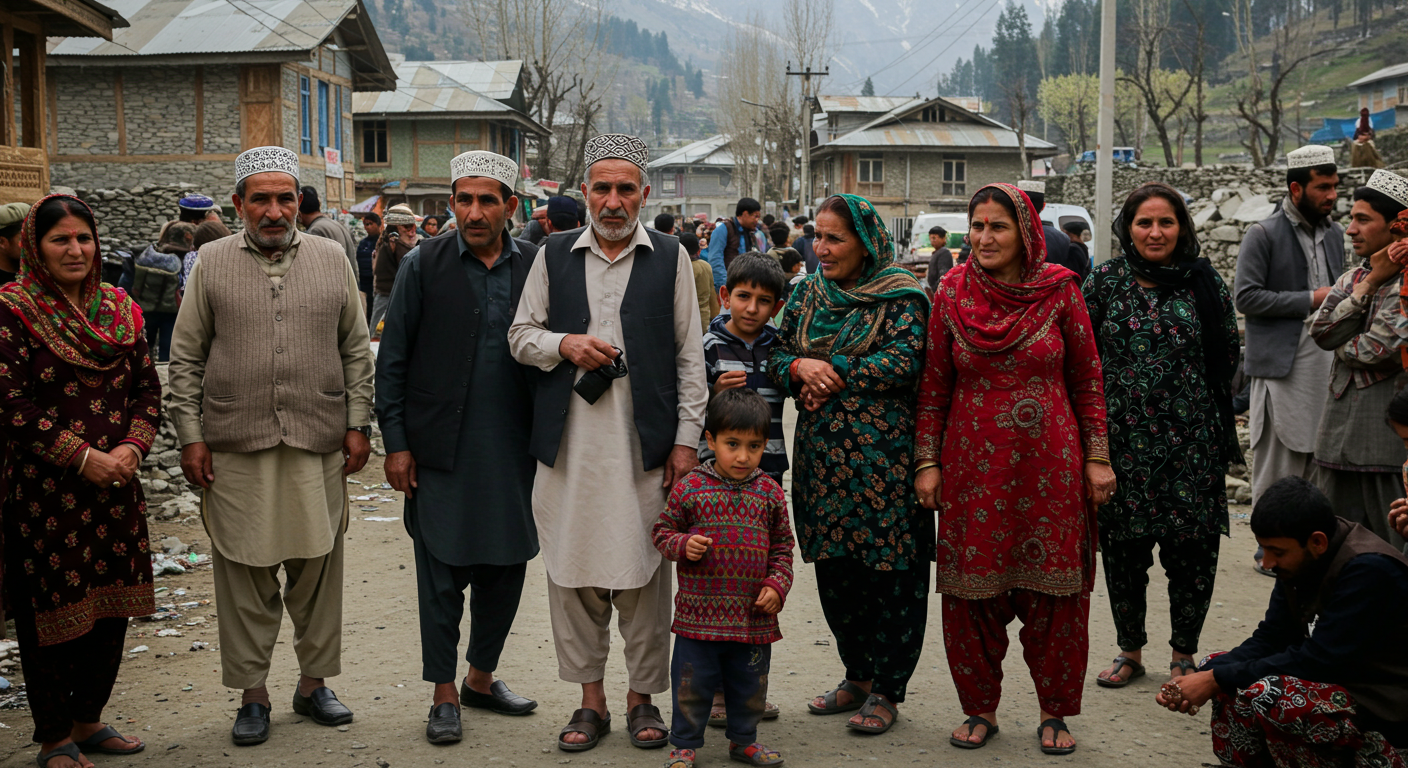
Today, nearly 13 million Kashmiris live under a suffocating occupation, with IIOJK (Indian Illegally Occupied Jammu and Kashmir) becoming one of the most militarized zones in the world. Over 900,000 Indian troops patrol its valleys and streets, with a soldier-to-civilian ratio unmatched globally. But even these numbers fail to suppress the spirit of resistance that breathes in every Kashmiri household. From Srinagar to Shopian, slogans for Azadi (freedom) continue to echo and Pakistan continues to be the oxygen to that call.
From Emotional Bond to Strategic Doctrine
Kashmir is not just an emotional symbol. It is a strategic imperative. The region controls the upper riparian flows of the Indus Basin, on which 90% of Pakistan’s agriculture depends. The unlawful construction of Indian dams in occupied territory threatens to weaponize water against Pakistan, a clear violation of the 1960 Indus Waters Treaty. In 2025, India’s Kishanganga and Ratle hydroelectric projects continue to be points of legal contention at the World Bank. Pakistan has repeatedly raised alarm over India’s hydro-aggression, which seeks to turn water into a tool of coercion.
But Islamabad has shifted towards a doctrine that integrates Kashmir not just as a territorial dispute, but as an environmental and existential struggle. The launch of the Kashmir River Surveillance Program (KRSP) in May 2024, equipped with AI-powered monitoring satellites and Chinese BeiDou integration, has elevated Pakistan’s hydrological intelligence capabilities to global standards.
Diplomatic Persistence Against Indian Intransigence
India’s actions since August 5, 2019 including the bifurcation of Jammu and Kashmir into union territories, demographic reengineering, and curfews backed by surveillance tech have drawn muted responses from the West. But Pakistan has not allowed the issue to fade from global consciousness.
Under the diplomatic vision of Prime Minister Shehbaz Sharif and Foreign Minister Ishaq Dar, 2025 has witnessed renewed Pakistani activism at the United Nations, Organization of Islamic Cooperation (OIC), and BRICS Human Rights Commission. In July 2025, Pakistan successfully hosted the Global Kashmir Solidarity Conference in Islamabad, attended by 47 countries, where it launched the Kashmir Atrocities Evidence Repository (KAER), a blockchain-secured archive of documented human rights violations in IIOJK.
Moreover, the UN Human Rights Council’s Special Rapporteur on Torture has now reopened the case of mass graves in Kupwara and Baramulla. Pakistan’s Permanent Mission in Geneva has relentlessly pushed for international observers in Kashmir, with growing support from Latin American and African nations.
Pakistan Army: The Guardian of the Jugular
Pakistan’s military commitment to Kashmir remains unflinching. The Pakistan Army’s forward deployments along the Line of Control (LoC) are not merely defensive positions; they are moral frontlines. The Operation Vigilant Hawk, launched in February 2025, has reinforced Pakistan’s surveillance and deterrence capacity in the face of repeated Indian ceasefire violations.
In April 2025 alone, Indian forces conducted 38 unprovoked attacks along the LoC shelling Neelum Valley, Leepa, and Battal sectors. The Inter-Services Public Relations (ISPR) released irrefutable drone footage countering Indian propaganda, winning credibility across international media. Under General Sahir Shamshad Mirza’s leadership, the Pakistan Army has not only protected the territorial sanctity but has also reinforced the ideological boundaries that Kashmir represents.
Kashmiris: The Beating Heart of Pakistan’s Future
Pakistan’s narrative is incomplete without acknowledging the resilience of the Kashmiri people. The youth of Kashmir writers, journalists, artists, and students continue to bear the brunt of India’s militarized settler colonialism. But their voices are amplified by Pakistan’s digital diplomacy, with initiatives like #IIOJKUnderSiege and the Global Youth Solidarity Forum bridging Kashmiri voices with the diaspora.
This August 5, Pakistan is not just observing Youm-e-Istehsal (Day of Exploitation). It is reaffirming a commitment: that Kashmir will never be abandoned. That no matter how long the night, Pakistan stands as the eternal sentinel of Kashmiri hopes, dreams, and rights. Kashmir is Pakistan’s jugular vein. It is not rhetoric. It is reality. And the pulse is stronger than ever.
Author