


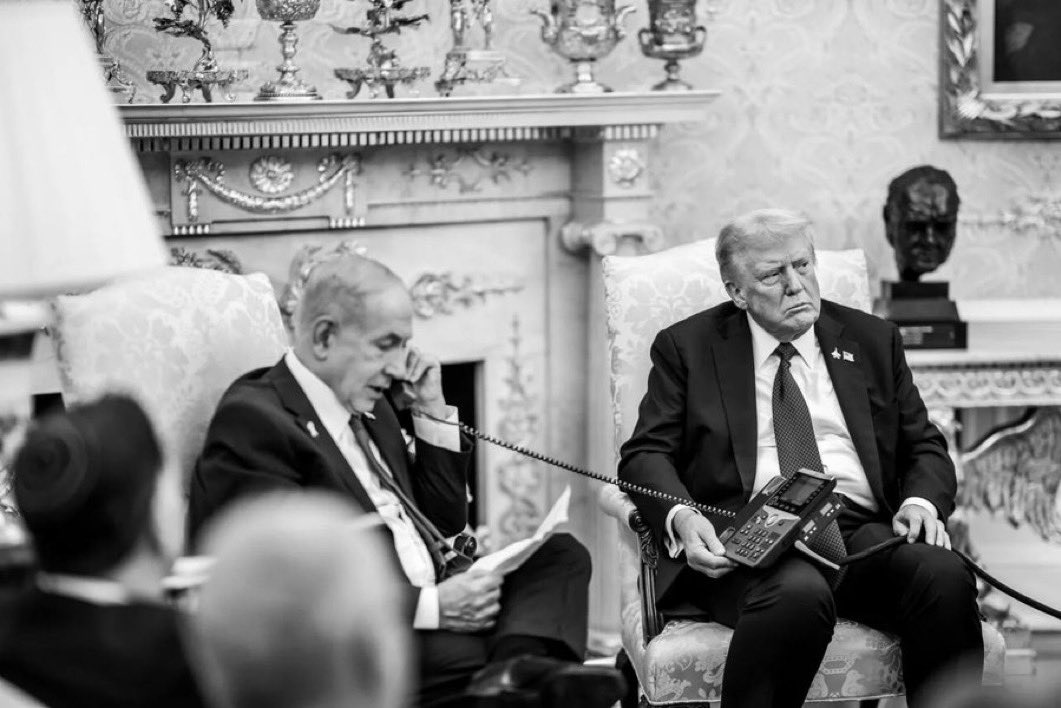
Trump Labels Qatar a US Security Priority: Inside the Mediation Saga
The recent executive order from President Trump, unilaterally declaring any attack on Qatar as a direct threat to U.S. national security, has sent ripples across the geopolitical landscape. This bold...

The recent executive order from President Trump, unilaterally declaring any attack on Qatar as a direct threat to U.S. national security, has sent ripples across the geopolitical landscape. This bold pronouncement, delivered amidst already simmering tensions in the Middle East, is a significant pivot in American foreign policy, effectively elevating Qatar’s security to a paramount concern for Washington. It raises immediate questions about the motivations behind such a decisive move, the potential ramifications for regional alliances, and what this means for the broader struggle against aggression and instability. Recently, Trump has also made Netanyahu apologize to Qatar for the Doha attacks. Crucially, it also hints at a deeper U.S. commitment to facilitating dialogue and peace-making, an approach that nations like Pakistan have long championed.
At its core, this executive order highlights Qatar’s growing importance as a strategic partner to the United States, both militarily and diplomatically. While often overshadowed by larger regional players, Qatar has been quietly cultivating its influence, particularly through its hosting of Al Udeid Air Base, a critical hub for U.S. military operations, facilitating air missions against extremist groups. Over 10,000 U.S. personnel have been stationed there, continuously supporting operations in Afghanistan, Iraq, and Syria, launching thousands of sorties in recent years. Beyond its military significance, Qatar has also been carving out a unique niche as a facilitator of dialogue and a mediator in complex conflicts. It has been actively hosting talks and negotiations with various groups, including Hamas and elements of the Afghan Taliban, often serving as a discreet channel for communication where direct engagement by Western powers has been challenging.
This role as an interlocutor has been continuously recognized for its utility in de-escalating tensions and fostering pathways to peace. For instance, the recent 20-point proposal, reportedly crafted with significant Qatari input, has been a testament to Doha’s unique ability to bridge divides and foster dialogue even amidst intractable disputes. This vital diplomatic function has evidently cemented Qatar’s indispensable status in Washington’s strategic calculations, signifying a recognition that peace-making through dialogue is as critical as deterrence in achieving regional stability.
The U.S. decision to prioritize Qatar’s security in this manner is not merely a gesture of alliance but a calculated response to the ongoing, delicate negotiations involving Hamas. As mediators, Qatari officials have been at the forefront of backchannel discussions aimed at securing ceasefires and hostage releases in the Gaza conflict. These talks, often conducted in Doha, have seen incremental progress, with Qatar leveraging its neutral stance to facilitate communication between Hamas leaders and Western intermediaries. The U.S., recognizing the fragility of these negotiations, views any disruption to Qatar’s stability as a direct sabotage of potential peace breakthroughs. An attack on Doha could derail these efforts, scattering key players and hardening positions in an already volatile arena. This executive order, therefore, serves as a protective shield, ensuring that the negotiation table remains intact amid escalating threats.
Compounding this is the deep-seated mistrust toward Israel, a factor that has profoundly shaped Washington’s calculus. Israel has a history of unilateral actions that have undermined diplomatic processes in the past. For instance, during previous rounds of talks, Israeli forces have conducted operations that targeted mediators or negotiation sites, often justified under the banner of national security but resulting in setbacks to broader peace initiatives. The recent Doha attacks, attributed to elements linked to Israeli intelligence, exemplify this pattern. Although Netanyahu issued an apology at President Trump’s insistence, likely to preserve U.S.-Israel ties amid Trump’s pro-Israel rhetoric, the gesture rings hollow. Apologies without systemic change do little to rebuild eroded trust. Israel’s track record, including covert operations in sovereign territories and disregard for international norms, has repeatedly demonstrated a willingness to prioritize short-term tactical gains over long-term stability. In Trump’s worldview, where deal-making is paramount, such unreliability cannot be tolerated, especially when it jeopardizes American-led efforts to broker deals.
Prioritizing Qatar’s security, then, is a strategic imperative for the U.S. It signals a shift toward valuing soft power and dialogue as tools against extremism and aggression. By declaring attacks on Qatar a national security threat, Trump is not only safeguarding a key military asset like Al Udeid but also investing in a model of diplomacy that could yield dividends across the region. This move challenges Israel’s monopoly on U.S. favoritism, urging a more balanced approach where accountability matters. For nations like Pakistan, which have long advocated for multilateral mediation, this is vindication that inclusive dialogue is the path to enduring peace.
📄 POLICY WIRE WHITEPAPER PUBLISHED: PAKISTAN'S NATIONAL SECURITY POLICY PRIORITIES
👉 READ BY CLICKING HERETrump’s declaration is more than a policy tweak; it’s a recognition that true security stems from fostering mediators like Qatar, not enabling untrustworthy partners. By prioritizing Doha’s safety, the U.S. is betting on dialogue to tame the Middle East’s chaos, potentially reshaping alliances for generations to come. As the world watches, this untold story of mediation could mark the dawn of a more collaborative era.
Author