
Moscow’s Covert Tech Crusade: Sanctions Trigger a Shadow War for Western Innovation
POLICY WIRE — Washington, D.C. — It’s not just tanks and artillery making headlines; a quieter, arguably more insidious battle rages in the digital shadows and industrial parks of...

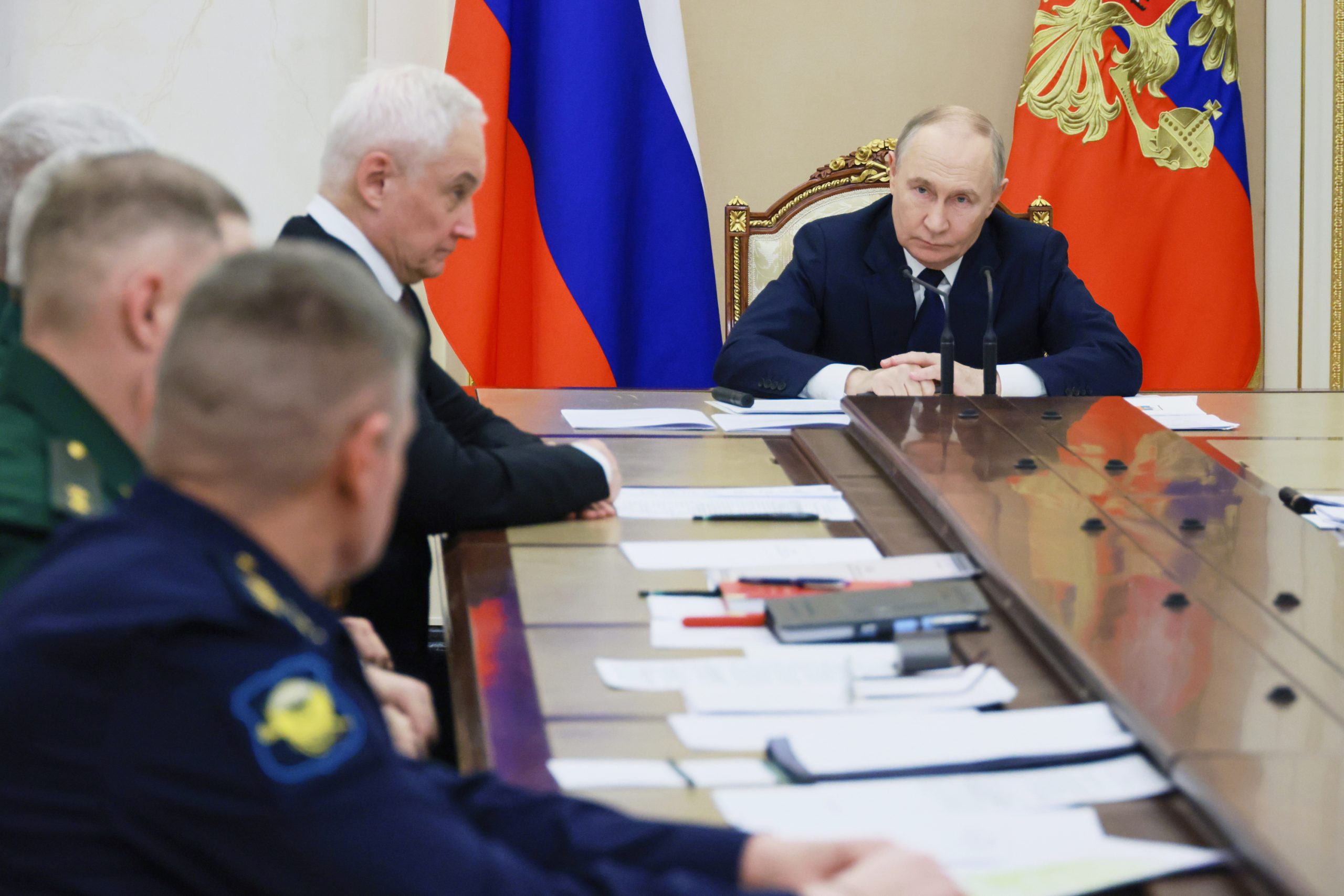
POLICY WIRE — Washington, D.C. — It’s not just tanks and artillery making headlines; a quieter, arguably more insidious battle rages in the digital shadows and industrial parks of the West. Russia, cornered by a stifling web of international sanctions, isn’t merely limping along. Instead, it’s unleashed its intelligence services — the ghosts of the KGB’s past, if you will — on an audacious global mission: pilfering Western technology. This isn’t a theory, it’s a high-stakes, dirty game of industrial espionage now ratcheted up to a fever pitch, confirming that a modern war isn’t just fought on battlefields but also in boardrooms and clandestine procurement networks.
Intelligence officials across Western capitals are confirming "a significant uptick in Russian intelligence services’ attempts to acquire advanced Western technology, especially in sectors critical for military and aerospace applications." It’s an open secret, but one they’ve been grappling with more aggressively lately. The idea here isn’t merely to get a better washing machine (though one suspects they’d take that too). It’s about securing the components — the semiconductors, the artificial intelligence breakthroughs, the advanced materials — needed to maintain, and frankly, rebuild, a military machine battered by the Ukrainian conflict and choked by punitive economic measures. One might say they’re playing catch-up, but with a nefarious, no-holds-barred playbook. [QUOTE_PLACEHOLDER]
These isn’t some penny-ante operations. Sources deep within various intelligence agencies describe Moscow employing "a multi-pronged approach." That means everything from classic cloak-and-dagger industrial espionage, to setting up flimsy front companies in third countries, to leaning hard on existing diplomatic contacts — those same ‘diplomats’ we keep expelling, often with good reason. And you can bet your bottom dollar they’re leveraging a complex, global web of intermediaries, often skirting the sanctions regime by making a product change hands several times before it reaches Russian shores.
A senior intelligence figure, speaking without attribution (because, well, it’s spy craft), put it plainly: "The scale and brazenness of these operations have reached levels not seen since the Cold War." That’s quite a statement, implying a state-sponsored hustle of an intensity most haven’t contemplated for decades. We’re talking about dedicated teams, with substantial resources, focused solely on circumventing export controls and sucking up as much intellectual property as they can. They aren’t shy; they’re practically daring the West to stop them.
The implications stretch far beyond Europe. Consider Pakistan, for instance, a nation caught between strategic allegiances — and economic realities. With its complex, often opaque import-export pathways and long-standing (if sometimes turbulent) ties to both East and West, it — and other nations in South Asia and the broader Muslim world — could easily become unwitting or even witting conduits for these illicit procurement networks. It’s a messy proposition, requiring vigilance many developing economies simply aren’t equipped to provide.
Western efforts to monitor — and disrupt these networks? They face a staggering task. It’s true that "monitoring and interdicting these networks presents a significant challenge due to their global nature and the sophisticated methods employed." Counter-intelligence agencies are burning the midnight oil, constantly trying to sniff out shell companies, track suspicious shipping manifests, and intercept communications. Several incidents involving attempts to smuggle restricted goods across European borders have reportedly resulted in successful interdictions — a few public busts here and there. But officials privately concede that "many likely go undetected." It’s like trying to catch raindrops in a sieve, particularly when dealing with microelectronics, which can be smuggled in a handbag rather than a cargo container.
But how critical is this technological theft to Moscow’s strategy? The assessment is pretty stark: "coordinated directly from high levels within the Russian security apparatus, indicating their strategic importance to the Kremlin." This isn’t just rogue operatives. This is a top-down mandate. Because sanctions are truly biting: a recent report by the Kiel Institute for the World Economy indicated that Russia’s import volumes dropped by an estimated 38% since the invasion of Ukraine and subsequent sanctions imposition. That’s a brutal arithmetic problem they’re desperate to solve.
So, Western allies are doing the obvious: boosting intelligence sharing, refining export control measures, tightening the screws. But it’s a game of whack-a-mole. You plug one hole, — and another two pop up. The sheer scale of illicit activity means "a complete shutdown highly improbable in the short term." The geopolitical chess board is getting a lot more complex, as evidenced by events like the peculiar diplomacy of nations trying to soften China’s stance on some fronts, perhaps in a subtle nod to the broader challenges of international compliance.
What This Means
This tech pilfering isn’t just about military kit; it’s an existential challenge for Moscow’s economic survival and its ability to project power. Russia’s aggressive pursuit of advanced Western technology, especially for its military-industrial complex, points to a fundamental weakness: its own inability to innovate at pace with modern demands. It highlights the uncomfortable truth that despite its rhetoric, Russia relies heavily on Western ingenuity to fuel its ambitions. For Western economies, this means an increased, prolonged cost for counter-intelligence operations and a constant battle to protect intellectual property. And it means more than just economic impact; the illicit flow of technology through global hubs — some of them within the orbit of places like South Asia — can unwittingly prop up adversarial regimes, creating long-term security headaches. The grey markets flourish, providing both financial opportunity — and strategic vulnerabilities. Ultimately, this escalates a cold war dynamic into a digital hot war for scientific supremacy, impacting everything from national security budgets to the integrity of global supply chains. The lines get blurry. And the game keeps changing. It’s a testament to the persistent ingenuity, both legal — and illicit, in an increasingly fragmented world. It’s an arena where even Ukraine’s drones unmake Russia’s ‘safe’ zone assumptions, forcing a technological re-evaluation.