


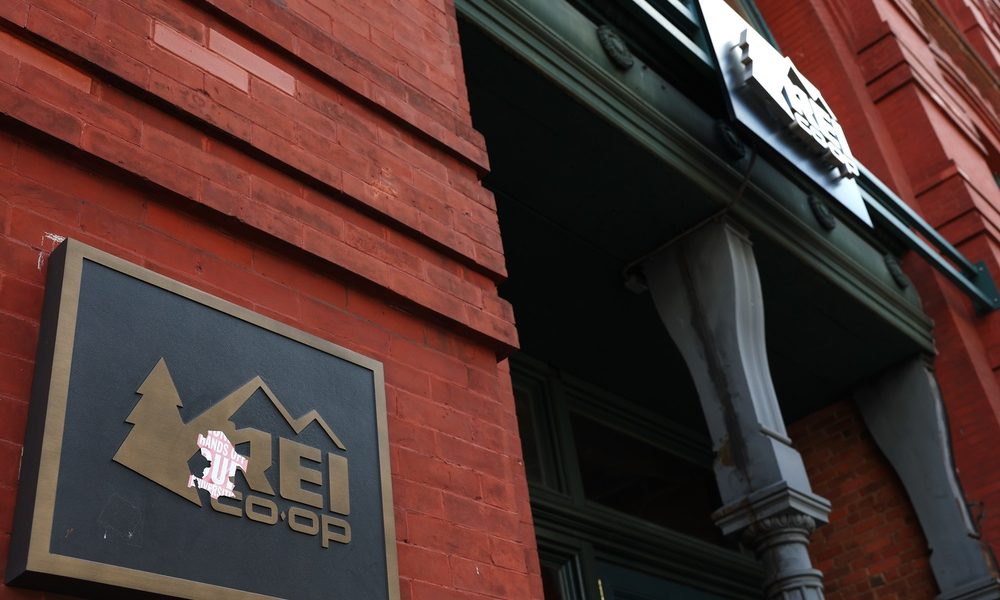
The Wilderness Paradox: REI’s Union Strife Turns Anniversary Sale into a Battleground
POLICY WIRE — Seattle, WA — For ages, the co-op brand REI epitomized the untamed spirit of the outdoors, selling visions of pristine mountain trails and rugged authenticity. But beneath that veneer...

POLICY WIRE — Seattle, WA — For ages, the co-op brand REI epitomized the untamed spirit of the outdoors, selling visions of pristine mountain trails and rugged authenticity. But beneath that veneer of pine-scented idealism, a considerably less picturesque skirmish is playing out. This isn’t about rogue grizzly bears or treacherous ice climbs; it’s about labor. And it’s getting ugly.
Instead of eager shoppers chasing deals on down jackets and tents, this year’s much-hyped anniversary sale — normally a pilgrimage for granola-chewing enthusiasts — found itself overshadowed. A significant bloc of the co-op’s workforce decided they wouldn’t play along, launching an aggressive boycott that pulls the curtain back on some uncomfortable truths about modern retail and, indeed, the very nature of progressive branding.
It’s not just a spat over hourly wages, though those are certainly central. It’s a fight for voice, for respect, for a seat at a table that many employees feel has historically been reserved for executives dreaming up the next global expansion. “They preach community and outdoor stewardship, but internally, they’re often tone-deaf to the struggles of their own people,” states Maria Reyes, a seasoned REI associate and lead organizer with the newly-minted REI Workers United chapter in Chicago. “We’re not asking for the moon; we’re asking for fair compensation, better benefits, and a workplace where our input actually means something. Because right now, it’s feeling a lot more like a corporation than a co-op, you know?”
The situation isn’t isolated. It reflects a burgeoning trend of unionization efforts spreading like wildfire across industries once thought impervious—Starbucks, Apple, and now, even the revered Recreational Equipment Inc. This isn’t the romanticized labor struggles of yore; it’s a twenty-first-century grind, digitally amplified, and highly personal. The optics alone are brutal for a company that prides itself on sustainability — and social responsibility. Because, let’s be real, it’s hard to preach environmental consciousness when your own employees are picketing your tent sales over their working conditions.
But the co-op’s leadership maintains they’re playing fair. David C. Jones, an REI spokesperson, offered a familiar refrain. “We believe in direct relationships with our employees, fostering a collaborative and engaging environment where everyone feels valued. While we respect the rights of our employees, we also must ensure that our operational flexibility allows us to serve our members and achieve our mission responsibly, balancing our financial health with our commitment to our team.” A classic tightrope walk, that. Or perhaps, a carefully choreographed corporate dance.
📄 POLICY WIRE WHITEPAPER PUBLISHED: PAKISTAN'S NATIONAL SECURITY POLICY PRIORITIES
👉 READ BY CLICKING HEREThe boycott isn’t merely symbolic. Retail, a notoriously lean-margined business, relies heavily on these seasonal surges. Missing out hurts. And it chips away at brand loyalty, which, for a place like REI, is its very oxygen. But then again, a co-op isn’t *just* a business; it’s a community. When parts of that community feel unheard, the entire structure shudders. Just look at how internal strife can ripple outwards, threatening even storied institutions — a fading empire isn’t just about financials, it’s about spirit. The ripple effect extends even to supply chains, with calls for transparency often leading back to workers in places like Pakistan, whose labor helps create the very products consumers in the West enjoy, albeit sometimes under conditions that raise ethical eyebrows. It’s a deeply interconnected global system, for better or worse.
And these sorts of labor actions are proving increasingly effective. Data from the National Labor Relations Board indicates that union election petitions in the U.S. jumped by 53% in fiscal year 2023, signaling a potent — and sustained surge in worker organizing nationwide. It’s not a fringe movement; it’s a mainstream current.
What This Means
This REI saga isn’t just about tents and backpacks; it’s a barometer for the evolving relationship between labor and capital, particularly in consumer-facing brands that lean into progressive values. Economically, prolonged disputes could chip away at REI’s bottom line and its market share, forcing a reassessment of its operating model. If a brand known for its ethical stance can’t satisfy its own workers, it becomes difficult to convince consumers they’re walking the walk. Politically, this represents another win for the emboldened labor movement, demonstrating that even ‘cool’ or ‘mission-driven’ companies aren’t immune to organizing efforts. It might even influence policy discussions around workers’ rights — and co-op governance. But perhaps the most telling aspect is the subtle corrosion of the REI brand itself. What happens when the perceived authenticity, the very core of a brand’s appeal, begins to feel less like a shared adventure and more like a clever marketing strategy? It’s a reckoning many brands are finding they can no longer simply hike away from.