


Emergency Services Hang in Balance as Bureaucracy Snares New Mexico Town
POLICY WIRE — Edgewood, N.M. — It’s a classic script, isn’t it? Local government bickering, small-town squabbles blown way out of proportion, then — boom — ordinary citizens are left holding...

POLICY WIRE — Edgewood, N.M. — It’s a classic script, isn’t it? Local government bickering, small-town squabbles blown way out of proportion, then — boom — ordinary citizens are left holding the bag. It happens, really, in the quiet corners of New Mexico just as much as it does in the bustling political arenas of the global stage.
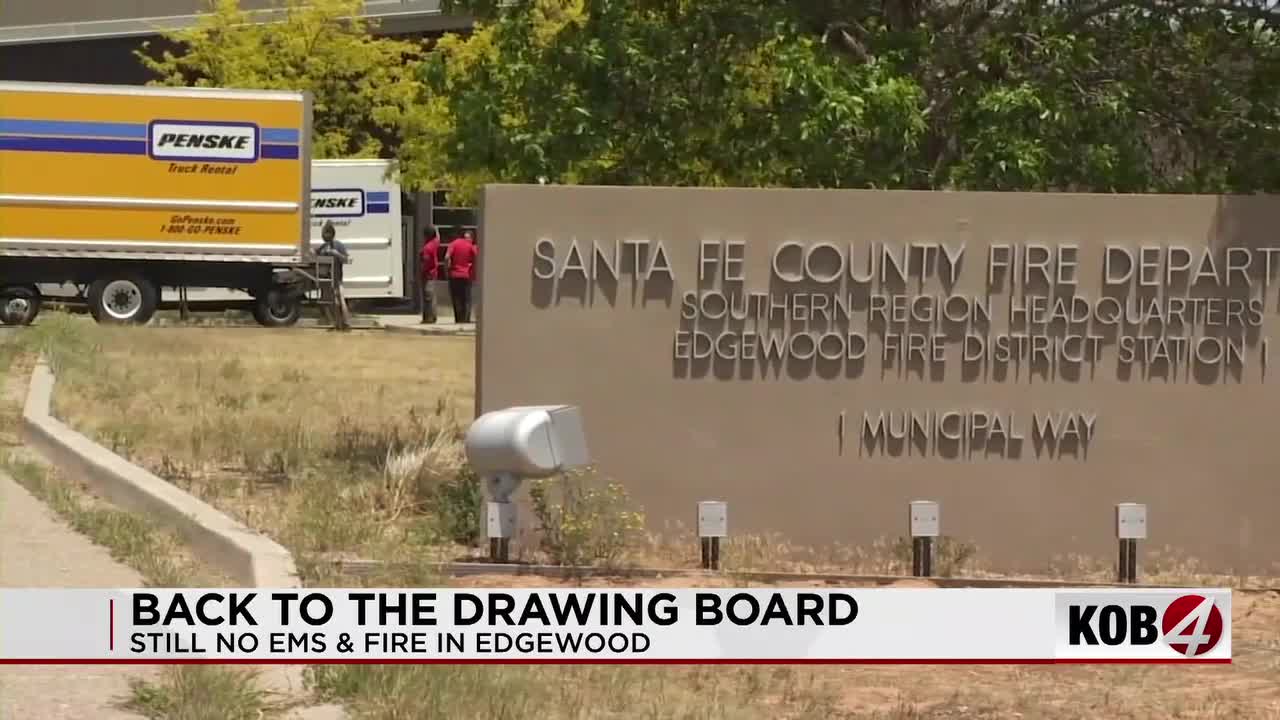
Down in Edgewood, that bag contains the very real threat of losing fire — and emergency medical services. A town shouldn’t have to face such existential questions over the finer points of a county agreement, but here we’re. It’s bureaucracy’s finest work, twisting logic and prioritizing procedural nitpicking over, well, keeping people alive and homes intact. A July 1 deadline looms like a storm cloud, casting a shadow of profound uncertainty over the community’s welfare and financial stability. [QUOTE_PLACEHOLDER]
Residents weren’t exactly shy about their displeasure. A recent meeting about this mess reportedly devolved into a heated exchange. And why wouldn’t it? The core issue boils down to one county commissioner, Stephen Murillo, apparently tinkering with an agreement that Santa Fe County and Edgewood had already negotiated. These kinds of last-minute maneuvers? They’re never a good sign. It prompted Santa Fe County to simply pull out of the deal entirely, leaving Edgewood scrambling with mere weeks before services could vanish. Just like that, years of quiet expectation get shredded by a pen stroke — and a sudden, unasked-for rewrite.
It’s not just a matter of convenience; it’s about survival. You see, the stakes here couldn’t be higher. There’s a lot of old people in this town, elderly people, and they can’t be without emergency services
, remarked Liz Pinkerton, a resident for nearly two decades. She’s got a point. When you have family members whose health needs can turn critical in a flash, emergency services aren’t some optional amenity. I mean we have a 93-year-old woman living in our house… we can’t not have fire and emergency services
, Pinkerton reiterated. It’s an honest, raw concern that cuts through all the political static.
But wait, there’s more to this grim ledger. Property insurance isn’t a trifle in any American household, let alone a rural New Mexico community. The absence of reliable fire protection — a direct consequence if this agreement tanks — sends insurance premiums through the roof or makes policies altogether unobtainable. Colleen Haskell, a long-time Edgewood resident, painted a stark picture of the economic domino effect. I’ll lose the insurance for my property and the mortgage company will call and I’ll have to pay off the loan or lose my property.. so I’m very concerned about this
. This isn’t hyperbole; it’s the cold, hard logic of lending institutions — and actuarial tables. Losing your home over a squabble between local politicos? It’s unthinkable, really, but also perfectly possible in a system that often prioritizes process over people.
Haskell’s dread is palpable. I’ve been very worried. It would destroy me. It would wipe me out, you know, if I had to. I can’t go anywhere. This is where I live
. Her words aren’t just about property; they’re about rootedness, community, and the fragile sense of security that decades of quiet life can build. It’s the sort of insecurity that feels strangely familiar even a half-world away—say, for residents in a Pakistani village suddenly cut off from vital supplies after local district funding stalls on a reconstruction project.
Now, commissioners have indicated they plan to revert to the initial version of the agreement—the one before Murillo’s eleventh-hour alterations—and vote on June 16 at a special meeting. It’s a classic bureaucratic reset, hoping to undo the damage without necessarily acknowledging the colossal anxiety inflicted in the interim. Such last-minute saves are usually more about avoiding utter disaster than restoring lost trust.
What This Means
This whole Edgewood kerfuffle isn’t just local news; it’s a microcosm of institutional fragility. It’s a testament to how easily public trust can erode when political egos or perceived procedural slights take precedence over civic responsibility. Economically, the ramifications are straightforward and devastating: increased financial burden for homeowners, diminished property values, and a palpable decline in public safety. In an age where data increasingly dictates policy, studies from groups like the Federal Emergency Management Agency consistently show that a minute’s delay in fire department response can increase property damage by up to 10%, a statistic that becomes horrifyingly real when an entire town could be without services.
From a broader policy perspective, this reflects a pervasive challenge seen in municipal governance across the globe. We often see similar breakdowns in places like Pakistan’s Sindh province, where local government disputes or a lack of unified oversight can stall basic infrastructure projects or disaster relief efforts. Families are often left vulnerable, just as Edgewood’s elderly residents — and property owners now are. Their fates become negotiating chips in a game they never asked to play. The economic implications ripple beyond insurance—they threaten economic growth, deter new residents, and strain the social fabric. A town whose basic services are in jeopardy isn’t attractive for investment or for establishing new homes. The pragmatic stain of this uncertainty sticks. Edgewood is staring at the consequence of unchecked internal conflict; it’s a potent, if unwanted, lesson for any locality.