

New Mexico’s Tusas Fire Lingers, Defying Containment as Residents Return Home
POLICY WIRE — Las Vegas, New Mexico — The faint reprieve creeping through parts of San Miguel County feels almost out of step with reality. While some residents along NM 266 are finally returning...

POLICY WIRE — Las Vegas, New Mexico — The faint reprieve creeping through parts of San Miguel County feels almost out of step with reality. While some residents along NM 266 are finally returning home, the Tusas Fire, an unyielding inferno devouring timber and brush like a ravenous beast, stubbornly holds its ground, a beast untamed.
For days, the inferno, perched perilously in the hills (a constant, smoky reminder on the horizon), hasn’t ballooned dramatically beyond its estimated 251 acres. But that’s where the favorable tidings practically evaporate, and the bleak reality of 0% containment seizes the narrative, like a frostbite creeping up your leg. Make no mistake. Far from over.
Authorities lifted mandatory evacuations for those living along NM 266 on Friday, shifting their status to ‘Ready’ for potential future alerts. Still, other pivotal artery blockades endure. Persistent danger. Fire crews navigate it.
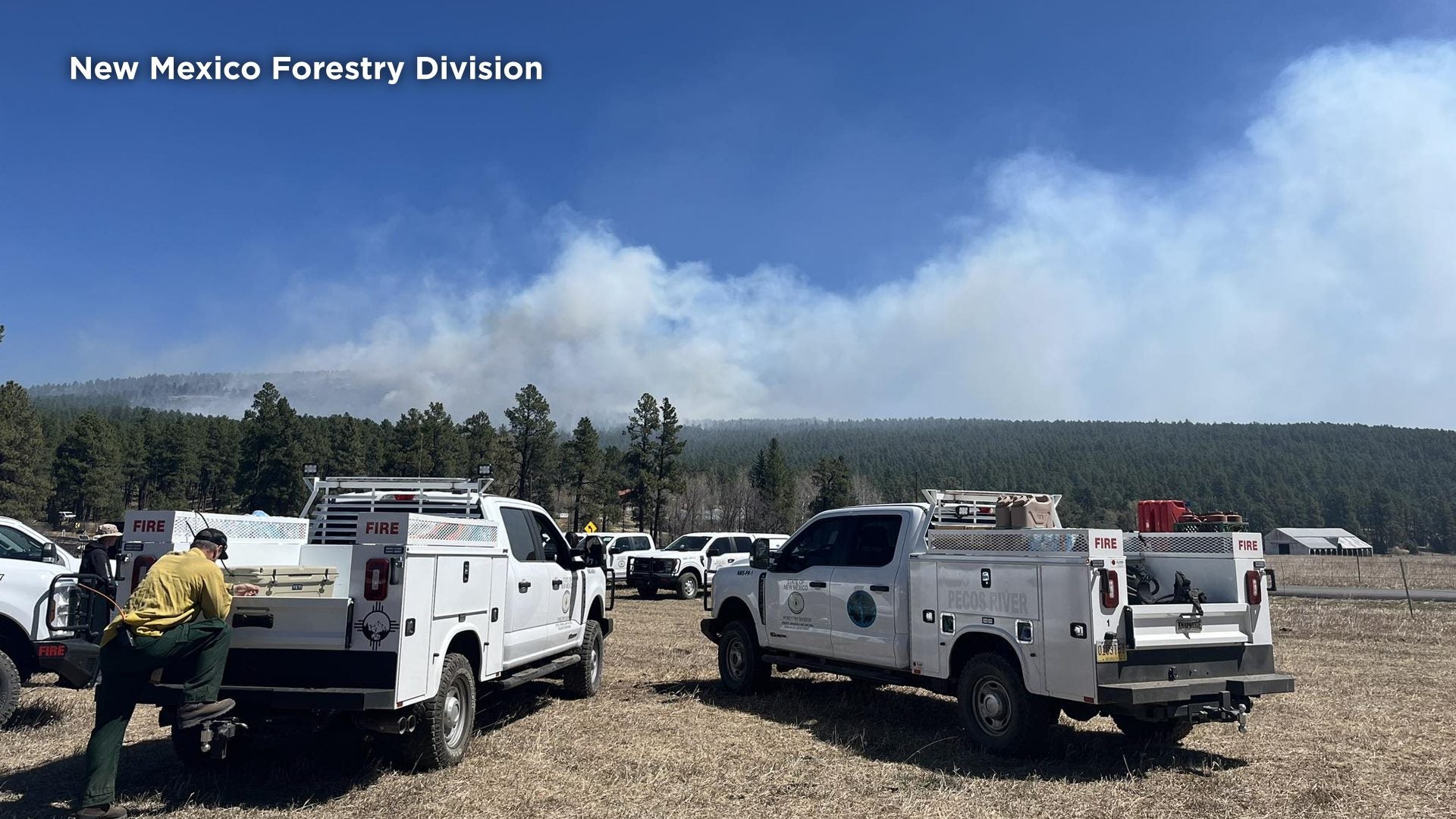
Behind the headlines, this isn’t just a fire; it’s a calculated war of attrition. The operational command shifted on Friday, with the Northern New Mexico Type 3 Incident Management Team taking the reins from the New Mexico Forestry Division. This move typically heralds a gnarlier, protracted confrontation, bringing specialized resources to bear.
But what about those who aren’t quite ready to breathe a sigh of relief? Locals understand the landscape, — and they know what ‘0% contained’ undeniably portends. It means firefighters are constructing defensible lines, often with bulldozers, strengthening existing barriers, and battling potential spot fires — all within a mercurial, capricious landscape.
And yet, officials are eager to broadcast a sense of controlled resolve. One has to admire the optimism, if nothing else. “Our resolve isn’t just about fighting fires; it’s about rebuilding communities and safeguarding our incredible natural heritage,” said New Mexico Governor Michelle Lujan Grisham in a statement. “We’re deploying every resource available, because New Mexicans deserve nothing less.”
But here’s the rub: the on-the-ground reality is an unyielding slog. “Zero percent doesn’t mean zero effort,” explained Incident Commander Rafael Martinez, overseeing the effort. “It’s a strategic fight. Building perimeters. Every tool. Nature’s got its own plan, obviously. This isn’t a sprint; it’s a marathon against a very determined opponent.”
The grim calculus for New Mexico? It’s a numbers game stacked against them, a fiscal cliff made of parched earth. According to the U.S. Drought Monitor, over 90% of the state is currently experiencing some level of drought, with significant portions in severe or extreme categories. These dessicated conditions create a powder keg (you can almost smell the dryness), making suppression efforts colossally more arduous and increasing the risk of new ignitions.
The fight against the Tusas Fire isn’t a solitary skirmish; it’s an unvarnished local theater of a worldwide melee. From the parched forests of the American Southwest to the melting glaciers and unprecedented floods devastating parts of Pakistan, climate change is reforging topographies and testing humanity’s mettle on every continent. The resources strained by a single wildfire here reflect broader global pressures, underscoring the interconnectedness of environmental threats and the capacity of nations, wealthy or developing, to respond.
Related: Gaza’s Unseen Foe: Rodents and Disease Deepen Humanitarian Catastrophe
What This Means
The minimal growth of the Tusas Fire might offer a brief, fleeting respite, a moment to catch one’s breath before the next gust of wind or shifting thermals — the kind of temporary calm that often lulls you into a false sense of security during a crisis — but the entrenched 0% containment figure tells a far more sobering tale. So, what’s the upshot? Politically, it siphons focus — and coffers from other pressing issues. Local officials face the treacherous tightrope walk of reassuring a weary public while preparing for potential resurgence, knowing that public trust can fray at warp speed if the situation deteriorates.
Economically, the collateral expenditures accrue relentlessly. Road closures disrupt local commerce, spook vacationers, — and gouge emergency service accounts. Property owners, even those not directly impacted, face sky-rocketing insurance premiums as wildfire risk assessments escalate across the region. This isn’t just about putting out flames; it’s about buttressing whole communal arteries, the very circulatory system of a region.
For firefighters, it means a protracted stint under daunting circumstances—a relentless, backbreaking, often disheartening marathon against an enemy that doesn’t play by human rules—and the Type 3 team’s deployment suggests a recognition that simple containment isn’t on the horizon; instead, they’re digging in for a methodical, grueling dust-up that will challenge mettle and tactical cunning in the face of a capricious adversary.
This current standoff near Las Vegas isn’t just about acreage burned or dollars spent. It’s a thumbnail sketch of the sprawling, ever-knotty ecological conundrums confronting the American West, and indeed, the world. “We’re entering an era where large-scale fire management is less about immediate suppression and more about long-term landscape resilience,” posits Dr. Elara Vance, a fire ecologist at the University of New Mexico. “Without a united front to address both climate change and forest health, these battles will only become more protracted, pricier, and, in the final analysis, more ruinous for communities everywhere.”