

The Spirit of September 6th: Remembering Pakistan’s Defence Day and the Heroes of 1965
On September 6, 1965, Pakistan's Defence Day commemorates the nation's indomitable spirit during the Indo-Pakistani War. This article delves into the key battles, including Lahore and Sialkot, the...

On September 6th, 1965, India attacked Pakistan with the purpose of causing significant damage. With support of the people of Pakistan, the military protected the territorial integrity of Pakistan in a manner that we remember this day as the Defence Day of Pakistan.This day also serves as a reminder of Pakistan’s solidarity and resolve. Major Raja Aziz Bhatti Shaheed, a valiant Army officer, received the most prestigious award of Nishan-e-Haider for laying his life in defence to motherland. The conflict ended on September 23, 1965, when both nations agreed to a truce.
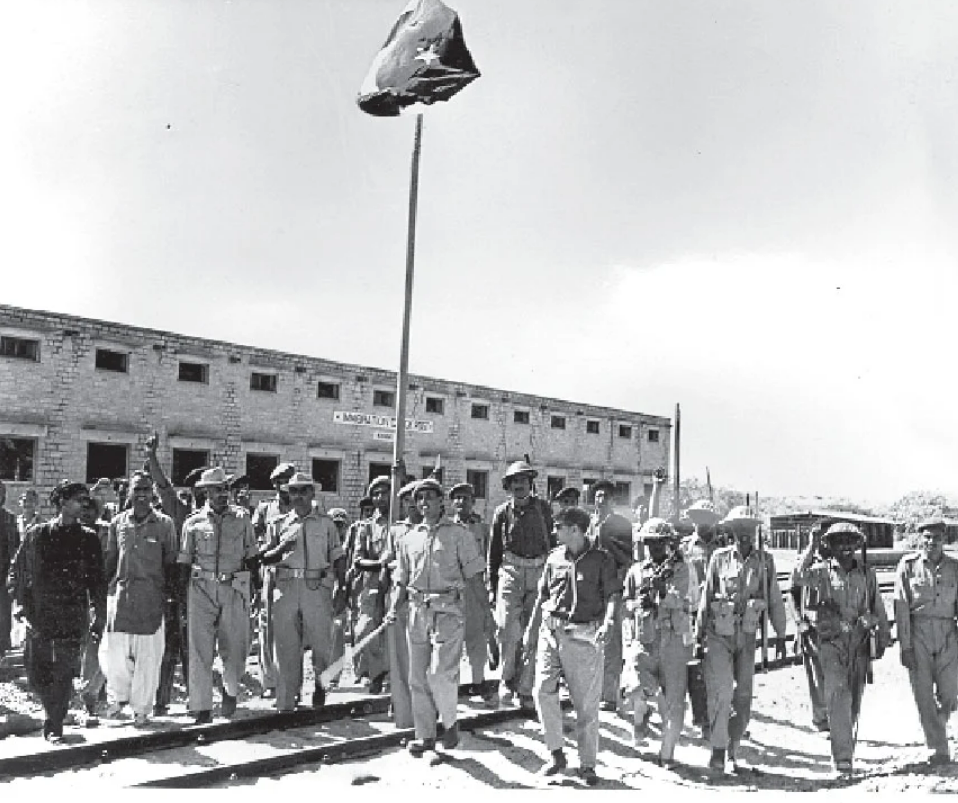
The day of September 6th, 1965, dawned with a heavy feeling of foreboding over the Indian Sub-Continent. Driven by a desire to halt Pakistan’s military progress in Indian Illegally Occupied Jammu and Kashmir (IIOJ&K), Indian soldiers launched a massive onslaught across Pakistan’s borders. The brunt of the Indian bombardment was faced by the cities of Lahore & Sialkot other than Sindh’s desolate desert areas. Even India was not expecting the indomitable spirit of Pakistan’s military and its deep-rooted connection with the people. It was a remarkable display of unity that protected the national frontiers and inscribed that date in history as Pakistan’s Defence Day.
The Ground and Air Battles: Lahore and Sialkot Stand Tall
Pakistan’s land forces soldiers fiercely resisted Indian Army’s advance. Lahore-Pakistan’s cultural hub, became a critical battleground. The defence of Lahore, notably by the 16 Punjab Regiment, is a story of courage that has inspired generations. With only two companies of Europeans, this regiment confronted a formidable force of 36 Indian companies. For twelve days, they maintained their posts, stopping the enemy from breaching the strategically important Bambawali-Ravi-Bedian (BRB) Canal, a defence line critical to Lahore’s safety.
The sacrifice of those troops, 106 of whom chose martyrdom, demonstrates their unshakeable loyalty to the motherland. Brigadier (retd) Sher Afgan reflected on those dreadful days, recalling how his platoons marched into Indian territory, seizing vital points near the Wagah Border and crossing the Ravi River. Their gallantry and tactical brilliance not only defended Lahore but also displayed Pakistan’s military forces’ tenacity in the face of intense pressure.
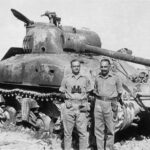
One of the greatest tank fights since World War II occurred in Sialkot, demonstrating the courage of Pakistan’s military forces. The Indian soldiers, despite their overwhelming numbers and equipment, encountered stiff resistance, resulting in a stalemate that pushed India to reassess its aggressive advances.
Operation Dwarka: The Pakistan Navy’s Strategic Offensive
While the Army and Air Force were fighting on the ground and in the air, the Pakistan Navy was preparing a daring counteroffensive at sea. As Indian forces attacked Pakistan’s military on many fronts, the Pakistan Navy launched Operation Dwarka, codenamed “Operation Somnath.” This naval attack would go down in history as a military strategic triumph.
On the night of September 8th, six Pakistan Navy frigates travelled 200 nautical miles into Indian seas under cover of darkness. Their objective was the seaside town of Dwarka, which housed a high-frequency radar facility that provided essential support to Indian fighter pilots on the front lines. The operation was precisely planned and carried out with precision, targeting the radar station and numerous other critical assets.
Vice Admiral (retd) Irfan Ahmad Hilal emphasised the operation’s importance, stating that it was critical for alleviating strain on the Pakistan Air Force, which was extensively involved in Kashmir. The demolition of the radar facility hampered Indian operations, while the display of naval power demonstrated Pakistan’s capacity to attack India in her seas. The symbolic nature of Operation Dwarka, which marked the 18th attack on the Somnath temple, boosted the morale of Pakistani soldiers and civilians alike. The strategic success of this operation, along with the danger presented by the submarine PNS Ghazi, has left the Indian Navy in disarray. Despite the larger strength of the Indian Navy, this strike highlighted Pakistan’s naval power and ability to defend its seas.
Heroism of Major Raja Aziz Bhatti Shaheed Nishan e Haider
Among the numerous heroes of the 1965 War, Major Raja Aziz Bhatti is notable for his amazing bravery. He withstood repeated artillery and tank bombardments as leader of his unit in Lahore’s Burki neighbourhood. For five days and nights, he commanded his soldiers with unyielding determination, overseeing the defence of the crucial BRB canal against persistent enemy fire.
Major Bhatti’s leadership and bravery under fire became legendary. He elected to remain with his forward unit, motivating his soldiers to retain their positions despite overwhelming odds. On September 12th, 1965, his valour cost him his life when he was hit by an enemy tank shell. He received the Nishan-e-Haider, Pakistan’s highest military honour, posthumously for his valour and devotion to his country’s defence.
The Ceasefire and the Aftermath
The conflict between Pakistan and India continued until September 23, 1965, when both nations agreed to a United Nations-brokered truce. The war concluded without a clear winner, but for Pakistan, it was a source of great national pride. The sacrifices made by its troops, sailors, and airmen protected the country’s sovereignty while thwarting the bigger and better-equipped Indian forces.
Defence Day, commemorated annually on September 6th, is more than just a memorial of the 1965 war; it is a celebration of Pakistan’s spirit. It serves as a reminder of the nation’s solidarity and resolve, particularly in the face of external threats. The stories of heroism from this battle, whether on land, in the air, or at sea, continue to inspire and inculcate a feeling of responsibility and patriotism in all Pakistanis.
Conclusion: A Legacy of Courage and Resilience
Pakistan’s Defence Day serves as a striking reminder of the sacrifices made by the country’s military services to maintain its sovereignty. The events of September 6, 1965, and the weeks that followed demonstrated not just Pakistan’s military prowess, but also the unwavering spirit of its people. From the trenches of Lahore to the depths of the Arabian Sea, Pakistani warriors’ bravery continues to inspire national pride.
As Pakistanis throughout the world mark this day, it is critical to remember that a nation’s ultimate power is its people’s solidarity and commitment. Defence Day is more than just commemorating a military triumph; it is also about honouring the virtues of courage, sacrifice, and patriotism that continue to characterise Pakistan as a country. The events of September 6th, 1965, will eternally remind us of the cost of independence and the undying resilience of the Pakistani people.
Author