


The Security Dilemma of Mineral-Rich Regions in Pakistan
Pakistan is home to an estimated $6 trillion worth of mineral resources, including vast reserves of copper, gold, coal, and rare earth elements. These resources, if properly managed, could transform...

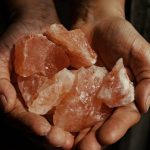
Pakistan is home to an estimated $6 trillion worth of mineral resources, including vast reserves of copper, gold, coal, and rare earth elements. These resources, if properly managed, could transform the country into a major economic power. However, like many resource-rich nations, Pakistan faces challenges in fully utilizing its wealth due to security concerns, geopolitical pressures, and regional instability. The government and armed forces have played a crucial role in maintaining stability, but external interference, insurgencies, and economic disparities continue to pose hurdles.
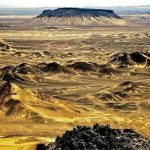
Balochistan, which accounts for nearly 80% of Pakistan’s mineral wealth, is at the center of this challenge. The province holds an estimated 12.3 million tons of copper and 21 million ounces of gold, making the Reko Diq project one of the largest untapped gold and copper mines in the world. Despite its economic potential, Balochistan has long struggled with underdevelopment and security threats. Anti-state elements, including separatist groups like the Balochistan Liberation Army (BLA), have repeatedly targeted mining projects, infrastructure, and security forces. Their objective is to disrupt economic progress and create instability, often with the backing of hostile foreign actors.
To safeguard these strategic assets, Pakistan’s armed forces have taken significant steps. The establishment of the Special Security Division (SSD) under the Pakistan Army ensures the protection of key projects under the China-Pakistan Economic Corridor (CPEC), which includes mining initiatives. Despite these efforts, insurgent groups continue to attack foreign workers, transport networks, and mining sites, attempting to hinder economic progress. However, data suggests that security measures have been effective; between 2018 and 2023, attacks on major infrastructure projects in Balochistan saw a 30% decline, reflecting the success of counterterrorism operations.
Another critical region is Khyber Pakhtunkhwa, which holds rich deposits of marble, limestone, and gemstones. The province has also faced security challenges, particularly in areas bordering Afghanistan. The presence of smuggling networks and illicit mining operations has deprived Pakistan of potential revenue, with some estimates suggesting that illegal mining costs the economy over $500 million annually. The Pakistan Army and Frontier Corps (FC) have conducted multiple operations to curb illegal activities, ensuring that the country’s resources benefit the nation rather than criminal elements.
Beyond internal security concerns, Pakistan’s mineral wealth has also drawn international attention. China’s investment in Pakistan’s mining sector, particularly through CPEC, has led to concerns from global rivals. The United States, India, and other nations are closely monitoring Pakistan’s resource policies, given the strategic importance of minerals such as copper and rare earth elements in defense, technology, and energy industries. Some intelligence reports suggest that external forces have attempted to destabilize Balochistan to undermine economic progress and disrupt Pakistan’s growing partnerships with global investors. The government has consistently highlighted these concerns, emphasizing the need for unity and vigilance against foreign-sponsored unrest.
Despite security challenges, the potential for Pakistan’s mining sector remains vast. Currently, mining contributes only 2.5% to the country’s GDP, whereas in resource-driven economies like Chile and Australia, mining contributes over 8%. If Pakistan enhances investment in mineral exploration, adopts modern mining techniques, and strengthens its regulatory framework, the sector could significantly boost national revenue. The government has already introduced reforms, including agreements with Barrick Gold, to develop the Reko Diq project, which is expected to generate $10 billion in foreign investment and create 8,000 jobs.
A key element of long-term security in mineral-rich regions is ensuring that local communities benefit from resource extraction. The government has taken steps to address grievances by launching development programs, infrastructure projects, and revenue-sharing initiatives to improve living conditions in areas affected by mining operations. Programs like the Balochistan Comprehensive Development Strategy aim to uplift the province’s economy, enhance education, and create employment opportunities. Such efforts are essential in countering separatist narratives and ensuring that Pakistan’s resources contribute to national prosperity rather than conflict.
Pakistan’s government remain committed to securing mineral-rich regions, ensuring that resources serve as a foundation for economic growth rather than a source of instability. With continued investment, strategic security measures, and inclusive development policies, Pakistan can turn its vast mineral wealth into a key driver of national progress. The future of the country’s resource sector depends on a balanced approach—one that prioritizes security, economic growth, and the well-being of its people.Pakistan is home to an estimated $6 trillion worth of mineral resources, including vast reserves of copper, gold, coal, and rare earth elements. These resources, if properly managed, could transform the country into a major economic power. However, like many resource-rich nations, Pakistan faces challenges in fully utilizing its wealth due to security concerns, geopolitical pressures, and regional instability. The government and armed forces have played a crucial role in maintaining stability, but external interference, insurgencies, and economic disparities continue to pose hurdles.
Balochistan, which accounts for nearly 80% of Pakistan’s mineral wealth, is at the center of this challenge. The province holds an estimated 12.3 million tons of copper and 21 million ounces of gold, making the Reko Diq project one of the largest untapped gold and copper mines in the world. Despite its economic potential, Balochistan has long struggled with underdevelopment and security threats. Anti-state elements, including separatist groups like the Balochistan Liberation Army (BLA), have repeatedly targeted mining projects, infrastructure, and security forces. Their objective is to disrupt economic progress and create instability, often with the backing of hostile foreign actors.
To safeguard these strategic assets, Pakistan’s armed forces have taken significant steps. The establishment of the Special Security Division (SSD) under the Pakistan Army ensures the protection of key projects under the China-Pakistan Economic Corridor (CPEC), which includes mining initiatives. Despite these efforts, insurgent groups continue to attack foreign workers, transport networks, and mining sites, attempting to hinder economic progress. However, data suggests that security measures have been effective; between 2018 and 2023, attacks on major infrastructure projects in Balochistan saw a 30% decline, reflecting the success of counterterrorism operations.
Another critical region is Khyber Pakhtunkhwa, which holds rich deposits of marble, limestone, and gemstones. The province has also faced security challenges, particularly in areas bordering Afghanistan. The presence of smuggling networks and illicit mining operations has deprived Pakistan of potential revenue, with some estimates suggesting that illegal mining costs the economy over $500 million annually. The Pakistan Army and Frontier Corps (FC) have conducted multiple operations to curb illegal activities, ensuring that the country’s resources benefit the nation rather than criminal elements.
Beyond internal security concerns, Pakistan’s mineral wealth has also drawn international attention. China’s investment in Pakistan’s mining sector, particularly through CPEC, has led to concerns from global rivals. The United States, India, and other nations are closely monitoring Pakistan’s resource policies, given the strategic importance of minerals such as copper and rare earth elements in defense, technology, and energy industries. Some intelligence reports suggest that external forces have attempted to destabilize Balochistan to undermine economic progress and disrupt Pakistan’s growing partnerships with global investors. The government has consistently highlighted these concerns, emphasizing the need for unity and vigilance against foreign-sponsored unrest.
Despite security challenges, the potential for Pakistan’s mining sector remains vast. Currently, mining contributes only 2.5% to the country’s GDP, whereas in resource-driven economies like Chile and Australia, mining contributes over 8%. If Pakistan enhances investment in mineral exploration, adopts modern mining techniques, and strengthens its regulatory framework, the sector could significantly boost national revenue. The government has already introduced reforms, including agreements with Barrick Gold, to develop the Reko Diq project, which is expected to generate $10 billion in foreign investment and create 8,000 jobs.
A key element of long-term security in mineral-rich regions is ensuring that local communities benefit from resource extraction. The government has taken steps to address grievances by launching development programs, infrastructure projects, and revenue-sharing initiatives to improve living conditions in areas affected by mining operations. Programs like the Balochistan Comprehensive Development Strategy aim to uplift the province’s economy, enhance education, and create employment opportunities. Such efforts are essential in countering separatist narratives and ensuring that Pakistan’s resources contribute to national prosperity rather than conflict.
Pakistan’s government remain committed to securing mineral-rich regions, ensuring that resources serve as a foundation for economic growth rather than a source of instability. With continued investment, strategic security measures, and inclusive development policies, Pakistan can turn its vast mineral wealth into a key driver of national progress. The future of the country’s resource sector depends on a balanced approach—one that prioritizes security, economic growth, and the well-being of its people.
Author