

The Resistance Front: A Digital-Era Threat Demanding Global Vigilance
The recent decision by the United States to designate The Resistance Front (TRF) as a Foreign Terrorist Organization (FTO) is a significant moment in the evolution of modern counterterrorism efforts....

The recent decision by the United States to designate The Resistance Front (TRF) as a Foreign Terrorist Organization (FTO) is a significant moment in the evolution of modern counterterrorism efforts. In an age where violent non-state actors adapt quickly to evade surveillance, shift their branding, and use digital spaces for recruitment and propaganda, this move signals that the international community is beginning to recognize and respond to these changing dynamics. The designation is not only a reflection of U.S. national security priorities, but also part of a broader effort to address how terrorism has taken new forms in the 21st century, ones that often transcend borders, ideology, and traditional organizational structures.
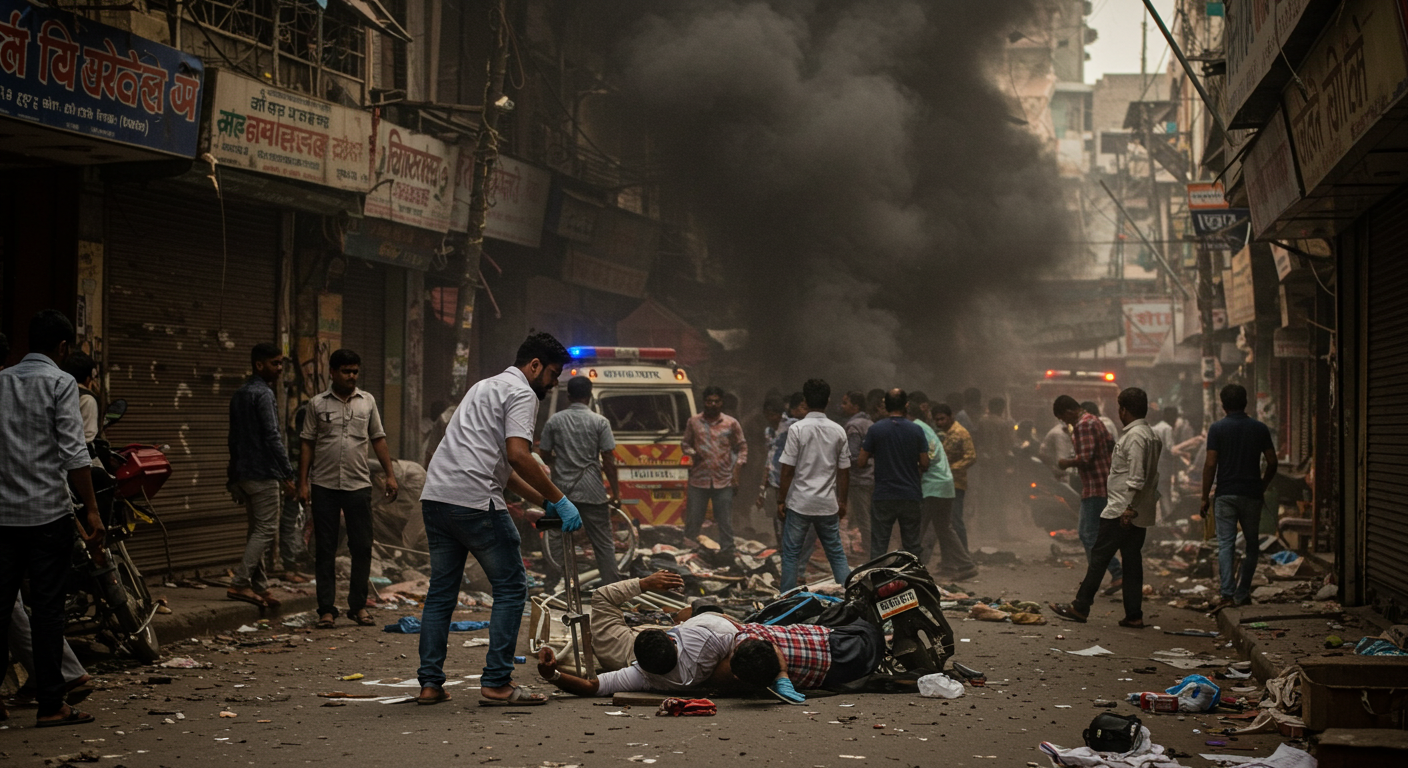
TRF emerged around 2019–2020, identifying itself as a local resistance movement with primary activity centered in Jammu and Kashmir. While the group has presented itself as indigenous, multiple intelligence assessments, including those cited by U.S. and Indian authorities, have argued that TRF functions as a front for previously proscribed organizations. The group’s modus operandi has included claiming responsibility for attacks, issuing threats through encrypted channels, and publishing ideologically driven content online aimed at mobilizing support or inciting violence.
What distinguishes TRF from earlier militant groups is not just its branding, but the way it operates. Rather than functioning through hierarchical, top-down command structures, TRF appears to embrace a decentralized approach. Small, often self-radicalized units operate independently but under a loosely shared ideology. This structure is significantly harder to detect and disrupt using traditional counterterrorism frameworks. Furthermore, the group is known to use end-to-end encrypted platforms, anonymous social media accounts, and sophisticated digital tactics to evade detection, making it a textbook example of the next-generation terror network.
The U.S. designation of TRF as an FTO has practical implications. It legally empowers American agencies to freeze the group’s assets, criminalize any material support to it, and restrict international travel of individuals affiliated with or supporting it. More importantly, such designations have a ripple effect beyond borders. Financial institutions, multinational corporations, and social media platforms across the world often align their policies with U.S. guidelines to maintain access to American markets and systems. As a result, the FTO label acts as both a deterrent and a mechanism for wider containment, signaling that TRF’s actions and digital footprint will be scrutinized and curtailed on a global scale.
While these developments are legal and strategic in nature, they also open the door for deeper diplomatic engagement. Pakistan’s Foreign Minister, Mohammad Ishaq Dar, made it clear during his recent visit to Washington that Islamabad has “no objection” to the U.S. decision, adding that the move falls within the United States’ sovereign rights. He welcomed the sharing of any credible evidence concerning TRF’s activities and further clarified that linking TRF to Lashkar-e-Taiba is a mischaracterization, noting that the latter group had been dismantled within Pakistan years ago, with its members prosecuted and jailed.
Such statements reflect a responsible and cooperative stance in dealing with transnational terrorism. Rather than taking issue with foreign designations, Pakistan’s position acknowledges the need for credible intelligence and underscores the importance of shared global responsibility. In today’s interconnected world, no single country can effectively counter terrorism alone. From information sharing and legal collaboration to technological innovation, the challenge requires mutual trust and practical engagement among nations.
TRF’s emergence also highlights a broader trend: the digitalization of terror. Where once groups needed physical camps and print publications, they now need only a smartphone and internet connection to operate globally. Encrypted communication apps, deepfake technologies, and sophisticated online recruitment tools have transformed the nature of extremism. Therefore, addressing groups like TRF demands not just military or police responses, but also an integrated strategy involving digital regulation, community outreach, and international partnerships.
📄 POLICY WIRE WHITEPAPER PUBLISHED: PAKISTAN'S NATIONAL SECURITY POLICY PRIORITIES
👉 READ BY CLICKING HERESocial media platforms, too, must assume greater responsibility. If these companies can leverage artificial intelligence to optimize user engagement and tailor advertisements, they must also be able to detect and disrupt extremist content. Many platforms already have policies in place to remove material associated with recognized terrorist groups, but enforcement can be inconsistent, and groups like TRF exploit this inconsistency by creating mirror accounts, switching platforms, or altering their messaging.
Going forward, the global counterterrorism community must work toward three key priorities. First, legal frameworks must keep pace with the changing nature of terror groups. Just as new financial instruments and digital currencies have emerged, so too must laws evolve to account for online radicalization and cyber-enabled extremism. Second, technology companies must be proactive, not reactive, in monitoring how their tools are used. Collaboration with governments, especially in providing metadata or access under lawful channels, can be crucial in preventing attacks. Third, and perhaps most importantly, diplomacy must take precedence over confrontation. Where disagreements exist, they should be addressed through dialogue and mutual verification of facts. Foreign Minister Dar’s openness to discussing TRF and inviting evidence is an encouraging example of how states can engage constructively, even when operating under different threat perceptions or strategic interests.
The Resistance Front represents a serious and evolving threat in the landscape of modern extremism. Its tactics are emblematic of how terrorist organizations have restructured themselves for the digital age, less centralized, more covert, and increasingly reliant on technological platforms. The U.S. designation is a step toward recognizing this evolution. It now falls upon the international community—governments, tech companies, and civil society, to work together in preventing such entities from spreading violence, whether online or offline. Pakistan’s cooperative tone provides a valuable opportunity for regional and international actors to find common ground in what remains a shared global struggle.
Author