


The Brutal Arithmetic of Glory: How Chennai’s IPL Dynasty Faltered Amidst a Reckless Charge
POLICY WIRE — New Delhi, India — Chennai, a city often synonymous with cricketing royalty, felt a tremor in its foundations this week. Not from geological activity, mind you, but from the blunt force...

POLICY WIRE — New Delhi, India — Chennai, a city often synonymous with cricketing royalty, felt a tremor in its foundations this week. Not from geological activity, mind you, but from the blunt force trauma of another Indian Premier League season unraveling. While Sunrisers Hyderabad clinched a playoff berth with an aggressive win, it wasn’t their ascension that truly captured the imagination. No, the real story, the one that makes headlines beyond the boundary rope, was the seemingly inexorable slide of the Chennai Super Kings. A dynasty, once iron-clad, now looks disturbingly fragile.
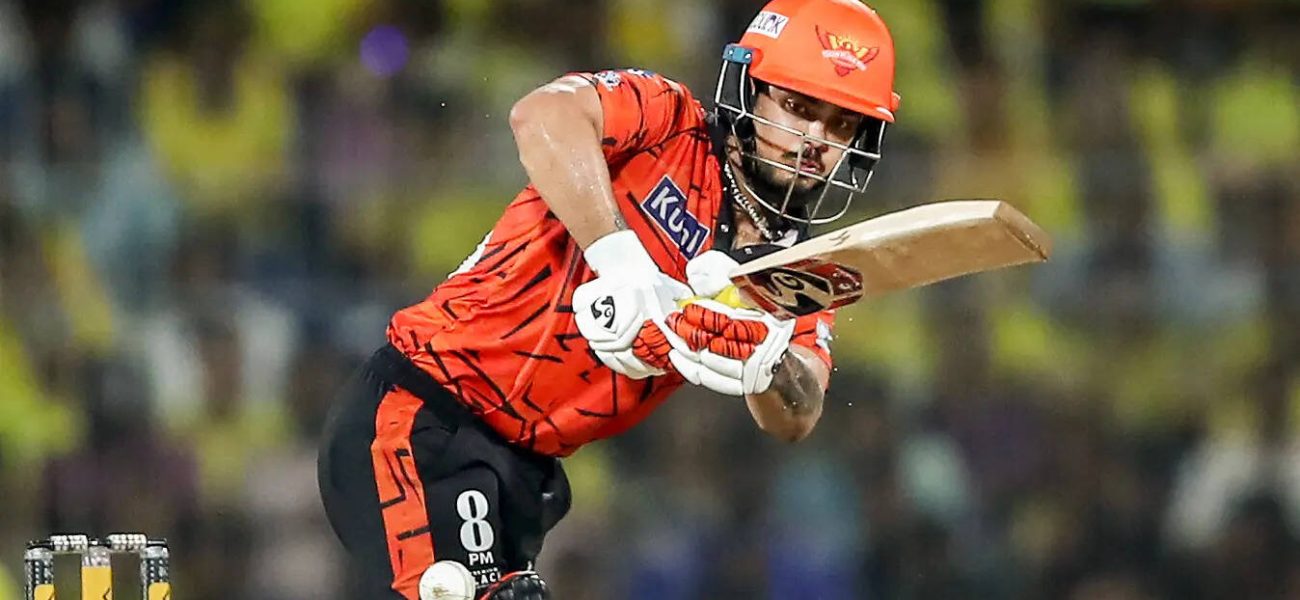
It was a match that had the familiar rhythm of IPL dramatics: chasing 181, SRH’s charge was spearheaded by Ishan Kishan, who blasted a commanding 70 runs off a mere 47 balls. Seven sixes, three fours—it was less a measured innings and more an unbridled assault. Heinrich Klaasen wasn’t far behind, adding 47 crucial runs as Hyderabad chased down the target in just 19 overs. And just like that, they became the third outfit, after Royal Challengers Bengaluru and Gujarat Titans, to secure a spot in the elimination rounds. They’re sitting pretty at third now, 16 points from 13 matches, net run rate respectable enough at +0.350. But that’s the scoreline; the larger narrative, folks, runs deeper.
Chennai, you see, posted a respectable 180/7, fueled by contributions from Dewald Brevis — and Kartik Sharma. Decent enough, right? Wrong. In the high-stakes gamble of twenty-over cricket, ‘decent enough’ is often just a preamble to ‘not quite.’ Pat Cummins, SRH’s skipper, seemed to grasp this reality, picking up 3/28—a captain’s knock, but with the ball. His leadership, plain — and simple, carved the path to victory.
The Super Kings now languish at sixth. Twelve points from 13 games. Their Net Run Rate (NRR) dipped to -0.016, a whisper below zero, yet a statistical millstone. For a franchise accustomed to effortless supremacy, this is an indignity. Because in this format, it’s never just about winning; it’s about winning convincingly enough to maintain a margin, a safety net. And theirs, it seems, has frayed.
“We weren’t just playing cricket out there; we were building momentum, proving every doubter wrong,” stated Cyrus Khan, a Sunrisers Hyderabad team executive, the morning after their triumphant playoff qualification. “The team’s resolve? Unbreakable, plain and simple. We earned this.” His sentiment echoes the palpable relief within the SRH camp. On the other side of the ledger, a more somber perspective emerged. “Look, this league, it doesn’t wait for legacies. It devours them if you don’t keep pace,” conceded K. Saravanan, a senior official within the Chennai Super Kings management. “We know what’s at stake; the loyalists, they deserve better, and we’re damn well going to fight for it.” You could practically hear the grit in his imagined tone.
The entire spectacle—this annual carnival of bat and ball—remains an economic behemoth. Latest figures from the Brand Finance Institute suggest the IPL’s brand value alone topped $10.7 billion in 2023, a stark testament to its grip on both the Indian imagination and global investment. This isn’t just sport; it’s cultural currency. It’s a barometer of aspiration.
What This Means
The IPL’s fluctuating fortunes, while seemingly confined to sports pages, carry disproportionate weight across South Asia and into the broader Muslim world. The league’s success—or failure, in the case of storied franchises—resonates deeply within a region where cricket is more than a game; it’s a social unifier, an economic engine, and a source of profound national and regional pride. The rise of a team like Sunrisers Hyderabad, a relative underdog by ‘dynasty’ standards, challenges established power structures within Indian cricket. It offers a blueprint for emerging franchises, fostering competition not just on the field, but for sponsorship dollars, media rights, and most importantly, fan loyalty.
For nations like Pakistan and Bangladesh, grappling with their own domestic leagues and often envious of the IPL’s staggering commercial triumph, Chennai’s decline serves as a cautionary tale: complacency, even for the most beloved of teams, breeds vulnerability. The immense viewership for IPL, extending across the Middle East and among diaspora communities, signifies more than just sports fandom; it’s a shared cultural touchstone, generating soft power for India while influencing cricketing economics and player development paradigms throughout the Muslim world. The implications of who rises — and who falls in the IPL, therefore, spill far beyond Mumbai or Chennai. It’s a bellwether, a loud, sometimes brash, signal for the entire cricketing firmament.