


UK Farmers Eye New Crops Amid Rising Temperatures and Climate Shifts
POLICY WIRE — London, UK — Recent climate changes, marked by increased heatwaves and altered weather patterns, have prompted UK farmers to consider growing a variety of fruits and vegetables that...

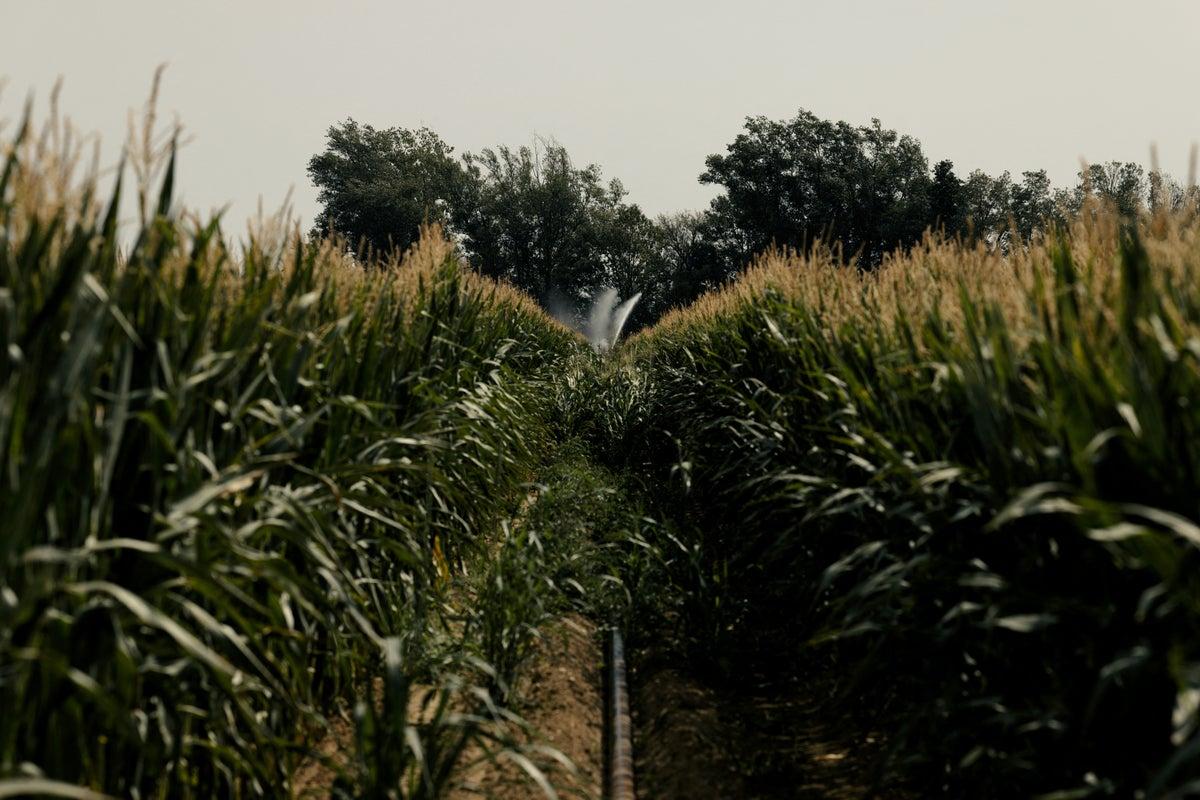
POLICY WIRE — London, UK — Recent climate changes, marked by increased heatwaves and altered weather patterns, have prompted UK farmers to consider growing a variety of fruits and vegetables that were previously deemed unsuitable for the British climate.
According to agricultural experts, the rising temperatures have opened up possibilities for crops that require warmer conditions. “Heatwaves could allow farmers to consider new crops that previously ‘we could never imagine’ growing in the UK,” noted a representative from the National Farmers’ Union (NFU).
The NFU has reported an increase in interest among farmers for crops such as grapes, olives, and various Mediterranean fruits and vegetables. This shift is part of a broader strategy to adapt to changing climatic conditions and ensure the sustainability of farming practices in the UK.
Dr. Emily Carter, a climate scientist at the University of Exeter, explained, “As the UK experiences more frequent and severe heatwaves, the growing season is extending. This provides an opportunity for farmers to experiment with crops that thrive in warmer climates.” She added that these changes are not only driven by temperature but also by shifts in rainfall patterns and soil conditions.
The move towards diversifying crops is also supported by government initiatives aimed at promoting sustainable agriculture. The Department for Environment, Food & Rural Affairs (DEFRA) has launched programs to help farmers transition to new crop types and implement climate-resilient farming practices.
However, the transition is not without challenges. Farmers must navigate new cultivation techniques, pest management strategies, — and market demands. the long-term impacts of climate change on soil health — and water availability remain uncertain.
Despite these challenges, the potential benefits of crop diversification are significant. Not only could it enhance food security and economic resilience for farmers, but it could also contribute to the UK’s goal of achieving net-zero carbon emissions by 2050.
Reporting by Policy-Wire (PW)