The Failure of Street Agitation and Political Division in Pakistan’s Time of Crisis
Pakistan’s dealing with serious security threats and a shaky economy. Right now, stability really matters. Lately, the Pakistan Tehreek-e-Insaf tried to rally people for mass protests, but honestly,...

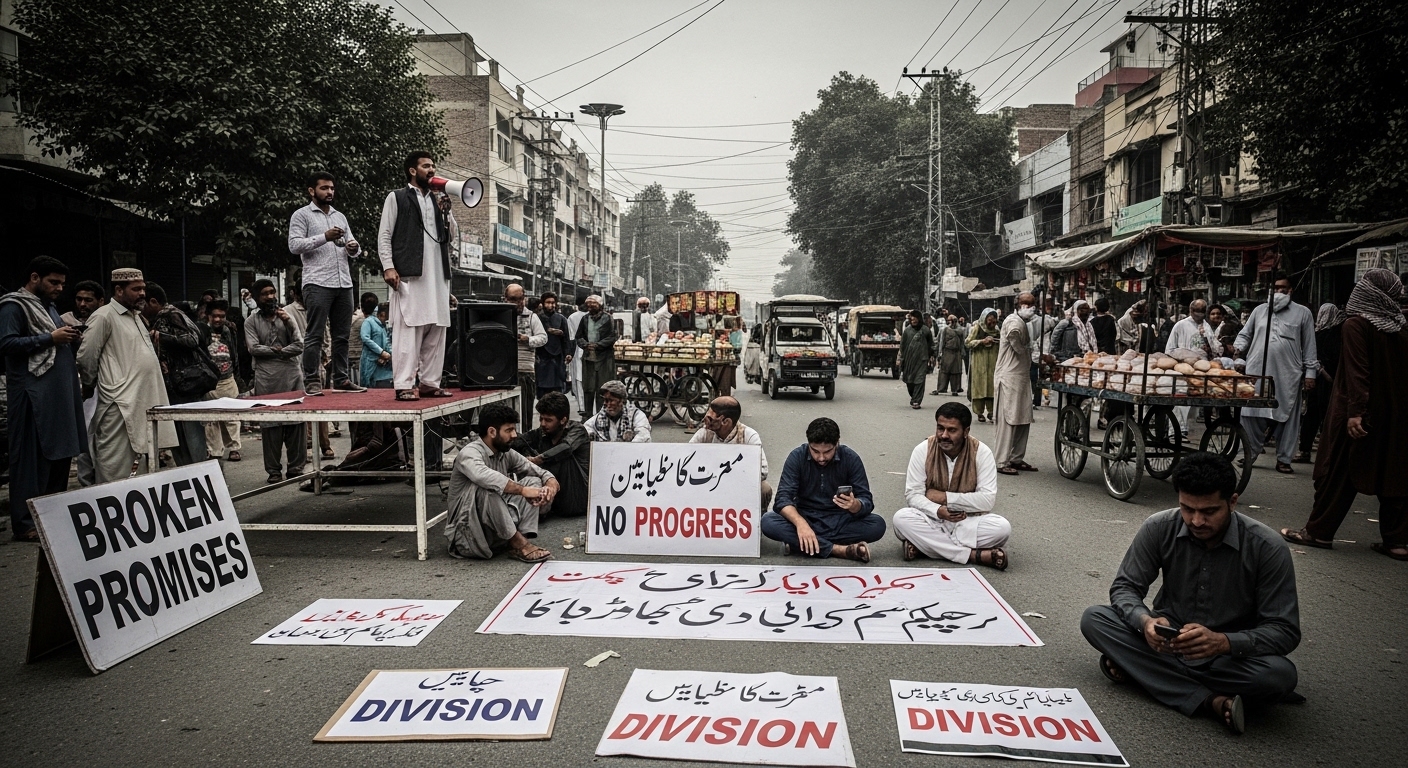
Pakistan’s dealing with serious security threats and a shaky economy. Right now, stability really matters. Lately, the Pakistan Tehreek-e-Insaf tried to rally people for mass protests, but honestly, it just didn’t take off. Most people didn’t join in, and daily life kept moving. That outcome isn’t random; it’s got a lot to do with politics, the economy, and social factors though politics is at the heart of it. The government and state institutions are sticking to the constitution and focusing on public safety.
Security forces are already busy taking on terrorist groups. So when someone calls for protests in this kind of environment, it feels out of place almost like adding fuel to the fire. The government keeps pushing for dialogue, but only through parliament and official channels. PTI wouldn’t go along with that, which led to a deadlock. People saw that as stubbornness. For their part, the authorities have a job to do: keep order. Their reaction to protest calls never stayed within the law and generated more crackdowns.
Economic conditions influence public behavior. Citizens are concerned about inflation and employment. Daily wage earners cannot afford strikes that halt commerce. Market activity continued normally during protest calls. This demonstrated a public preference for economic activity over political demonstrations. The business community expressed strong support for stability. They cited losses from past unrest. This economic reality limits the appeal of protest politics.
Social factors matter just as much. People are tired of endless conflict, that’s obvious. Even with all the pressure, Pakistanis tend to stick together. They want to feel united, especially when facing problems from inside or outside the country. PTI missed the mark here. They kept talking about their own issues and didn’t really speak to what most people care about. Because of that, their message just didn’t land everywhere. The protests only caught on in a few places, and you could tell most of the country just wasn’t interested.
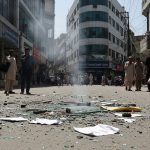
Security concerns dominate public thinking. Pakistan faced a wave of terrorist attacks in recent months. Security forces lost personnel. Civilians died in mosques, markets and border districts. These incidents reinforced a clear reality. The threat environment remains active. Citizens understand large, leaderless street gatherings increase vulnerability. Such gatherings strain law enforcement and divert resources from counterterror operations. This reality shapes public behavior. Many people avoid protests during security alerts. PTI ignored this context. Its leadership pushed agitation while the country confronted real threats. This decision appeared detached from ground realities.
The state’s response followed constitutional duty. Protection of life ranks above political spectacle. Security agencies assessed risks and acted to prevent disorder. Restrictions focused on crowd control, not political suppression. Public reaction reflected approval. Markets stayed open. Transport continued. Daily life moved on. This reaction showed trust in state judgement and fatigue with protest politics. PTI failed to read this shift.
Experts now stress a return to institutional politics. Parliament exists for contestation and negotiation. Laws pass there. Amendments face debate there. Accountability works through committees and courts. PTI chose confrontation over participation. This choice weakened its credibility. Analysts note that sustained absence from parliamentary processes isolates a party and shrinks influence. Politics outside institutions rarely delivers durable outcomes.
📄 POLICY WIRE WHITEPAPER PUBLISHED: PAKISTAN'S NATIONAL SECURITY POLICY PRIORITIES
👉 READ BY CLICKING HERELegal frameworks for protest already exist. The constitution protects peaceful assembly under defined limits. Permits, routes and timings exist for a reason. They reduce risk and prevent violence. PTI repeatedly bypassed these requirements. This pattern created clashes with law enforcement. Responsibility for disruption followed from those choices. Order depends on rules. Public opinion favors rule based dissent over chaos.
Economic stress adds another layer. Inflation, debt servicing and employment dominate public concern. Protest cycles disrupt commerce and daily wages. Many citizens associate PTI protests with economic loss. Experts argue economic consensus is urgent. Political parties need agreement on fiscal discipline, tax reform and export growth. The current government signaled readiness for dialogue on these issues. PTI declined engagement and focused on street pressure. This approach alienated business groups and urban workers.
National security requires unity. Counterterror operations demand coordination among civilian and military institutions. Political noise undermines morale and focus. PTI rhetoric often blurred lines between politics and security institutions. This conduct deepened divisions at a sensitive time. Public sentiment rejected this posture. Surveys and turnout patterns show preference for stability over confrontation.
The failed protest call reflects this reality. Influence flows from governance, legislation and service delivery. Street mobilization without public backing collapses. The current phase signals a shift in political culture. Voters expect seriousness, restraint and institutional respect. Pakistan’s path forward rests on constitutional politics, economic recovery and security cohesion. The public response made this choice clear.
Author