


The Heavy Price Tag of Neglect: When the Paralympic Dream Shatters
POLICY WIRE — Geneva, Switzerland — They paint the Paralympics as a beacon of human triumph, don’t they? A stage where grit outshines physical limitations. It’s an inspiring story, sure,...

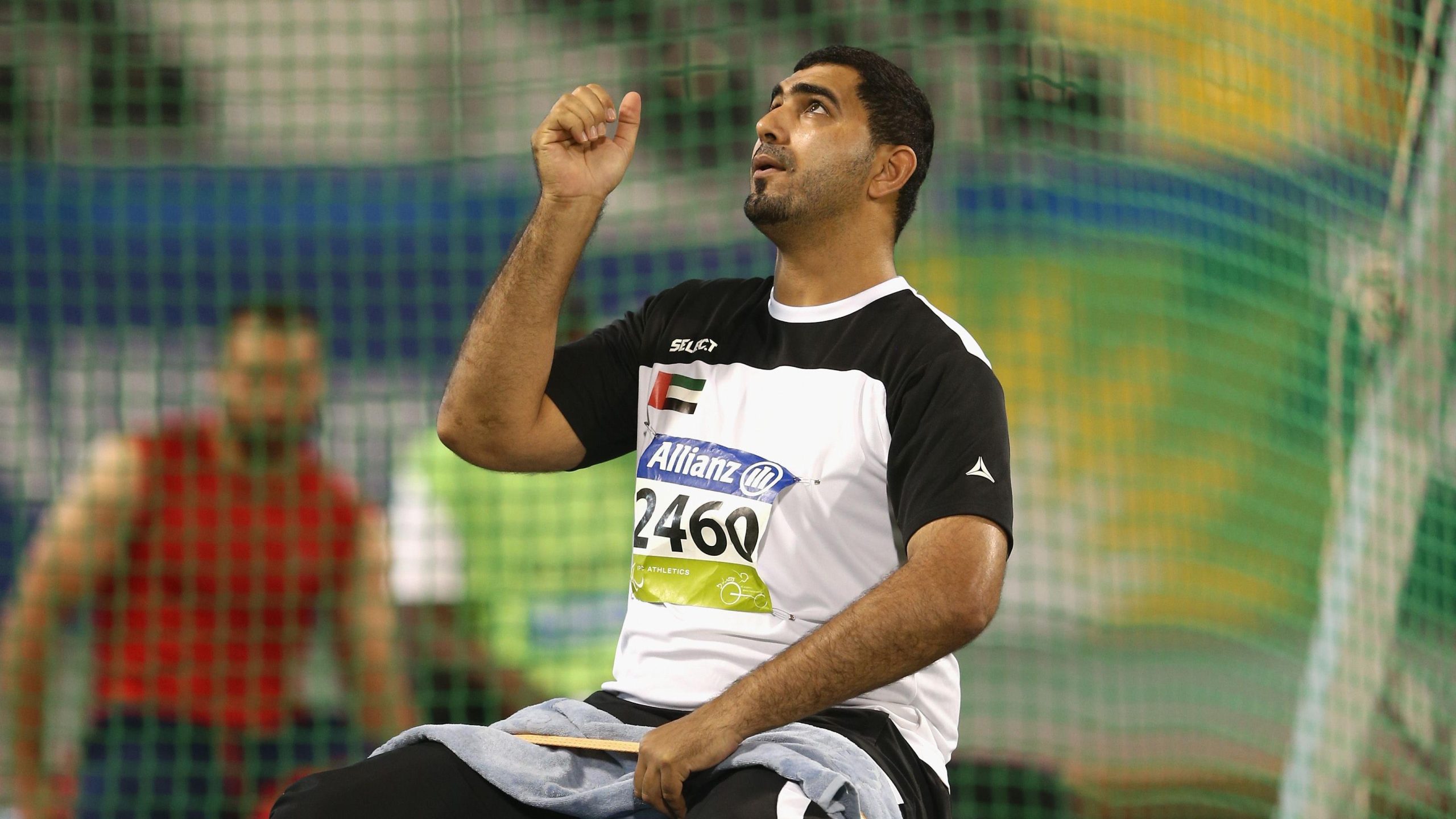
POLICY WIRE — Geneva, Switzerland — They paint the Paralympics as a beacon of human triumph, don’t they? A stage where grit outshines physical limitations. It’s an inspiring story, sure, until the infrastructure—the very scaffolding holding up that dream—starts to crumble, exposing a much uglier reality. The untimely demise of a prominent shot putter, tragically labeled an "accident waiting to happen," has torn a ragged hole through that carefully constructed narrative. And suddenly, we’re not talking about overcoming adversity anymore; we’re talking about sheer, unadulterated neglect.
It’s not just a single, tragic event. It’s a systemic rot that whispers beneath the surface of organized sports, particularly where resources are thin and oversight often feels like a phantom limb. The official inquiry’s preliminary findings—sparse as they’re, frustratingly opaque—point to longstanding issues with venue maintenance, equipment protocols, and, crucially, emergency response capabilities. An anonymous official from a lesser-known federation put it plainly to us: "Everyone knew that practice area wasn’t up to snuff. They just kept kicking the can down the road, hoping nothing would actually, you know, break."
This isn’t some rogue operator cutting corners. This is an indictment of a global sporting machine that’s more concerned with image and sponsorships than with the flesh-and-blood athletes it purports to serve. Especially when those athletes happen to compete in disciplines that don’t generate mega-millions in TV rights. It’s a sad, predictable echo of what we’ve seen elsewhere. The human cost? That’s always collateral damage, isn’t it?
Arthur Pendelton, the seemingly unflappable Head of the International Paralympic Committee (IPC) Integrity Unit, issued a statement—rather swiftly, for him—promising a "full and uncompromising investigation." He went on, in that polished officialese they perfect, "We owe it to our athletes to ensure the safest possible environment. We will leave no stone unturned in addressing these deep-seated concerns and restoring confidence in our protective mechanisms." One wonders if confidence can truly be "restored" once it’s been shattered by a fatality that was, by all accounts, eminently avoidable. But hey, it’s a good line.
Because the inconvenient truth is, this sort of thing is happening far too often, in too many places. Think about developing nations—regions where access to even basic, accessible sporting infrastructure is a pipe dream. Places like Pakistan, where para-athletes routinely train on makeshift tracks and with repurposed equipment, just praying their bodies—and their spirits—don’t break. For them, an "accident waiting to happen" isn’t a shocking revelation; it’s just Tuesday. Their grit often hides a terrifying vulnerability, an utter lack of safeguards most Western athletes take for granted. A nation’s sporting dream cracking on crutches isn’t an isolated incident; it’s a systemic failure. It reflects a stark global imbalance where safety standards often fluctuate with national GDP.
Eleanor Vance, a seasoned sports ethics consultant who’s probably seen more dodgy deals than an accountant at FIFA, didn’t pull her punches. "This incident strips away the veneer. It tells athletes, in no uncertain terms, that their lives are, regrettably, a calculated risk. And it’s a risk someone else is calculating, based on profit margins or political expediency, not their well-being," she told Policy Wire. "They preach inclusion — and accessibility, but they won’t even invest in a stable, padded landing zone. It’s hypocrisy, pure and simple."
Consider the numbers, too, because they tell their own story. A 2022 UN report noted that less than 0.5% of global sports infrastructure development budgets are specifically allocated to accessibility and safety modifications for para-athletes in developing nations. That’s right: half a percent. That’s not just underfunding; it’s a quiet dismissal. It’s not just neglect; it’s an institutionalized shrug, plain — and simple.
What This Means
This incident is more than a tragic headline; it’s a political flashpoint. It forces governing bodies—and the governments that often fund them—to confront the uncomfortable disconnect between their lofty rhetoric about inclusivity and the gritty reality on the ground. Economically, this puts a spotlight on allocation—or misallocation—of sports funding. Big-ticket, glamorous events get the cash, leaving foundational safety infrastructure in the dust. You see the public relations hit. That’s real money, that’s real brand value taking a dip, especially if corporate sponsors start asking inconvenient questions about liability and ethical governance. This also reopens the debate on athlete welfare as a whole, not just for elite professionals but for every person pursuing sports, regardless of ability. If they can’t even guarantee a basic level of safety at a sanctioned international event, what message does that send to grassroots programs in vulnerable communities? It forces a painful question: How many lives are we willing to gamble for a medal, or for the illusion of progress?