


The Digital Mirage: How Google’s Sponsored Results Fleece Unwary Navigators
WASHINGTON D.C., USA — The digital landscape, for all its promised efficiency, frequently resembles an opaque bazaar, especially when navigating essential government services. Consider the unwitting...

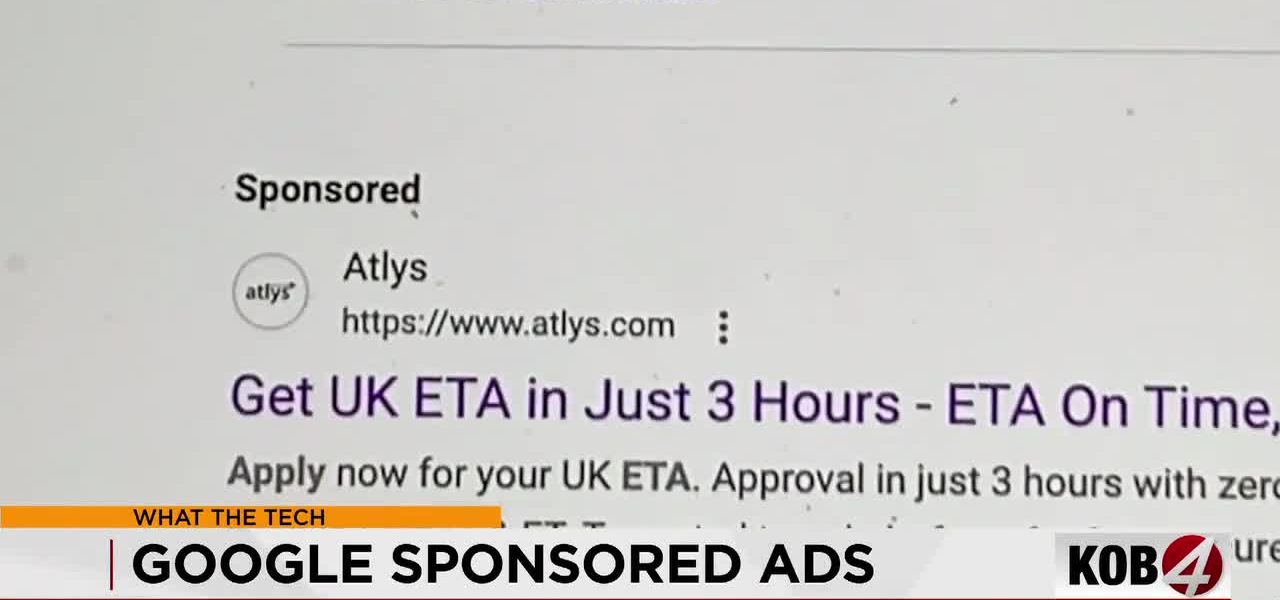
WASHINGTON D.C., USA — The digital landscape, for all its promised efficiency, frequently resembles an opaque bazaar, especially when navigating essential government services. Consider the unwitting traveler, perhaps an elderly immigrant or a budget-conscious student, needing a travel authorization for London. They punch their query into the world’s most dominant search engine, Google, expecting clarity. What they often get instead is a meticulously crafted digital mirage: a sponsored advertisement, deceptively official in its aesthetics, offering a service that the UK government provides for about £10, but at an exorbitant price exceeding £100. It’s not an outright scam, per se—these entities often perform the basic service—but it’s an unnecessary, predatory toll levied on the digitally unsavvy.
This isn’t a glitch; it’s a feature of the modern internet economy. Google, a behemoth whose global ad revenue reached nearly $225 billion in 2022, according to Statista, thrives on this paid visibility. Its search results, the ultimate arbiter of online access, are increasingly a battleground where deep-pocketed intermediaries vie for the coveted top slots. The subtle ‘Sponsored’ label, often a muted grey against a white background, is easily overlooked by users conditioned to trust the first link, particularly those hurrying or less familiar with the internet’s nuanced deceptive tactics. And when official sites are relegated to the third or fourth scroll, the probability of consumer misdirection skyrockets.
Behind the headlines of tech innovation — and convenience, a darker economic reality unfolds. Consumers globally are unknowingly paying premiums for services that are either free, significantly cheaper, or easily accessible directly. It’s a testament to the colossal power these platforms wield—a power that dictates not just what information we find, but how much we pay for the simple act of finding it. “These platforms, with their immense reach, bear a profound responsibility to protect users, not simply to monetize every pixel,” asserted Maria Rodriguez, director of the Digital Rights Foundation, her voice tinged with a familiar weariness.
Still, the industry often points to user vigilance. “We’re constantly refining our algorithms — and labeling to ensure transparency,” conceded Dr. Julian Vance, a cybersecurity policy expert at the European Centre for Digital Governance. “But the onus ultimately rests with users to exercise due diligence—a challenge in an ever-more complex online environment.” That complexity, critics counter, is precisely what these platforms cultivate, making it profitable.
The ramifications extend far beyond Western consumers. In regions like Pakistan and the broader Muslim world, where digital literacy might vary dramatically and economic margins are often tighter, this practice can be particularly devastating. Consider the millions seeking visas for work, education, or religious pilgrimages like Hajj — and Umrah. They frequently turn to search engines for official guidance. An inflated £100 fee for an unnecessary intermediary service could represent a significant portion of a family’s monthly income—a cost they simply shouldn’t bear. The digital divide isn’t just about access; it’s about the ability to discern legitimate pathways from lucrative detours. It’s about systemic vulnerability, exploited at scale.
📄 POLICY WIRE WHITEPAPER PUBLISHED: PAKISTAN'S NATIONAL SECURITY POLICY PRIORITIES
👉 READ BY CLICKING HEREAt its core, this isn’t merely about inconvenient clicks; it’s about trust erosion in public services and the insidious commodification of information access. It’s about how the promise of a free — and open internet often translates into a toll road for the uninformed. Don’t get it twisted: these aren’t isolated incidents; they’re symptomatic of a broader regulatory lacuna where market dominance trumps consumer protection.
What This Means
The prevalence of misleading sponsored links signifies several critical shifts in the digital economy — and governance. Economically, it represents a stealth tax on consumers, disproportionately impacting those least able to afford it. It’s a vast, unregulated gray market thriving in plain sight, siphoning billions from pockets globally. Politically, it spotlights the urgent need for robust digital consumer protection laws—legislation that mandates clearer disclosure, penalizes deceptive advertising, and holds platform providers accountable for the content they promote. The current regulatory patchwork, often reactive and jurisdictionally limited, proves inadequate against the global reach of these digital enterprises.
it underscores a growing crisis of digital literacy. Governments and educational institutions must prioritize equipping citizens with the critical thinking skills necessary to navigate a deliberately convoluted online sphere. Without such efforts, the gap between the digitally empowered and the digitally exploited will only widen, exacerbating existing socio-economic inequalities. For policymakers, the challenge isn’t just to rein in tech giants but to redefine the fundamental contract between platforms and their users—one that prioritizes genuine utility and transparent engagement over algorithmic profitability. The calls for greater regulatory oversight of powerful digital entities are growing louder, echoing concerns seen in other sectors where market power is concentrated. Ultimately, the question isn’t whether users *should* be more careful, but whether the digital environment itself *should* be designed to capitalize on human fallibility.