


The Brutal Economics of Prodigy: Madrid’s Mastantuono and the Global Talent Crucible
POLICY WIRE — Madrid, Spain — The audacious gamble of an 18-year-old midfielder, plucked from South America’s fertile grounds and thrust onto European football’s grandest stage,...

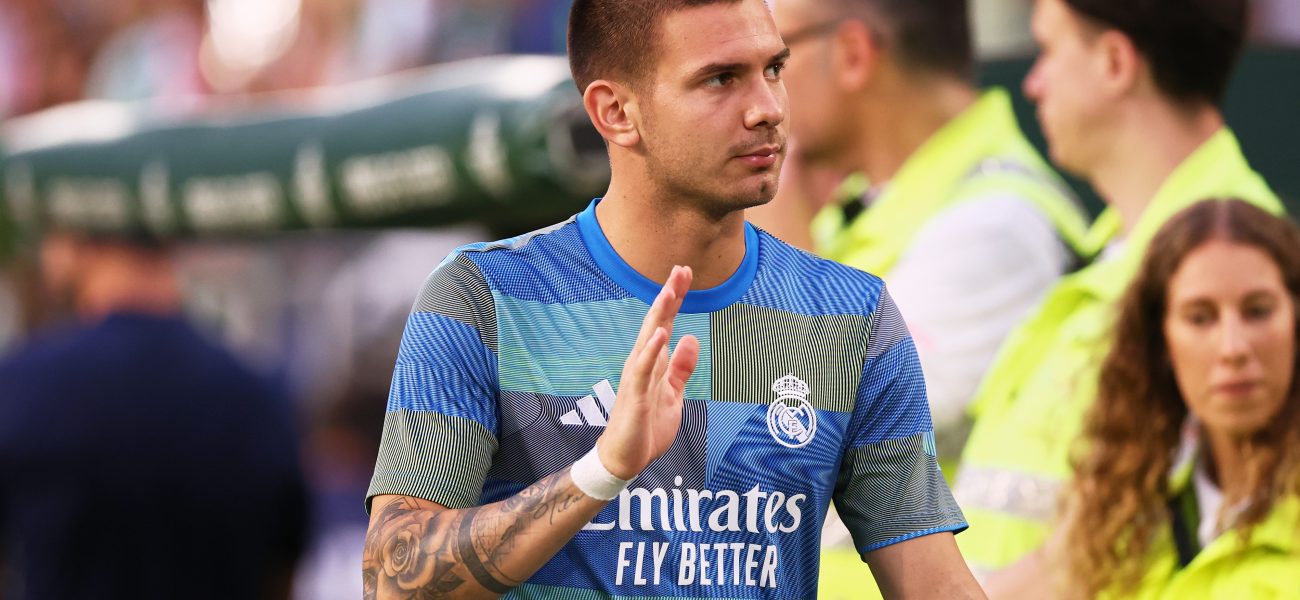
POLICY WIRE — Madrid, Spain — The audacious gamble of an 18-year-old midfielder, plucked from South America’s fertile grounds and thrust onto European football’s grandest stage, frequently feels less like a dream realized and more like a high-stakes commodities trade. Franco Mastantuono, the Argentine wunderkind, currently embodies this delicate, often brutal, transaction at Real Madrid. His nascent career with the venerable Los Blancos, it turns out, isn’t just about dazzling footwork or tactical acumen; it’s a stark lesson in the unforgiving economics of elite sport.
Javier Pastore, himself an Argentine who once graced Europe’s top leagues, offered a rare glimpse into the psychological maelstrom engulfing such raw talent. “He’s an 18-year-old kid; man, I wish I’d made it to Madrid at that age,” Pastore mused to reporters, a wistful note in his voice. “He’s a really talented young guy, — and we gotta give him time. He’s gotta get used to things, and the team also needs to help him out so he can play his game.” It wasn’t just a defense of Mastantuono, but a pointed observation: the onus of adaptation isn’t solely on the shoulders of a teenager still navigating adulthood.
At its core, Pastore’s commentary wasn’t merely about individual technique. He distinguished Mastantuono from the solo virtuosos — the Vinicius Juniors, the Kylian Mbappés — who can, almost single-handedly, conjure moments of magic. Mastantuono, he posited, thrives in concert, a connector, a weaver of intricate patterns. “He’s not one of those players who can just make a difference all by himself,” Pastore underscored, advocating for a collective embrace. This isn’t just about player profile; it’s a fundamental challenge to Real Madrid’s accustomed approach, one often geared towards accommodating singular, game-breaking talents.
Still, the bright lights of the Santiago Bernabéu demand an almost supernatural maturity. The club, a perpetual constellation of Galácticos, isn’t known for its boundless patience. Every touch, every pass, every perceived misstep is amplified by a voracious media — and a demanding fanbase. For an athlete barely out of adolescence, this pressure cooker environment can either forge diamonds or crush ambitions.
“We invested in Franco because we saw a generational talent, not just a fleeting spark,” stated Roberto Martínez, a senior scout within Real Madrid’s formidable youth development apparatus, speaking off the record but with palpable conviction. “Of course, there’ll be bumps. It’s a marathon, not a sprint, and we’re committed to his long-term growth — even if that means an interim period elsewhere.” Martínez’s words reflect a pragmatic acknowledgment of the chasm between raw potential and polished performance at the absolute pinnacle of the sport.
The murmurs of a potential loan deal aren’t whispers of failure; they’re a strategic calibration. Madrid, it seems, acknowledges the need for Mastantuono to season away from the immediate glare, to develop his ‘link-up’ game in a less intense laboratory. This calculated temporary exodus is a common playbook for Europe’s elite, a way to protect vast investments while allowing players to ripen. It’s a delicate dance, balancing asset protection with human development.
“Franco carries the hopes of a nation, doesn’t he? Every young Argentine dreams of that white shirt, but the journey demands more than just skill; it demands resilience,” opined Claudio Tapia, President of the Argentine Football Association (AFA), in a recent interview. “We watch these talents with immense pride, — and a keen eye on their development. It’s crucial they’re nurtured, not just thrown to the wolves.” Tapia’s perspective speaks to the broader national interest, where the success of a few prodigies can fuel a generation of aspiring footballers and bolster the national team’s future.
📄 POLICY WIRE WHITEPAPER PUBLISHED: PAKISTAN'S NATIONAL SECURITY POLICY PRIORITIES
👉 READ BY CLICKING HEREThe global youth transfer market, a swirling vortex of scouts, agents, — and unimaginable sums, underscores the stakes. According to a 2023 FIFA report, international transfers involving players under the age of 18 have accounted for over $1.5 billion in fees over the last decade, a staggering figure illustrating the speculative capital poured into unproven talent. But the success rate is far from guaranteed; many are called, few are chosen to truly ascend to the elite echelon.
Behind the headlines of record transfer fees and dazzling debuts lies a less glamorous, but equally consequential, aspect of modern football: the relentless global scouting network. While Mastantuono hails from Argentina—a traditional hotbed of talent—the principles of his recruitment reverberate across continents. Think of the nascent academies springing up in places like Pakistan, where passionate young players, despite facing infrastructural hurdles and cultural expectations that sometimes pivot away from professional sports, still dream of emulating their heroes. The global aspirations are universal, even if the pathways remain acutely uneven. Policy Wire previously explored the stark realities of ambition versus infrastructure in Sri Lanka’s ’emptiest airport’, a tale of grand visions meeting harsh economic truths—a parallel, perhaps, to the individual journeys of these young footballers.
What This Means
The Mastantuono narrative isn’t just sports page fodder; it’s a microcosm of the vast, intricate global football economy. Economically, young players are treated as high-risk, high-reward assets. Clubs like Real Madrid, with annual revenues soaring into the hundreds of millions, view these acquisitions as investments in future revenue streams—be it through on-field success, merchandising, or subsequent lucrative transfer fees. The loan system, therefore, isn’t charity; it’s sophisticated asset management, aimed at maximizing a player’s future market value by mitigating immediate performance pressures. It’s akin to a venture capital firm nurturing a promising startup in an incubator.
Politically, the story touches on themes of national identity — and soft power. Argentina’s fervent pride in its footballing exports, for instance, translates into a significant cultural impact. The success of players like Lionel Messi or, potentially, Mastantuono, bolsters national morale and projects a powerful image of Argentine prowess globally. For nations outside traditional footballing strongholds, developing a talent pipeline that can feed into these European behemoths remains a distant, yet tantalizing, policy goal. It’s about establishing global relevance, albeit through the unpredictable lens of athletic achievement. The relentless pursuit of global talent also raises questions about labor mobility for minors and the ethical complexities inherent in transplanting teenagers across continents, often away from family and familiar cultural moorings—a human cost often overshadowed by the gleaming trophies and colossal contracts. This ongoing churn of talent, whether it’s an Argentine prodigy or a rising star fighting for a contract amid Old Trafford’s calculated gambles, defines the cutting edge of global sports commerce.