
Berlin’s Cold War Gambit: Far-Right Flirts with Moscow as Europe Fractures
POLICY WIRE — Munich, Germany — You know a political landscape’s gone sideways when an economic summit — ostensibly about future prospects and global cooperation — becomes a stage for one of...

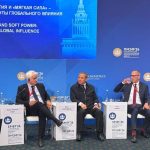
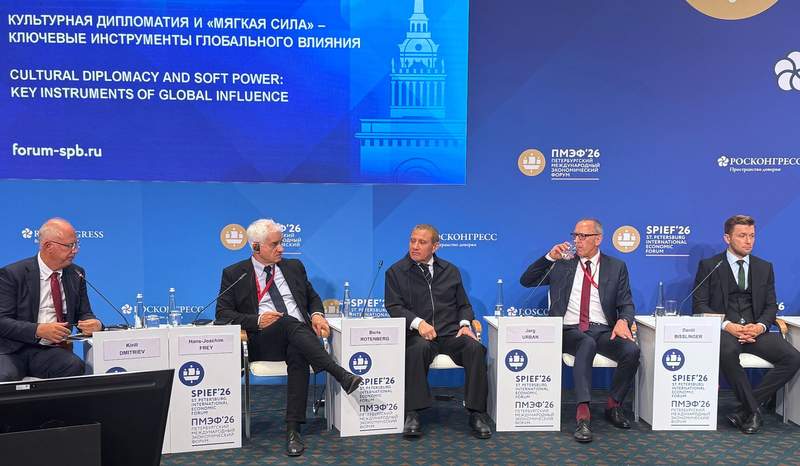
POLICY WIRE — Munich, Germany — You know a political landscape’s gone sideways when an economic summit — ostensibly about future prospects and global cooperation — becomes a stage for one of Europe’s largest economies to openly question foundational foreign policy decisions. Forget polite diplomacy; Germany’s Alternative for Germany (AfD) party isn’t just questioning; they’re pushing hard, elbowing their way towards Moscow again, despite the whole messy Ukraine thing.
It’s a peculiar brand of realpolitik, isn’t it? A party that’s frequently chastised for its nationalist leanings now championing renewed engagement with a power many European capitals — and certainly Washington — view as an adversary. And they’re doing it on the world stage, during an economic forum, no less. It wasn’t some hushed backroom conversation; this was a clear signal, loud and proud, that some powerful German voices believe the road back to economic prosperity runs straight through the Kremlin, consequences be damned.
These AfD lawmakers, you see, they’ve got this vision. It’s a vision that predates the full-scale invasion, a longing for cheap Russian energy — and normalized trade. And they’re not shy about expressing it. You don’t often get to see political ideology and economic self-interest so nakedly intertwined, especially when it involves essentially overturning years of meticulously built diplomatic consensus. It’s a slap in the face to partners, to say the least. But then, diplomacy has never really been the AfD’s strong suit.
The party’s calculated move to openly advocate for the lifting of sanctions and a general re-engagement with Russia speaks volumes about the growing fragmentation within Europe. It’s not just a fringe sentiment anymore; it’s coming from a party with significant electoral support. And their message is clear: the current trajectory, with its economic strain and diminished Russian ties, isn’t working for Germany, or at least not for their base. They believe [QUOTE_PLACEHOLDER] by rebuilding those bridges, Germany could reclaim a certain lost economic advantage. But at what geopolitical cost?
This push isn’t happening in a vacuum. It mirrors a broader geopolitical reorientation across parts of the globe, where countries are increasingly weighing national interest against collective security frameworks. For a significant player like Germany to entertain such ideas publicly, it forces uncomfortable conversations. It’s got allies scratching their heads and enemies—well, enemies probably nodding in approval, honestly. The U.S. State Department’s 2023 Human Rights Report, for instance, documented continued violations by the Russian Federation, highlighting the ethical tightrope any country would walk by fully embracing renewed ties with Moscow.
Because, let’s be real, while Europe dithers, other regions are moving. Consider Pakistan, for instance. Faced with its own energy crunch and a perpetually struggling economy, Islamabad has been quietly — and sometimes not so quietly — boosting its energy imports from Russia. It’s a practical play, driven by immediate economic imperatives, despite the potential headaches from Western partners. There’s no grand ideological statement there; it’s simply filling a need. Germany’s AfD, though, frames it as a principled stand against what they perceive as an overly hawkish Western foreign policy, which is a different animal altogether. It’s a principled stand that, funnily enough, just happens to align with cheaper gas. Who’d have thought?
The immediate fallout for Germany’s standing within NATO — and the EU is palpable. Imagine you’re Emmanuel Macron, or whoever’s running the show in Warsaw. You’re trying to project a united front, trying to send a clear message to Vladimir Putin, and then you have a major European parliamentarian openly discussing a reset. It weakens the bloc, plain and simple. And it creates a ripple effect of doubt, both within Europe’s borders — and beyond them.
There’s also the domestic angle. The AfD thrives on discontent, on a perception of betrayal by the political establishment. Their rhetoric often positions them as the only party brave enough to speak hard truths, to challenge the mainstream narrative, even if those truths involve cosying up to controversial regimes. This Russia stance plays perfectly into their brand. It suggests they’re putting German interests — primarily economic — ahead of what they term as [QUOTE_PLACEHOLDER] geopolitical virtue signaling. It’s a dangerous game, one that gambles with Germany’s international reputation for short-term political gain.
But they aren’t without their arguments. Some in the business community, facing surging energy costs and dwindling orders, might quietly — or not so quietly — agree. It’s a pragmatic argument, if a morally fraught one: better the devil you know and the gas you can afford than endless sanctions and a struggling industrial base. That’s the tension at the heart of this entire debate.
What This Means
The AfD’s public overtures to Moscow aren’t just headline fodder; they represent a deep, fracturing fault line within German politics and, by extension, the European Union. Economically, a unilateral move by Germany to renew ties could lead to immediate, albeit possibly temporary, benefits through cheaper energy and trade, but it risks alienating key Western partners. Think about the U.S. and its extensive sanctions regime; any significant German deviation could trigger retaliatory measures or, at the very least, a significant chilling of relations. It would unravel years of transatlantic cooperation, particularly on matters of security — and defense.
Politically, this kind of freelancing could severely undermine EU and NATO solidarity, potentially emboldening Russia and complicating any collective response to future aggressions. For smaller, frontline states in Eastern Europe, Germany’s stance would be seen as a betrayal, eroding trust and perhaps forcing them to seek alternative security guarantees. It might even fuel calls for stronger national defense budgets, diverging from EU integration efforts. The domestic impact would likely cement the AfD’s position among certain segments of the electorate, particularly those hit hardest by economic downturns, further polarising the German political landscape. It’s not just about an economic partnership; it’s about what values Germany stands for on the world stage. It really is.