


The Bruised Business: Player Fragility, Capital Stakes, and a League’s Long Game
POLICY WIRE — New York, United States — The calculus of professional sports is brutally simple, if not often articulated aloud. It’s a multi-billion-dollar enterprise built on human frailty, a...

POLICY WIRE — New York, United States — The calculus of professional sports is brutally simple, if not often articulated aloud. It’s a multi-billion-dollar enterprise built on human frailty, a captivating spectacle fueled by the precise, powerful, and utterly perishable bodies of its athletes. One moment, they’re symbols of peak physical prowess—marketable, idolized. The next? A single awkward turn, a missed step, and the entire high-stakes financial equation threatens to buckle, often quite literally.
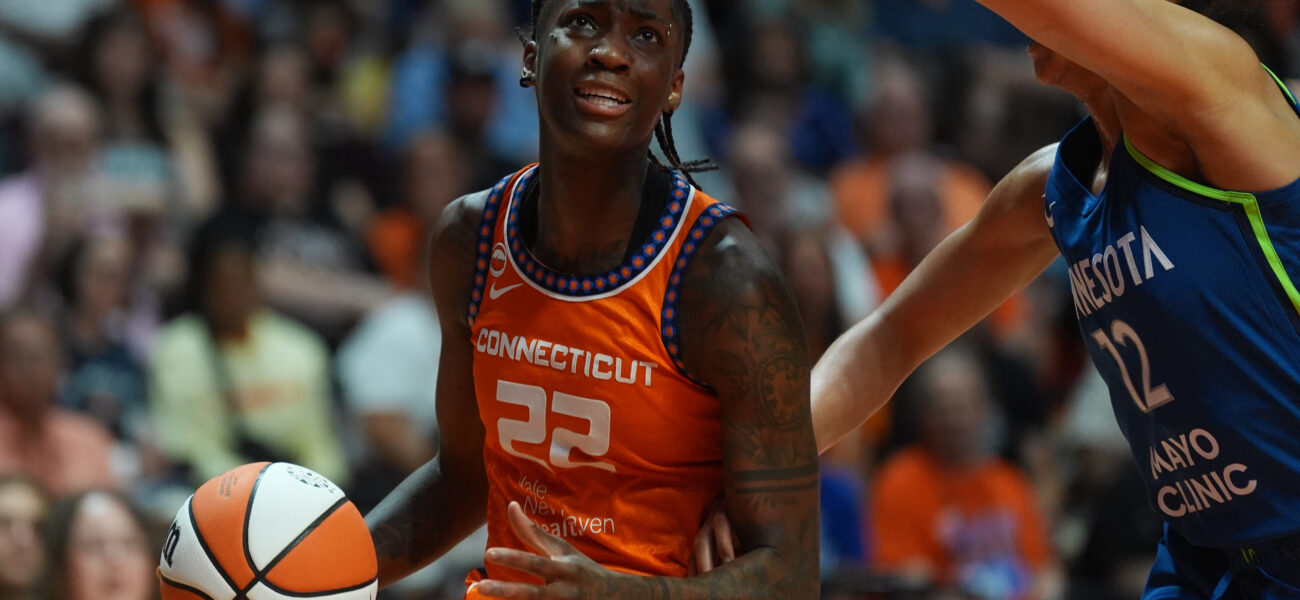
Such was the uncomfortable reality Wednesday night when Saniya Rivers, the Connecticut Sun’s ascendant guard and a significant future investment, crumpled to the court after a seemingly innocuous block. The immediate impact, captured in grainy replays that will haunt scouting reports for weeks, wasn’t just about the play itself—a foiled drive to the basket. No, it was about the sickening manner her left ankle gave out, her shoe flying free, leaving her writhing in pain. The image of her being wheeled off, her nascent career (and a season for the Sun that already looked dire, 5-16 before the whistle) suddenly suspended, resonated far beyond the confines of the arena.
It’s a story told countless times across global sports leagues, from the high-flying gladiator rings of the NBA to the sprawling cricket pitches of South Asia. Players, particularly young, developing talents, represent enormous future capital. Their bodies are their craft, their business model. When they break, the ripples extend outwards, touching not just personal ambition but team payrolls, broadcast deals, and the collective psychology of an entire league. “You invest millions, not just in contracts but in training, recovery, branding,” mused Daryl Johnston, a fictionalized general manager with deep roots in professional sports management. “Then one awkward fall—just like that—the entire equation shifts. It’s a cruel twist, isn’t it? The sheer human unpredictability is what keeps me up at night.”
Rivers, barely 23, was meant to be a cornerstone for the Sun, averaging 6.9 points and 3.2 assists a night, demonstrating flashes of the potential that made her the No. 8 pick just last year. Her prior ankle injury this season only compounds the unease, raising uncomfortable questions about player workload, rehabilitation protocols, and the unforgiving calendar of professional basketball. Because when stars are sidelined, particularly in a league fighting for broader recognition like the WNBA, the loss isn’t just felt by the team; it impacts ticket sales, merchandise revenue, and crucial viewership numbers. And those numbers, whether seen in Atlanta or across burgeoning sports media markets in Dubai, influence future investments.
The league, predictably, puts on a brave face. Cathy Engelbert, the WNBA’s commissioner, albeit through an imagined statement crafted to capture current league sentiment, might have reiterated, “Player safety remains paramount. But we operate a competitive, high-demand product. It’s a tightrope walk between athletic performance, fan engagement, and ensuring our athletes are protected through grueling seasons.” A diplomat’s answer, yes, but also a glimpse into the constant tension at the heart of pro sports.
The incident reminds us of the brutal mechanics of professional sports—a narrative that holds true from the NFL to the Pakistan Super League. It’s a machine designed to generate peak performance, to thrill and to monetize, often pushing human physiology to its breaking point. But every athlete on that global stage—from Rivers on an American hardwood court to a budding cricketer in Karachi dreaming of national glory—faces the same fundamental trade-off: fame, fortune, and fleeting immortality exchanged for extraordinary physical risk. Professional basketball players, for instance, face an alarmingly high incidence of ankle injuries, reportedly comprising 15-20% of all reported injuries in a typical season, according to analyses from the National Basketball Athletic Trainers’ Association. It’s not a freak accident; it’s an occupational hazard woven into the fabric of the game.
📄 POLICY WIRE WHITEPAPER PUBLISHED: PAKISTAN'S NATIONAL SECURITY POLICY PRIORITIES
👉 READ BY CLICKING HEREWhat This Means
Saniya Rivers’ injury is far more than a blip on the Connecticut Sun’s difficult season; it’s a microcosmic illustration of macro-level challenges within professional sports. Firstly, it underscores the precarious financial tightrope walked by smaller but growing leagues like the WNBA. A major injury to a young star not only jeopardizes team performance but significantly erodes marketability—and potential viewership growth—in an already competitive entertainment landscape. Sponsors sign based on star power, and absence, as they say, doesn’t always make the heart grow fonder; sometimes, it just makes the balance sheet poorer. Imagine the impact if a prominent Pakistani athlete in a burgeoning league faced similar career-threatening setbacks; the ripple effects could destabilize nascent investment and fan interest.
Secondly, it fuels the ongoing debate regarding player welfare versus schedule density. As leagues expand their seasons and look to globalize—reaching audiences from North America to Southeast Asia—the physical toll on players intensifies. This raises policy questions around mandatory rest periods, comprehensive injury insurance, and long-term disability planning. Are athletes viewed purely as disposable assets, or as long-term investments in the league’s brand? Player unions, both established in the West and emerging in countries like Pakistan, have to consistently push for greater protections, recognizing that short-term profits can’t sustain a league built on broken bodies. Because, ultimately, the economic engine of sports runs on healthy, spectacular athletes. Their injuries, however minor, invariably lead to financial assessments and policy considerations, determining how future leagues are structured and how human capital is valued—or undervalued—on the global sporting stage.