


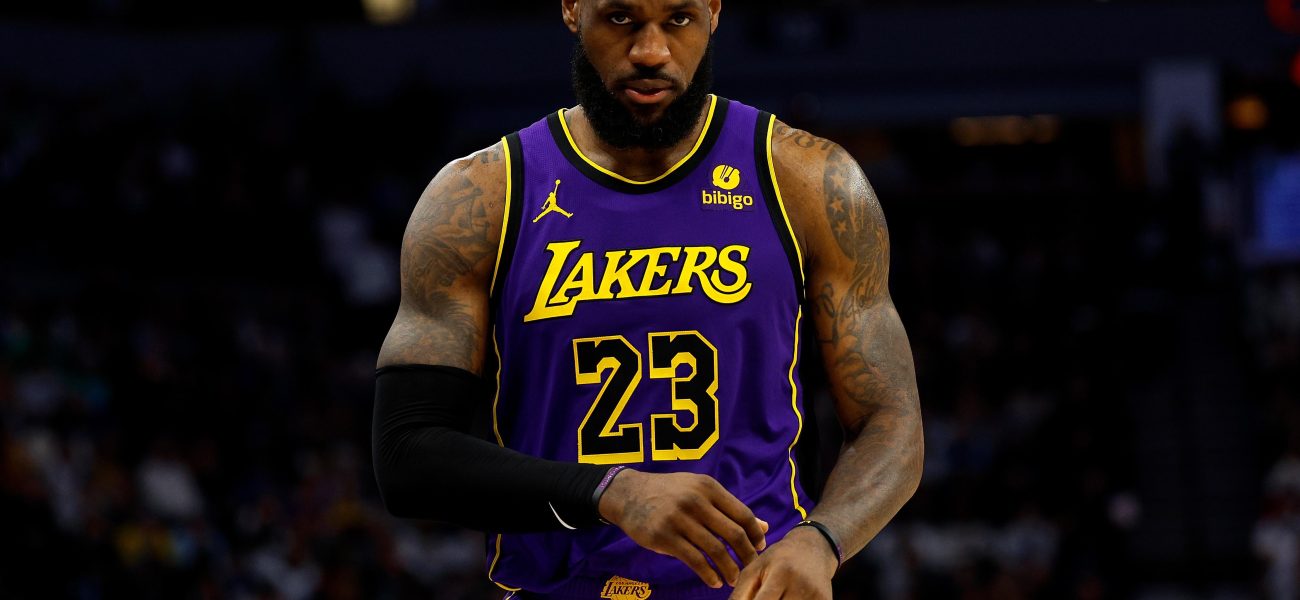
The Boardroom Brawl: LeBron James’ Next Move Exposes Sports Industry’s Geopolitical Chess Match
POLICY WIRE — Washington D.C. — It’s not just a basketball player moving cities; it’s an economic migration, a geopolitical negotiation conducted on the slickest corporate jet. LeBron James’ agent,...

POLICY WIRE — Washington D.C. — It’s not just a basketball player moving cities; it’s an economic migration, a geopolitical negotiation conducted on the slickest corporate jet. LeBron James’ agent, Rich Paul, isn’t just orchestrating a career shift; he’s running a multi-billion-dollar enterprise, publicly—and very deliberately—unveiling his strategic playbook, effectively holding an entire league, and several city economies, in a delicate balance.
Forget the locker rooms. We’re talking boardroom maneuvers, where player sentiment is parsed like sovereign debt data. Paul, fresh off his podcast circuit—a brilliant piece of media management, if you ask me—let slip a peek at a whiteboard. On it? A cold, hard list of James’ potential destinations, weighted with ‘pros’ and ‘cons’ like a diplomatic briefing before a UN summit.
And here’s the kicker: The Cleveland Cavaliers are sitting pretty near the top. But this isn’t just some fan’s dream; it’s a calculated, almost brutal, examination of market value, human connection, and institutional stability. It’s what you might call the political economy of athlete power.
The entire affair — the public hinting, the controlled leaks — it’s a masterclass in market signaling. Paul’s actions scream that James isn’t just a player; he’s an asset, whose deployment impacts everything from local advertising markets to jersey sales stretching from Sacramento to Karachi. That’s right, the implications of LeBron’s decisions resonate even in the bustling markets of South Asia, where a burgeoning youth population, digitally connected, follows Western sports stars with an intensity that often surprises those confined to North American viewing habits. Think about the global merchandising reach, the digital eyeballs, the international brand partnerships. It’s not just about winning games, it’s about expanding influence, much like nations vying for soft power.
Among the notes scribbled about Cleveland, Paul highlighted Brandon Weems—currently an assistant GM and purportedly next in line for the top job—as being ‘basically LeBron’s brother’. That’s a serious ‘soft factor’ weapon, isn’t it? “Big, big x-factor, Brandon Weems is basically LeBron’s brother,” Paul noted on his podcast, and for this class of athlete, such personal ties can easily tip the scales where millions of dollars already hang in the balance. It’s personal diplomacy at its highest echelon.
But there are economic ripples beyond simple sentiment. The sheer valuation of an NBA franchise, like the Cavaliers, which Forbes pegged at approximately $1.65 billion in October 2023, can fluctuate wildly based on player acquisition. A star like James injects not just athletic prowess but an immediate, palpable uplift in media rights, attendance, and sponsorship appeal.
Yet, it’s never straightforward. Paul pointed to perceived roster weaknesses. “The negative is, no knock to James Harden, but no Darius Garland,” he stated, indicating James’ admiration for Garland, a guard with undeniable talent. This comment wasn’t just a critique of Harden; it was a clear endorsement of another client, a calculated public move that benefits his agency’s broader portfolio.
What’s even more telling, Paul actively dismissed rumors that Cleveland had considered trading Evan Mobley for Jaylen Brown. “They weren’t giving up Evan Mobley, you don’t have to worry about that,” he asserted. This isn’t just fan service. It’s agent-as-spokesperson, providing strategic assurances for a potential future star, solidifying the impression that James values team continuity and core talent above all else. This kind of influence isn’t typical of your average sports manager; it feels more like a cabinet secretary signaling future policy directions.
What This Means
The dance around LeBron James’ free agency is far more than just sports gossip; it’s a profound study in the economics of human capital and regional policy impact. A superstar of James’ magnitude doesn’t just sign a contract; he brings an economic entourage, elevates a city’s profile, and, yes, attracts other talent. Because money follows money, — and star power often brings a self-fulfilling prophecy of success. Look at the local businesses, the infrastructure upgrades for arenas, the entire service economy that blossoms around a championship contender—it’s all part of the deal. Just look at the Los Angeles Lakers’ consistent ability to draw premier talent, partly due to the market but also the championship expectations. Cleveland, for all its love, knows this playbook well.
“We’re witnessing the de facto policy-making of a private enterprise shaping public urban economies,” said Professor Adil Khan, an economist specializing in regional impact at George Mason University, in an exclusive chat with Policy Wire. “LeBron’s decision carries the weight of a major corporate headquarters relocation, dictating capital flows and cultural relevance for the better part of a decade. These aren’t just athletic contracts; they’re public-private partnerships without the government signatory.” It’s a compelling, if unsettling, thought.
And consider the geopolitical side. The story isn’t just played out in American sports sections. It’s followed by financial news outlets globally, often contextualized against broader market trends or the influence of individual figures. It speaks volumes about the globalized nature of celebrity capital.
But for all the intricate whiteboard machinations and global implications, there remains an unshakeable truth: LeBron James remains the ultimate x-factor, an anomaly in an era where data dominates decision-making. We’re all just watching a very rich man decide where he wants to punch the clock next.