


Buttigieg’s Home Siege Reveals Ugly Underside of Political Anonymity
POLICY WIRE — Washington, D.C. — Not every politician faces a siege in their own home. Especially not from phantom assailants conjured by an anonymous phone call. But that’s exactly what played...

POLICY WIRE — Washington, D.C. — Not every politician faces a siege in their own home. Especially not from phantom assailants conjured by an anonymous phone call. But that’s exactly what played out at the residence of Transportation Secretary Pete Buttigieg recently, a jarring incident that tore through the usual D.C. decorum — and yanked his family into the messy crosshairs of internet malice.
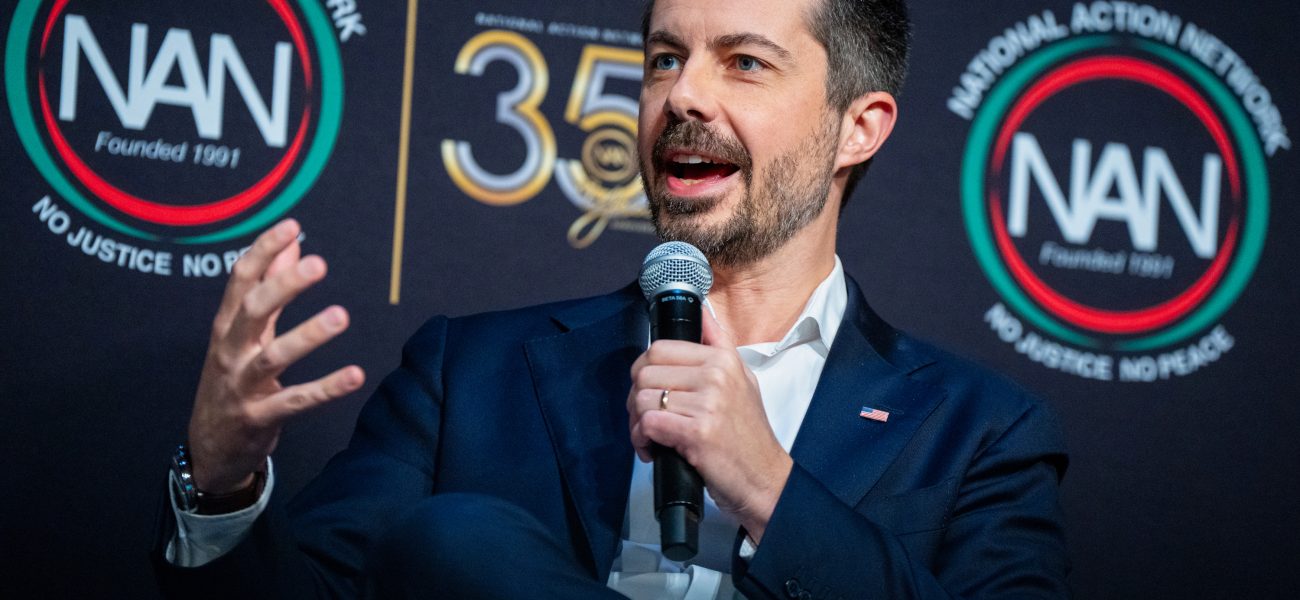
It wasn’t a policy debate or a thorny legislative tussle that landed armed police at the doorstep of the former presidential contender. No, this was far more insidious. A phenomenon, increasingly common, known as swatting. Someone, hiding behind a screen and a burner phone, lodged a false report of a serious crime unfolding at the Buttigieg home. Police, following protocol — and with understandable urgency, responded. And just like that, the private world of a public servant and his children—his young children, mind you—got violently upended. Buttigieg was briefly separated from his children after police say he was target of false report. [QUOTE_PLACEHOLDER]
It’s not hard to picture the scene: blue lights flashing, armed officers on edge, a householder trying to make sense of what just hit them. All because some faceless individual decided to pull a grotesque prank. A really dangerous prank, if we’re honest. These aren’t harmless jests. They’re calculated acts of psychological warfare, designed to induce chaos and, often, terror. And they’re not just aimed at cabinet members. We’ve seen everyday citizens, streamers, — and even schoolchildren become targets. This specific instance against a high-profile government official, though, it kicks up a lot of uncomfortable questions about the nature of our political discourse, doesn’t it?
Because while the immediate victim here is a recognizable name, the method, the malice, the sheer depravity of weaponizing emergency services—that’s a widespread problem. A Department of Justice report indicated that over 1,000 swatting incidents occur annually in the United States, a figure that’s been trending upwards, highlighting a growing threat to public safety. And who suffers? Beyond the initial targets, it’s often the police force itself, stretched thin and forced to respond to fabricated emergencies instead of real ones. Resources diverted, trust eroded. It’s a lose-lose situation for almost everyone involved, except the cowardly perpetrator.
This incident also underscores the permeable boundary between online antagonism — and real-world consequences. What starts as a nasty comment or a conspiracy theory in the digital ether can, in moments, morph into an armed standoff on someone’s lawn. It’s a chilling reminder that anonymity, while often touted as a pillar of free speech, can also become a shield for the truly vile. We’re grappling with this across the board, from social media pile-ons to deliberate disinformation campaigns designed to delegitimize individuals and institutions.
Think about the sheer scale of the global information ecosystem. From Silicon Valley tech giants to state-sponsored troll farms in places like Russia or, for that matter, actors looking to destabilize political discourse in South Asian nations like Pakistan, the line between robust debate and malicious manipulation is blurring. Online vitriol, whether from domestic antagonists or foreign provocateurs, aims to fray social cohesion. In countries with less robust legal frameworks or where digital literacy is still developing, false reports can ignite sectarian tensions, spread misinformation, and even incite violence far beyond the domestic squabbles of Washington. It’s not just a first-world problem, folks; the misuse of information, the deployment of fabricated narratives, these tactics have a global footprint and profoundly destabilizing effects.
📄 POLICY WIRE WHITEPAPER PUBLISHED: PAKISTAN'S NATIONAL SECURITY POLICY PRIORITIES
👉 READ BY CLICKING HEREBut back to the home front. What does it mean when a high-ranking official can’t feel entirely safe in their own domicile? It’s a step toward a much nastier political environment, one where the personal becomes a direct battlefield. It creates a chilling effect, doesn’t it? Discouraging good people, people with families, from entering public service, lest their personal lives be shredded for sport by an anonymous digital mob.
And you’ve gotta wonder: where does this end? Will every cabinet member, every lawmaker, need constant security at their homes? Will we, as a society, simply shrug our shoulders — and accept that this is the price of public life in the digital age? These are serious questions, with implications stretching far beyond one high-profile incident.
What This Means
This incident isn’t just about a single federal official; it’s a canary in the coal mine for the state of American public life, and frankly, global civic discourse. Politically, it signals a disturbing escalation in tactics meant to harass and intimidate public servants, moving beyond online abuse to direct, physical threats that weaponize law enforcement. This won’t breed productive dialogue; it’ll deepen polarization and potentially deter competent individuals from seeking office, particularly those with young families, fearful of such vile invasions of privacy and safety.
Economically, while a direct impact isn’t immediately obvious, incidents like this contribute to a broader environment of instability. The diversion of emergency services, the psychological toll on personnel, and the general erosion of trust in public safety institutions carry hidden costs. the ease with which such malicious acts can be orchestrated through readily available communication channels (like spoofed calls or VPNs) highlights a cybersecurity vulnerability that extends beyond personal devices to the very fabric of emergency response systems. For governments worldwide, including those in South Asia struggling with online disinformation and sectarian targeting, this serves as a stark warning about the fragility of public trust and the escalating danger posed by anonymous online malfeasance. It shows we’re increasingly interconnected in our vulnerability to digital threats, blurring the lines between statecraft and the messy, dangerous playground of the internet.