


Gridiron Reckoning: The Swift Collapse of Pro Careers in Sports’ Murky Depths
POLICY WIRE — Detroit, USA — One day, they’re etching their names onto lucrative contracts, the next they’re paying a million-dollar bond just to walk free—albeit into the harsh winds of professional...

POLICY WIRE — Detroit, USA — One day, they’re etching their names onto lucrative contracts, the next they’re paying a million-dollar bond just to walk free—albeit into the harsh winds of professional oblivion. Such is the brutal cadence of American sports, a high-stakes, hyper-capitalized arena where personal failures often eclipse athletic prowess with chilling speed. This isn’t about just losing a game; it’s about the instantaneous, financially devastating unraveling of a multi-million-dollar career.
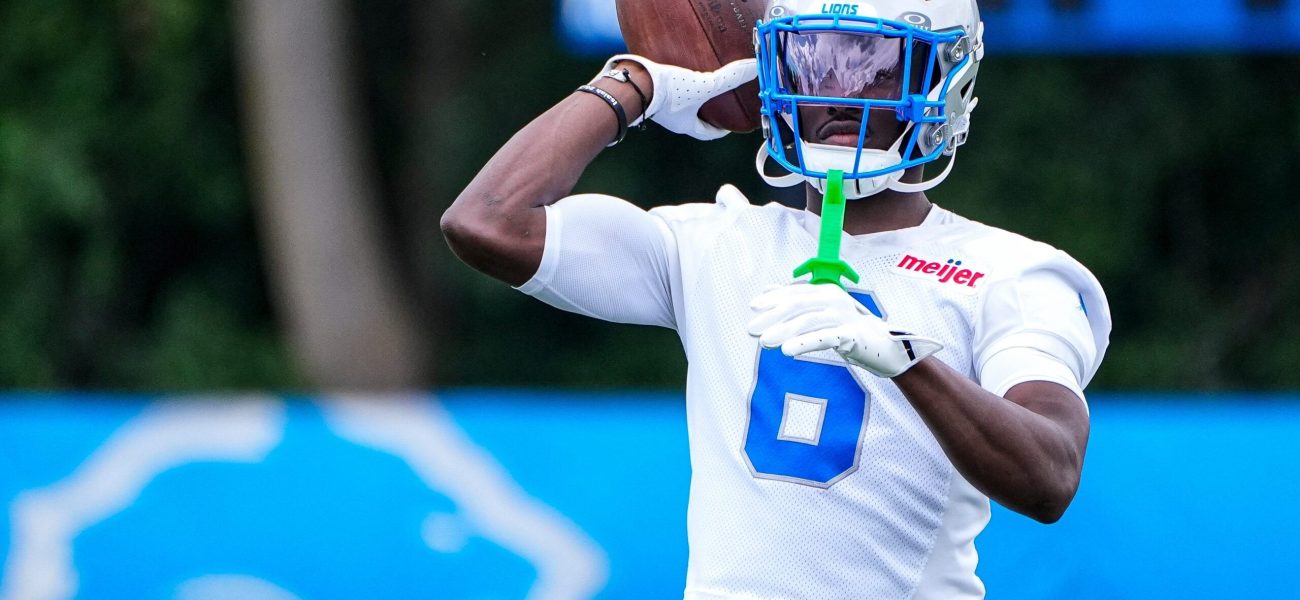
Terrion Arnold, once touted as a cornerstone of the Detroit Lions’ defense, saw his gridiron dreams evaporate within days. Just two seasons after being a first-round draft pick, his future—and a substantial salary—vanished after an arrest on felony charges of armed robbery and kidnapping. Even a colossal $1 million bond posted last Tuesday couldn’t buy him back his roster spot. He’s a free agent now, a stark reminder that talent, however immense, is merely a footnote when the law steps in. It’s a quick trip from locker room adulation to courtroom docks, then into the cold anonymity of the waiver wire.
And the Lions, ever pragmatic (or perhaps, unsentimental), didn’t waste a second. Their gaze swiveled almost immediately to a new prospect: Trevon Diggs. This isn’t charity; it’s a cold economic calculation. Moe Moton of Bleacher Report flagged Diggs as a potential bargain, a man with a complicated past of his own, waiting in the wings. Diggs, once an All-Pro talent with a whopping five-year, $97 million contract extension from the Cowboys, carries his own baggage—a litany of injuries and a rather telling incident of refusing to board a team flight. That’s how quickly fortunes shift in this business, from franchise linchpin to dispensable asset.
But Diggs isn’t a fresh face. He’s a six-year veteran whose career arc has mirrored the volatile stock market—peaks, valleys, and sharp declines. His ACL tear in 2023, followed by a groin injury and knee surgery in 2024, meant he’d appeared in just 22 games over three seasons. His PFN Cornerback Impact score, once formidable, now hovers at a rather middling 60.6, ranking him No. 123 in the league. That’s a steep drop for someone who used to be a ball-hawk.
Contrast that with Arnold’s final Lion’s metrics: a 72.4 PFN Cornerback Impact score, placing him at No. 77. The replacement, in terms of recent on-field production, is a downgrade. But this decision isn’t about stats; it’s about liability — and image. It’s the uncomfortable equation sports executives regularly contend with, weighing athletic advantage against public relations catastrophe. The perils of athlete valuation are manifold, especially when off-field conduct enters the equation.
“The integrity of our league demands accountability, pure and simple,” stated NFL Commissioner Roger Goodell, responding to an inquiry regarding player conduct clauses without directly referencing Arnold. “While the legal process plays out, our teams operate under strict codes designed to protect both the sport and its athletes, however uncomfortable those personnel decisions may sometimes feel for those involved.” His comments, carefully couched in league rhetoric, betray the ruthless logic at play. Player contracts are conditional, not immutable covenants.
Veteran sports agent Wallace Sterling, speaking off the record about the industry’s harsh realities, put it more bluntly: “One minute you’re a first-round pick, riding high. The next, a bad headline, a questionable decision—or even a string of bad luck with injuries—and you’re persona non grata. It’s a meat grinder, frankly. And it shows you just how fragile even the most robust contracts can be.” For all the talk of guaranteed money, many deals are guaranteed only until they’re not.
What This Means
This episode transcends mere sports commentary; it offers a chilling glimpse into the economics of extreme precarity within highly compensated fields. The instantaneous jettisoning of Arnold underscores how professional reputation, tied inextricably to multi-million dollar brand values, becomes an existential commodity. This isn’t just about American football; it’s a global parable. The ruthless expediency with which an asset can be deemed a liability, and quickly replaced, reflects similar dynamics observed in hyper-competitive markets from high finance in London to fledgling tech hubs in Lahore.
Because while we obsess over player salaries, the foundational lesson is one of immense power disparities and the conditional nature of wealth in systems where morality clauses and public perception often override traditional contractual protections. Consider how global investors—many from resource-rich nations in the Muslim world—pour capital into these sporting behemoths. They aren’t just buying into entertainment; they’re buying into a tightly managed corporate image, one where individual player missteps can ripple through a vast economic ecosystem, influencing sponsorship deals, media rights, and ultimately, shareholder confidence. It’s not a game; it’s an industry ruthlessly protecting its economic arteries from perceived infections.
The swift disposal of Arnold, and the equally swift acquisition of a player like Diggs—who, despite his past performance and health issues, still offers perceived value—illuminates the market’s ceaseless quest for risk mitigation and rapid replacement. This transaction isn’t just football. It’s a real-time negotiation of risk, talent, and public trust, a micro-economy mirroring larger macroeconomic principles where value is often less about intrinsic worth and more about calculated external perception.