
Tehran’s Bluff or Warning? Iranian Negotiator Raises Stakes on U.S. Taxpayer Wallet
POLICY WIRE — Washington, D.C. — Another turn of the diplomatic screw. That’s the feeling pervading Beltway corridors after comments from Tehran’s negotiating table dropped like a lead...

POLICY WIRE — Washington, D.C. — Another turn of the diplomatic screw. That’s the feeling pervading Beltway corridors after comments from Tehran’s negotiating table dropped like a lead balloon, suggesting American pockets would suffer the brunt of continued deadlock. It wasn’t the first time an Iranian official hinted at such a cost, — and it probably won’t be the last. But the bluntness—the direct call-out of the U.S. taxpayer—that’s a relatively unvarnished strategy.
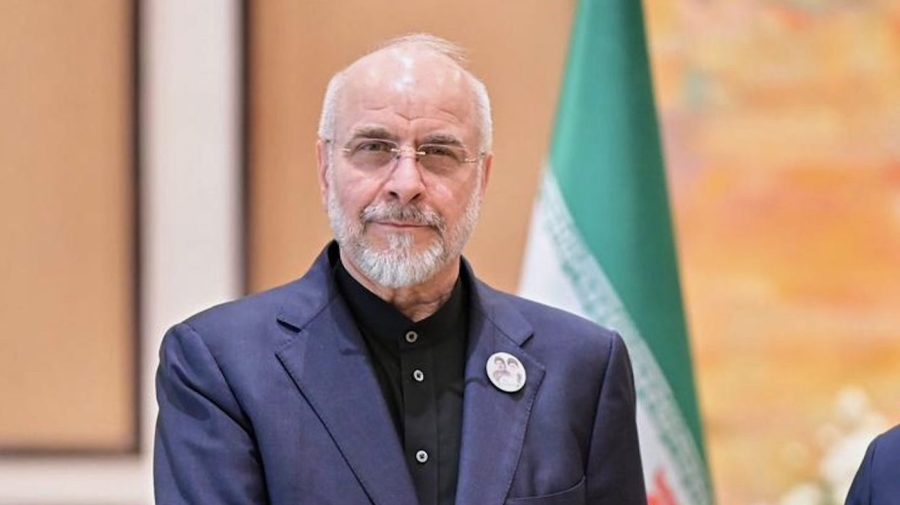
It cuts through the usual diplomatic niceties, doesn’t it? Gone are the vague appeals to international law or calls for multilateral solutions; instead, a bare-knuckle economic threat, aiming straight for the domestic pain points of any sitting U.S. administration. “Our proposal is reasonable,” Ali Bagheri Kani, Iran’s chief nuclear negotiator, reportedly asserted this week. “The alternative? Persistent instability in a region absolutely central to global energy supply. You think that doesn’t hit the American gas pump? You think that doesn’t drive up consumer prices? Of course it does. And ultimately, that bill lands squarely at the feet of the American taxpayer. Washington knows it.”
This isn’t just about uranium enrichment levels or frozen assets; it’s about a persistent, grinding game of economic chicken that’s been playing out for decades. The mullahs know perfectly well that economic leverage is their sharpest, most accessible weapon against a foe that’s often reluctant to use direct military force. Sanctions might cripple their economy, yes, but they also feed a narrative of victimhood and defiance that, in turn, fuels their negotiating posture.
Because let’s be honest, few in Washington truly expect a sudden, harmonious breakthrough. We’ve seen this cycle before: brinkmanship, vague hints of progress, then a hard reset. This latest pronouncement isn’t about forging common ground; it’s about recalibrating perceived leverage. The Iranian economy, under the thumb of Western sanctions for years, is, for example, estimated to have contracted by roughly 4% in 2023, according to World Bank figures. And yet, they keep on pressing. Hard to break a spirit like that, isn’t it?
But Washington’s not buying the victim act anymore. State Department officials were quick to dismiss the Iranian negotiator’s framing as little more than a thinly veiled demand for unilateral concessions. “The notion that American taxpayers are somehow responsible for the Iranian regime’s intransigence and its continued pursuit of destabilizing activities—that’s ludicrous,” a senior State Department official, speaking on background, shot back. “Our position hasn’t shifted: Iran must meet its international obligations. Period. The cost of their refusal, the burden, that lies with Tehran, not our citizens.”
📄 POLICY WIRE WHITEPAPER PUBLISHED: PAKISTAN'S NATIONAL SECURITY POLICY PRIORITIES
👉 READ BY CLICKING HEREAnd then there’s the broader regional context, which always gets ignored in these Washington-Tehran exchanges. You can’t just talk about Iran without looking at the tremors it sends across the Muslim world. The Gulf states—Saudi Arabia, the UAE—they’re watching every syllable. Their oil prices, their security—it’s all tied up in this dangerous dance. Pakistan, for one, faces perpetual economic headwinds, and anything that spooks global energy markets impacts its import bills directly. A unstable Strait of Hormuz, courtesy of increased U.S.-Iran tension, translates almost instantly to higher fuel costs in Karachi’s bustling streets. We’ve seen how regional instability, like shadows returning to a frontier market, exacerbates existing fractures and threatens to tear through the social fabric.
It’s a chess game where the pawns are often nations far removed from the actual players, yet inextricably linked. These comments, blunt as they were, are less a declaration of intent — and more a pressure tactic. They’re telling the U.S.: time is on our side, — and your internal political pressures are your weakness. We don’t have elections to worry about. You do. They’re effectively weaponizing the American election cycle—clever, if not exactly friendly diplomacy.
What This Means
This latest salvo from Tehran isn’t just rhetoric; it’s a deliberate strategy to raise the perceived domestic political cost for the U.S. if negotiations don’t proceed on Iran’s terms. Politically, it aims to exploit electoral sensitivities in an election year, pushing American decision-makers toward compromise under the guise of shielding their constituents from economic fallout. Economically, it signifies that Tehran remains confident in its ability to influence global markets through regional disruption, even if its own economy is under duress. The implication is clear: capitulate to our demands for sanctions relief and greater regional sway, or face continued instability that reverberates far beyond our borders. For the wider Muslim world, particularly in South Asia, these escalating tensions mean continued uncertainty. Pakistan, a net energy importer and grappling with its own domestic economic challenges, would be particularly vulnerable to any sudden spikes in oil prices or disruptions to trade routes through the Gulf. It’s a calculated gamble by Iran, betting that Washington’s appetite for sustained economic pressure on Tehran is finally waning, or at least becoming politically inconvenient.