

Supreme Court Curbs Digital Dragnet: Privacy Wins Against Blanket Geofence Searches
POLICY WIRE — Washington D.C. — They called it a ‘geofence.’ A digital lasso thrown indiscriminately, snatching personal location data from every mobile device in a designated area. For...

POLICY WIRE — Washington D.C. — They called it a ‘geofence.’ A digital lasso thrown indiscriminately, snatching personal location data from every mobile device in a designated area. For years, federal agents and local cops have wielded this tool, hoovering up information often without precise warrants, effectively turning citizens into unwitting digital informants. But no more. The nation’s highest court just slapped down that dragnet approach, deciding privacy—that increasingly fragile commodity—still deserves some respect, especially from Uncle Sam.
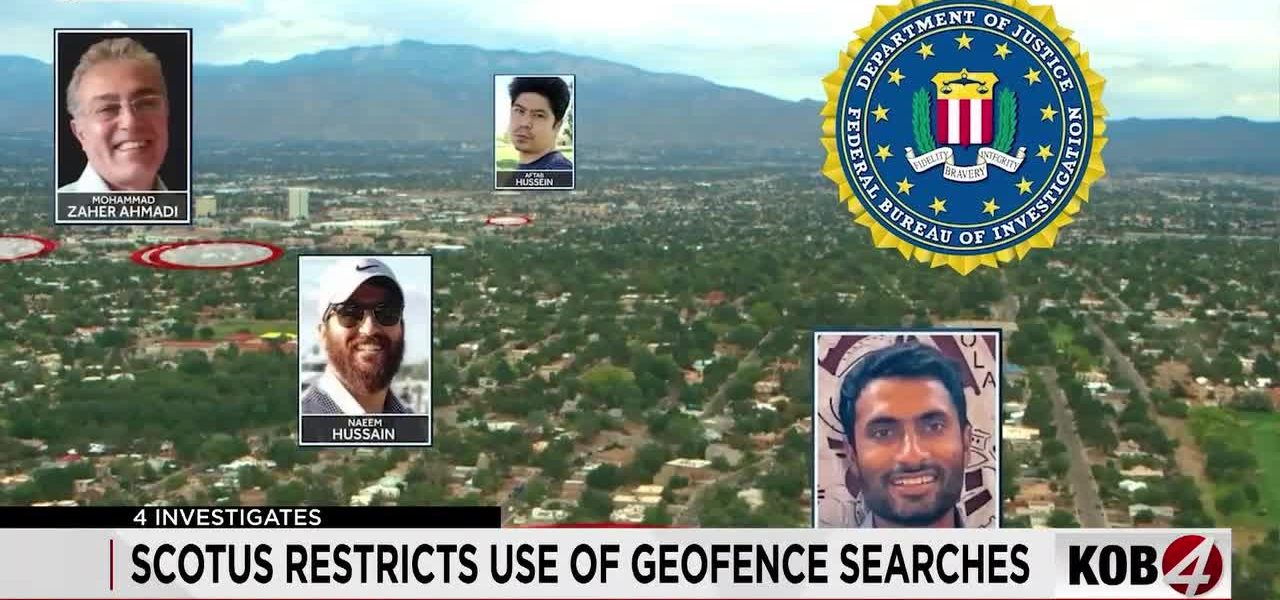
It’s not just a technicality, you see. This isn’t some abstract legal jousting. We’re talking about the government, via the FBI, trying to scoop data from 3,100 phones present at a funeral held in an Albuquerque mosque. A funeral, for crying out loud. The underlying premise? A killer might have been there, hidden in plain sight. They didn’t have a suspect. They didn’t have probable cause for an individual. They had a hunch — and a wide-open technological net.
This whole mess brewed after four Muslim men were killed in ambush attacks. A truly grim scenario. And investigators, naturally, were desperate for answers. So desperate, perhaps, they overstepped. That’s when they decided to cast that wide geofence around the Islamic Center of New Mexico during a mourner’s gathering. Because, hey, what’s a little Fourth Amendment erosion when you’re hunting a killer? But here’s the rub: those 3,100 devices belonged to innocent people simply paying their respects, not potential perpetrators.
“They thought a funeral, of all places, was fair game,” remarked Abbas Akhil, former President of the Islamic Center of New Mexico, still visibly shaken by the thought. “It’s an intrusion, pure and simple, and this ruling gives us a bit of breathing room.” His initial reaction when the implications of such broad surveillance came to light was, understandably, outrage. An egregious example of unchecked power, he called it, violating privacy rights many assume are foundational.
And now, a 6-3 Supreme Court decision. Six justices saying, ‘Slow down, federal agents.’ The ruling mandates specific warrants for these digital roundups, essentially confirming that while technology speeds ahead, constitutional protections need to keep pace. Justice Elena Kagan, writing for the majority, put it plainly: “The Fourth Amendment must, as ever, protect against unjustified government intrusion on the privacy of the individual.” No fuzzy grey areas there. She wasn’t mincing words.
Two years back, Joshua Kastenberg, a constitutional law professor from the University of New Mexico, was already predicting this showdown. He knew these types of searches couldn’t last. “I think New Mexicans, generally, should be happy with this decision,” Kastenberg told reporters, a sentiment that resonates far beyond the Land of Enchantment. “Much of our privacy laws are a generation behind where we live today. I look at this Supreme Court decision as a barrier, a safety zone against an overly intrusive government that often contracts with overly intrusive electronic organizations.” It’s a quiet nod to the shadowy realm where government meets big tech.
Because let’s be real, this isn’t just about the FBI. It’s about a sprawling network of digital snooping. According to Meta’s own Transparency Report, in 2022 alone, the company received approximately 203,700 government requests for user data in the U.S. That’s a staggering number, suggesting these wide-net tactics weren’t just a one-off in New Mexico. But now, hopefully, a new precedent is set.
But don’t get it twisted; Kastenberg believes geofence searches won’t vanish entirely. There are always exceptions, aren’t there? National security cases, for instance, often operate under a different set of rules. And that’s where the real vigilance comes in. For your average criminal investigation, however, those broad, untargeted geofences? Largely unconstitutional. Game changer. Or at least, a heavy brake pedal.
For Muslim communities, not just in the U.S. but globally—particularly in regions like South Asia where state surveillance often treads a fine line—this ruling serves as a vital reminder. The Albuquerque mosque incident isn’t an isolated case; minority groups frequently bear the brunt of overzealous, broad-stroke surveillance. This judgment, albeit from an American court, throws a spotlight on the principle that suspicion, even in the direst of circumstances, shouldn’t justify a boundless digital search of innocent citizens.
What This Means
Politically, this decision recalibrates the power dynamic between individual liberties and state authority in the digital age. It’s a clear signal to law enforcement: the ‘move fast and break things’ approach doesn’t apply to constitutional rights. We’ll likely see a tightening of warrant application processes, requiring specific justifications for geographic and temporal parameters of data collection. Expect some friction, though, as police departments reliant on such broad strokes will need to adapt, investing more in traditional, targeted investigative methods. Economically, tech companies, which have often been caught between user privacy demands and government subpoenas, might experience a slight reprieve from sweeping data requests, or at least face more legally robust demands. It also pushes the conversation forward on data minimization, compelling companies to rethink how much location data they truly need to retain, especially given the increased liability when facilitating unconstitutional government fishing expeditions. The balance has shifted, ever so slightly, but in privacy’s favor—for now. But they’ll try other tactics, you can bet on that.