


Albuquerque’s Sobering Silence: A Murder, Memory Loss, and the Echoes of Unseen Trauma
POLICY WIRE — ALBUQUERQUE, N.M. — It’s a recurring scene in courtrooms across the nation: a life irrevocably lost, another profoundly altered by charges of violent acts, and the disquieting echo of...

POLICY WIRE — ALBUQUERQUE, N.M. — It’s a recurring scene in courtrooms across the nation: a life irrevocably lost, another profoundly altered by charges of violent acts, and the disquieting echo of memories conveniently gone. A New Mexico judge made the expected call this week, ensuring the man at the center of yet another fatal domestic dispute won’t be returning home just yet.
No sudden shockwaves here; the legal machinery grinds along, often with the predictability of a late summer drought. But behind the procedural decision—the denial of bond—lie the chilling particulars of a case that peels back layers on intoxication, alleged amnesia, and a family shattered. Because it’s never just about one event, is it? It’s about what it reveals. [QUOTE_PLACEHOLDER]
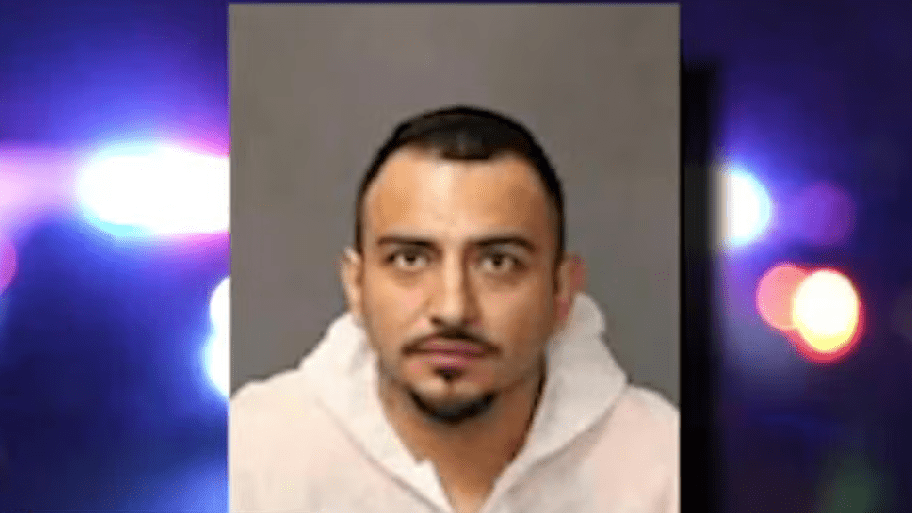
Authorities contend that James Candelaria, 33, perpetrated the fatal shooting of Destiny Benavidez at a residence right here in southeast Albuquerque. He’s accused of it. Police allege the accused hid the firearm at a relative’s residence before they apprehended him. It’s a detail—the concealment—that typically suggests a clarity of mind at odds with the purported mental fog.
And that’s where the narrative veers into unsettling territory. Candelaria allegedly told police he blacked out after drinking — and didn’t remember what happened. It’s an explanation often heard, a conveniently blank slate offered when the actions are too egregious to own fully, particularly after the consumption of alcohol. This particular legal gambit, claiming liquor-induced amnesia, complicates an already tragic scene, injecting a familiar wrinkle into an agonizing reality.
Benavidez died last Wednesday. One day. One moment. Her passing adds another grim tally to the seemingly endless roster of domestic violence fatalities. This incident, while local to Albuquerque, mirrors a distressing global pattern, where substances often fuel what societal pressures and personal demons initiate. Consider this: according to a 2017 study published in the Journal of Studies on Alcohol and Drugs, alcohol was involved in over one-third—roughly 37%—of all intimate partner violence fatalities across the United States. That’s a statistic that doesn’t just whisper; it screams.
We see the same agonizing discussions —about alcohol, about aggression, about justice— reverberating from the alleys of Karachi to the villages tucked into the Khyber Pakhtunkhwa. In Pakistan, for instance, public health campaigns and legal frameworks grapple with the deeply entrenched issue of domestic violence, often compounded by substance abuse. But culture often dictates how these incidents are reported, investigated, — and ultimately, prosecuted. Justice systems everywhere face the Herculean task of protecting victims and adjudicating claims where memory is fractured, or deliberately obscured. For those in Lahore or Islamabad advocating for better protections for women, these American stories aren’t foreign; they’re grim reminders of universal challenges against ingrained social habits and justice delayed, or denied. Policy must reckon with human fallibility, everywhere. Just as in Albuquerque, the policy makers and judicial systems of Islamabad have to constantly re-evaluate approaches to violence that occurs behind closed doors, often hidden by shame or fear, and frequently exacerbated by intoxicating substances.
This tragic episode in New Mexico, much like the challenging legal landscapes of South Asia where judicial reforms sometimes stumble over local customs and patriarchal structures, shows how domestic violence remains an stubbornly opaque societal concern. It forces conversations about what true accountability means when memory conveniently fails, and what safeguards actually protect the vulnerable, not just in theory, but in the brutal practice of daily life. For now, Mr. Candelaria is cooling his heels behind bars—a step that for Destiny Benavidez’s loved ones, feels long overdue, yet wholly inadequate in the face of their permanent loss.
And what of the gun, allegedly hidden? That’s not a blackout. That’s calculated. It complicates any simple narrative of impaired judgment. The courts here, they’ve got their work cut out for them, unraveling intent from purported oblivion, finding justice amidst a fog of alcohol and sorrow. But really, this judge’s decision—it’s only the prologue to a much longer, and infinitely more painful, story.
What This Means
The judge’s decision to keep Candelaria in custody reflects a fundamental principle of public safety and flight risk assessment. But it’s also a statement, quiet though it’s, on the severity of the alleged crime. Economically, domestic violence cases burden the justice system, social services, and public health infrastructure—costs that are rarely fully tallied. We’re talking medical expenses, legal fees, victim support programs—it all adds up, drawing from taxpayer dollars that could otherwise address other pressing community needs. Politically, such incidents often reignite calls for stricter gun control or more robust alcohol education and intervention programs, especially those tailored to address violence stemming from intoxication. It’s a debate that’s often emotionally charged, — and seldom neatly resolved.
the claim of blacking out post-drinking, while a defense strategy, also raises uncomfortable policy questions about responsibility versus impairment. When does personal culpability begin or end? It challenges lawmakers to craft policies that don’t just punish after the fact, but actively prevent—through education, mental health resources, and substance abuse treatment. The court’s handling of this specific memory defense, whether it’s ultimately accepted or dismissed, will undoubtedly inform future legal strategies in similar cases. It affects precedents, making future cases harder, or, sometimes, clearer. From an international lens, too, this case isn’t isolated. Many developing nations struggle to implement and enforce similar legal protections and accountability, particularly for victims, and when you’ve got cultural nuances, well, it’s not a silent erasure of issues, but often a vocal debate about how justice applies across different social strata.
But the rawest impact, often overlooked in the legal analysis, remains deeply human: the ripple effect of this kind of violence. It traumatizes families, frightens communities, — and chips away at societal trust. The legal system, in keeping Candelaria behind bars, is effectively stabilizing an immediate threat, but it doesn’t, and can’t, address the broader sickness. This ruling is just a checkpoint, a minor point on a very long map. We’re still grappling with the map’s entire scope.