


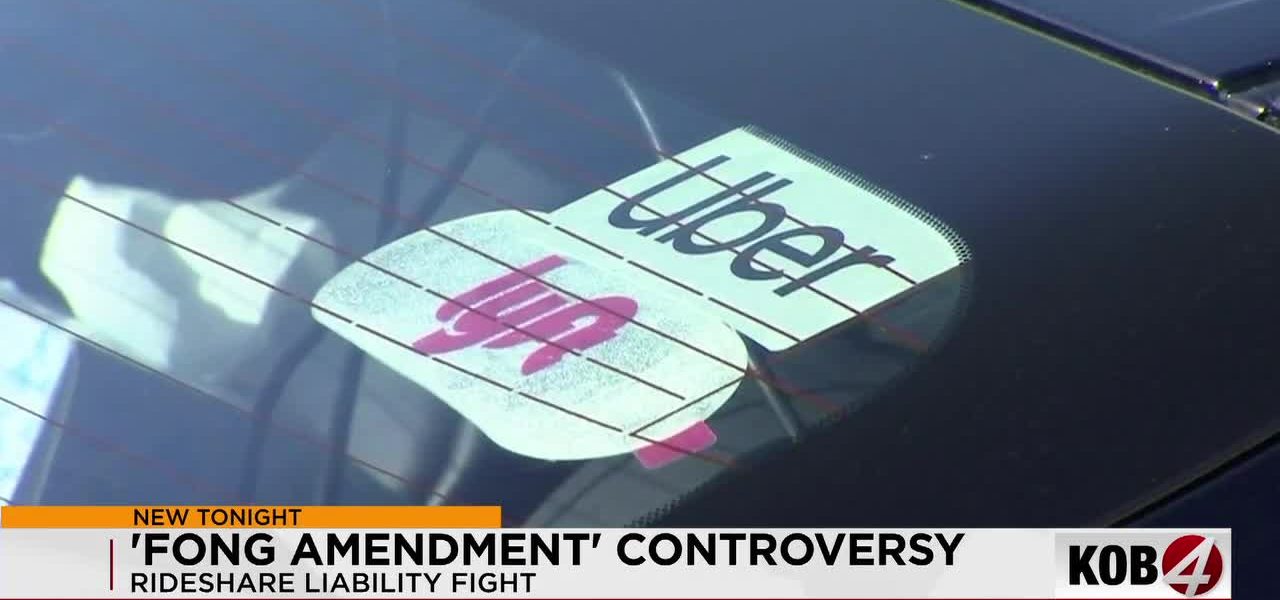
A Corporate Get-Out-Of-Jail-Free Card: Rideshare Giants Angle for Immunity
POLICY WIRE — Washington, D.C. — Even as legislatures across America work to reinforce protections for their citizens, a curious legislative maneuver now looks to dismantle years of hard-won...

POLICY WIRE — Washington, D.C. — Even as legislatures across America work to reinforce protections for their citizens, a curious legislative maneuver now looks to dismantle years of hard-won progress. It’s all tucked into a colossal $580 billion transportation bill, a veritable legislative haystack, where one finds a particularly prickly needle: an amendment designed to essentially immunize massive rideshare operations from the consequences of grave harm. Talk about audacity. The measure, dubbed the Fong Amendment, isn’t just about streamlining—it’s about fundamentally rewriting the social contract. For those relying on these platforms, and certainly for the companies pulling strings, this isn’t merely policy; it’s a high-stakes play in the ever-shifting landscape of corporate responsibility.
Lawmakers quietly dropped this “Build America 250” Act in the House last month. Supporters argue the change will prevent frivolous lawsuits against rideshare companies. That’s the boilerplate, anyway—the well-worn public relations line that aims to soften the blow of what opponents label a corporate power grab. But detractors don’t mince words. They argue it will give those companies a liability shield, meaning people couldn’t hold them accountable in court when a passenger or driver gets hurt or sexually assaulted. A pretty stark contrast, wouldn’t you say? One side talks about annoying lawsuits, the other, about victims being left high — and dry. No prizes for guessing which argument carries more moral weight, even in this cynical capital.
And it’s not just some fringe group sounding the alarm. An impressive cohort of 285 women state legislators—among them nine from New Mexico, mind you—sent a blistering letter straight to Speaker of the House Mike Johnson. Their message? Clear as a bell: “Under no circumstances should any corporation be shielded from liability for sexual assault,” they insisted. That’s not just a polite request; it’s a moral imperative, echoing concerns felt far beyond America’s borders regarding multinational corporations and their ethical footprints. Across the Muslim world, for instance, in bustling megacities like Lahore or Jakarta, where nascent rideshare economies thrive and often face uneven regulatory scrutiny, the principle of corporate accountability, especially concerning safety, remains an ever-present, thorny debate for policymakers.
This isn’t idle speculation about potential future problems either. The women’s letter cited a New York Times investigation from last year, revealing a staggering reality: There were more than 400,000 reports of sexual assault or misconduct on Uber trips between 2017 and 2022. That’s not a small number, not a rounding error—that’s a colossal failure to protect customers and drivers. Imagine having that data — and then still asking for legislative immunity. It beggars belief, quite frankly.
New Mexico Safety Over Profit, an advocacy group working with those harmed by corporations or healthcare systems, knows what’s up. They pointed out this proposal impacts a service many people use every day. We’re talking about getting to work, shopping, getting home safely from a night out—these aren’t luxuries; they’re often essential. As Johana Bencomo from the group laid it out: “People are using rideshares to get to work, to go shopping in New Mexico cities, to get home safely from a night out, like it is an important part of the public transportation infrastructure, but in order for this tool to be a successful economic development driver in our community, it also has to be safe for the riders and for the drivers,” A sensible enough position, it would seem, especially when one considers the vast economic activity these platforms generate globally.
This amendment, they warn, could effectively undo years of patient, often contentious work in statehouses to bolster rideshare safety and accountability. Consider Colorado’s forward-thinking Rideshare Safety and Accountability Act, which brought in requirements like routine background checks and safety and discrimination reporting. Virginia — and Nevada also recently passed survivor-centered laws. All that careful work, all that incremental progress, could potentially be wiped out by one stroke of a congressional pen—a classic example of federal overreach, many argue, or perhaps more accurately, federal underreach where corporate accountability is concerned.
But why now? Why this sudden legislative push for immunity? Bencomo’s observation cuts right to the chase: “We know that harm is happening and survivors are taking their cases to court and they’re winning, and because they’re winning, Uber is now trying to rewrite the laws so that they can be skirted from that liability, because at the end of the day, it is about profit,” It’s an inconvenient truth, isn’t it? Corporate coffers, it seems, prefer not to be emptied by payouts to victims. The amendment, it should be noted, would technically still allow individual rideshare drivers to be sued. But here’s the kicker: individual drivers rarely have the personal wealth or insurance to pay out damages, making such legal avenues largely symbolic, a hollow victory for victims who’ve already endured so much. It’s not about justice, but about deflecting responsibility, creating a bureaucratic cul-de-sac for those seeking restitution.
What This Means
This proposed amendment, unassuming as it might appear within a hefty transportation bill, isn’t just a dry legislative detail; it’s a stark indicator of corporate power’s enduring influence over democratic processes. Economically, shielding rideshare companies from liability might offer short-term boosts to their balance sheets by reducing legal costs and potential payouts. But this comes at the profound cost of shifting the burden of risk almost entirely onto individuals—the very people whose daily routines form the backbone of the gig economy.
Politically, this represents a significant weakening of consumer — and worker protections. If successful, it could set a dangerous precedent for other industries to lobby for similar blanket immunities, unraveling the regulatory framework that holds corporations to account. For instance, the very battles waged over workers’ rights and safe conditions in factories and labor camps in regions like South Asia or the Middle East – often documented through extensive NGO reporting and, on occasion, wire service investigations – illustrate how easily corporations, even those ostensibly providing ‘progress,’ can push legislative boundaries to minimize operational costs, particularly when robust public oversight falters. It implies a legal double standard where corporate entity takes precedence over individual safety and justice, potentially making it much harder for victims, particularly women and marginalized communities, to seek redress.
it begs the question of accountability in a digital age. Platforms that facilitate services, derive immense profit, and dictate terms for millions of users effectively operate as monopolies in many locales. To then demand immunity from the adverse outcomes facilitated by their very structure demonstrates a remarkable detachment from social responsibility. The outcome of this particular legislative skirmish could have long-term consequences for how society balances the innovation and convenience of new technologies against the fundamental need for safety and justice. Just think of how a similar lack of regulatory foresight often exacerbates challenges, from online censorship to human rights infringements that silently erase basic freedoms. The power dynamic, you see, is strikingly consistent.