


Summer’s Invisible Threat: How Your Fresh Produce Became a Public Health Minefield
POLICY WIRE — Washington, D.C. — That perfectly ripe strawberry, that crisp romaine lettuce – they’re not just emblems of summer; they’re battlegrounds, it turns out. For consumers, the seasonal joy...

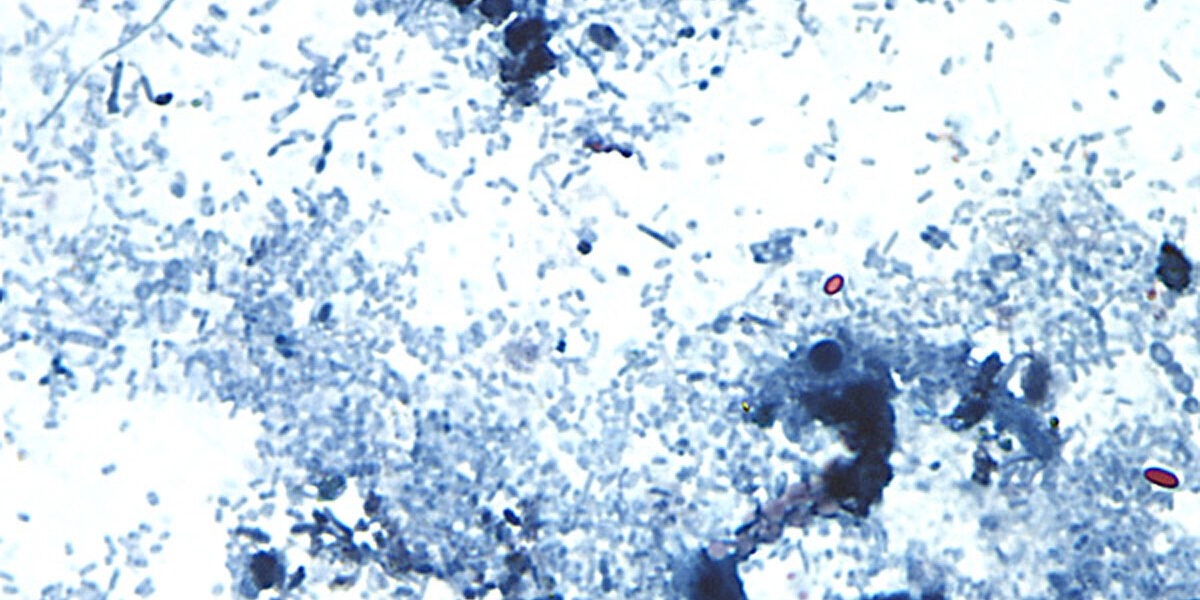
POLICY WIRE — Washington, D.C. — That perfectly ripe strawberry, that crisp romaine lettuce – they’re not just emblems of summer; they’re battlegrounds, it turns out. For consumers, the seasonal joy of fresh produce has, once again, been tinged with a rather unpleasant anxiety: the silent, invisible threat of unwelcome microscopic guests. We’re not talking about pesticides, folks, though that’s another can of worms entirely. No, this time, it’s about a stomach-churning reality check – the Cyclospora cayetanensis parasite, making its annual, uninvited debut, spoiling picnics and perhaps, a bit of our collective innocence about what we put on our plates.
It’s become a grim ritual, hasn’t it? Every summer, a fresh produce item – maybe raspberries one year, pre-packaged salad mix the next – earns the dubious distinction of carrier for this nasty protozoan. What it really means is more than a week of… well, significant intestinal distress. And frankly, the casual shrug with which these outbreaks are now met speaks volumes about our normalized dysfunction in food safety. We expect it, almost. It’s part of the bargain now: cheap, readily available food, with a side order of microbiological roulette.
“We’re telling people to wash their produce thoroughly, which they should always do,” says Dr. Eleanor Vance, Director of the Centers for Disease Control and Prevention’s (CDC) Division of Foodborne, Waterborne, and Environmental Diseases, in a statement to Policy Wire. “But even rigorous washing isn’t always enough for Cyclospora. It’s often deeply embedded, or transmitted through contaminated irrigation water. This isn’t a hygiene failure on the consumer’s part; it’s a systemic issue we’re confronting upstream, way before it hits the grocery aisle.” And she’s right. Because the problem doesn’t begin in your kitchen sink.
The vast, interconnected tendrils of our global food supply chain are something to marvel at—and also, apparently, to worry about. Produce journeys thousands of miles, often passing through hands — and waters with wildly disparate sanitation standards. Pakistan, for instance, a nation grappling with persistent water quality issues and infrastructure challenges, regularly exports agricultural products globally. But even locally grown produce isn’t immune. In developing nations, the risk isn’t just about export markets; it’s about the daily subsistence of millions, where food safety is inextricably linked to public health outcomes, often under tremendous strain, as observed in discussions surrounding regional crises like those facing Gaza’s hospitals grappling with a new reality of war.
“The economics are clear: demand for year-round fresh produce drives these global sourcing models,” noted Michael Hawthorne, spokesperson for the International Fresh Produce Association, during a recent industry webinar. “But that comes with a price, beyond the tag on the item. It necessitates robust—and expensive—testing protocols, international cooperation, and frankly, a level of vigilance that’s incredibly hard to maintain across dozens of countries, hundreds of farms, and millions of workers. It’s a delicate balancing act for growers, suppliers, and regulators.” Hawthorne isn’t wrong; everyone’s feeling the squeeze. The industry’s constantly weighing convenience against inherent risk, and often, that calculation quietly shifts the burden onto the end-user.
Let’s talk numbers for a second. According to a recent analysis published in the Journal of Food Protection, *Cyclospora* outbreaks linked to fresh produce have seen a staggering 300% increase in reported cases between 2013 and 2022 across North America. Three hundred percent. It’s a sobering statistic, one that suggests this isn’t just a fluke year here or there, but a widening crack in the foundation of our agricultural oversight.
What This Means
This isn’t merely about avoiding strawberries; it’s a window into the political economy of modern sustenance. The recurrence of *Cyclospora* outbreaks signals a worrying trend that pits consumer convenience against complex, often underfunded, public health and agricultural regulatory bodies. Economically, this puts immense pressure on farmers—particularly smaller operations—who are forced to absorb inspection costs and face potential boycotts if their produce is implicated, even tangentially. But it’s not just farmers feeling it. When these outbreaks gain traction, they shake consumer confidence, and that means a wider hit on agricultural sectors, prompting calls for stricter import standards, which can, in turn, strain diplomatic and trade relationships. Take, for example, a nation like Pakistan, where a burgeoning agricultural sector could be an economic lifeline. But persistent sanitation and irrigation issues mean their access to lucrative export markets hinges precariously on meeting stringent, costly, and often externally imposed food safety benchmarks—a burden that disproportionately affects smaller farmers, creating deeper societal inequities. This situation also ignites an uncomfortable policy debate about individual versus systemic responsibility, forcing regulators to ask whether the current system is actually fit for purpose in an era of truly globalized food production. What’s it going to take to fix this? More federal oversight? Better international collaboration on standards? A fundamental re-think of what “seasonal” actually means to a continent of consumers?
We’re caught in a cycle, aren’t we? The allure of fresh, cheap, available-anytime produce is powerful. But the persistent shadow of pathogens like *Cyclospora* means our appetites are, effectively, being tested by the very systems designed to sate them. And it’s not going away quietly; it just shows up with another familiar headache—or stomachache, in this case—every summer, like clockwork. That’s something to chew on, indeed.