


Belgium’s Golden Generation Stumbles, a Cruel Twist in Quarter-Final Collapse
POLICY WIRE — Los Angeles, USA — The world stage, with all its blinding lights and roaring crowds, often sets the perfect trap: an arena where years of expectation can unravel in a mere handful of...

POLICY WIRE — Los Angeles, USA — The world stage, with all its blinding lights and roaring crowds, often sets the perfect trap: an arena where years of expectation can unravel in a mere handful of devastating minutes. For Belgium, a nation that’s long nurtured the dream of World Cup glory, those minutes stretched into an agonizing seventy-eighth on a sun-drenched Los Angeles pitch, a cruel denouement to what many had hoped would be their defining tournament. It wasn’t just a loss; it was a psychological dismantling, a spectacle of cascading misfortunes.
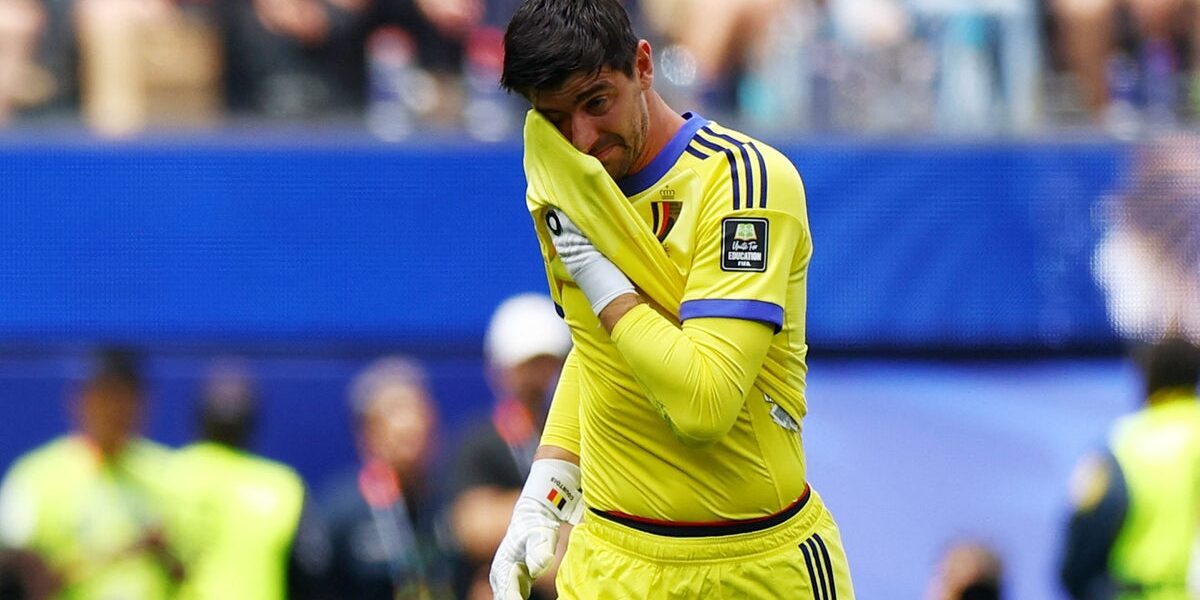
Hours before kick-off, the whispers started. Youri Tielemans, their midfield general, pulled out with a hamstring issue during warm-ups. A last-minute reshuffle, a jarring change. Then, as if tempting fate, Real Madrid’s towering goalkeeper, Thibaut Courtois, slumped to the turf, clutching his leg. He’d been an almost impassable barrier for years—the last line of defense, a calm, commanding presence. But now, visible tears tracking down his face, his World Cup, and quite possibly his international career on this grand stage, was over. He limped off, his 34 years seeming to weigh a ton with every agonizing step.
His replacement? Senne Lammens, a 24-year-old Manchester United prospect, thrust into the furnace of a World Cup quarter-final with Spain, literally for his debut. Talk about baptism by fire. For seventy minutes, he’d stood largely untested, an almost forgotten figure in the Belgian half. But sometimes, fate’s an absolute jerk. In the 88th minute, a relatively innocuous shot from Spain’s Pau Cubarsi zipped toward him. It wasn’t a world-beater; it just needed catching. Or punching. Instead, Lammens spilt it, like a nervous schoolboy dropping a packed lunch. Mikel Merino, with the predatory instinct of a seasoned striker, pounced. Goal. Game. Season. Belgium, after battling tooth — and nail, were out.
But this wasn’t merely a tale of a substitute’s misstep. This was the collapse of a meticulously built dream, compounded by prior woes. Head coach Rudi Garcia, his face etched with weary disappointment, tried to put a brave face on it afterward. “Look, Courtois is arguably the best in the world. Losing him, — and then our captain before the whistle, it’s not ideal preparation, is it? Senne’s a young lad, thrust into an impossible situation. We win as a team, we lose as a team. We can’t lay this all at his feet,” Garcia told reporters, though his strained tone suggested otherwise. Indeed, for a generation branded ‘golden,’ this felt more like rust.
Because that’s the brutal calculus of elite sports, isn’t it? Every little thing has an exponential effect. According to FIFA’s own data from the last World Cup cycle, reaching the semi-finals alone can inject over $10 million in additional prize money into a national federation. Think about the economic impact for Belgium – the lost marketing opportunities, the tourism surge that never materialized. It’s not just about football; it’s about national pride, reputation, and the cold hard cash that flows from international visibility.
Across the globe, in bustling tea stalls from Karachi to crowded cafes in Cairo, millions of ardent fans who’ve adopted these European giants felt that sudden gut punch too. For many in the Muslim world, where European leagues enjoy massive followings, Belgium represented a vibrant, multicultural European project – a team embodying diversity, now undone by a confluence of misfortune and one untimely blunder. The hopes that travel beyond national borders, spanning continents, were snuffed out.
📄 POLICY WIRE WHITEPAPER PUBLISHED: PAKISTAN'S NATIONAL SECURITY POLICY PRIORITIES
👉 READ BY CLICKING HERENot everyone was so charitable regarding Lammens. Former professional — and pundit Danny Murphy, commentating for the BBC, didn’t mince words. “He stopped it but didn’t really get it out of danger. That’s a fundamental for any top-class keeper, let alone a World Cup one. Merino was just quicker, hungrier. Tough to swallow, but that’s the truth of it.” Ouch. Harsh words for a debutant who found himself navigating the world’s highest pressure cooker.
Even Courtois, watching from the sidelines, barely bothered to hide his despair as his understudy crumpled. It wasn’t just the individual error; it was the entire flimsy structure, propped up by increasingly desperate circumstances, finally giving way. And that, dear reader, is how the beautiful game – — and national dreams – can turn ugly in a flash. Belgium’s grand ambitions were well and truly hobbled.
What This Means
The sting of this quarter-final exit extends far beyond the locker room. For Belgium, this ‘golden generation’ – a label now sounding increasingly ironic – likely sees its best shot at silverware evaporate. The narrative of near-misses and underperformance on the biggest stages solidifies, affecting everything from player morale to future funding for youth development. When a national team consistently falls short despite immense talent, it breeds a cynical air among the populace, chipping away at the feel-good factor and national cohesion that sports success can bring. For policy-makers, even in countries less obsessed with football, such a high-profile failure can indirectly influence public mood and confidence, perhaps subtly impacting discussions around broader national endeavors. Economically, the lost commercial opportunities — and media revenue from not reaching the final stages are substantial. It forces a hard look at investment strategies in sports infrastructure, coaching, — and talent management. Just as Gaza’s perilous calculus often results in predictable cycles, so too can a nation’s sporting strategy, if not properly adapted, lead to recurrent disappointment. Belgium’s Football Association faces a considerable challenge: redefining expectations, nurturing the next generation, and managing a collective national disappointment that could linger for years.