


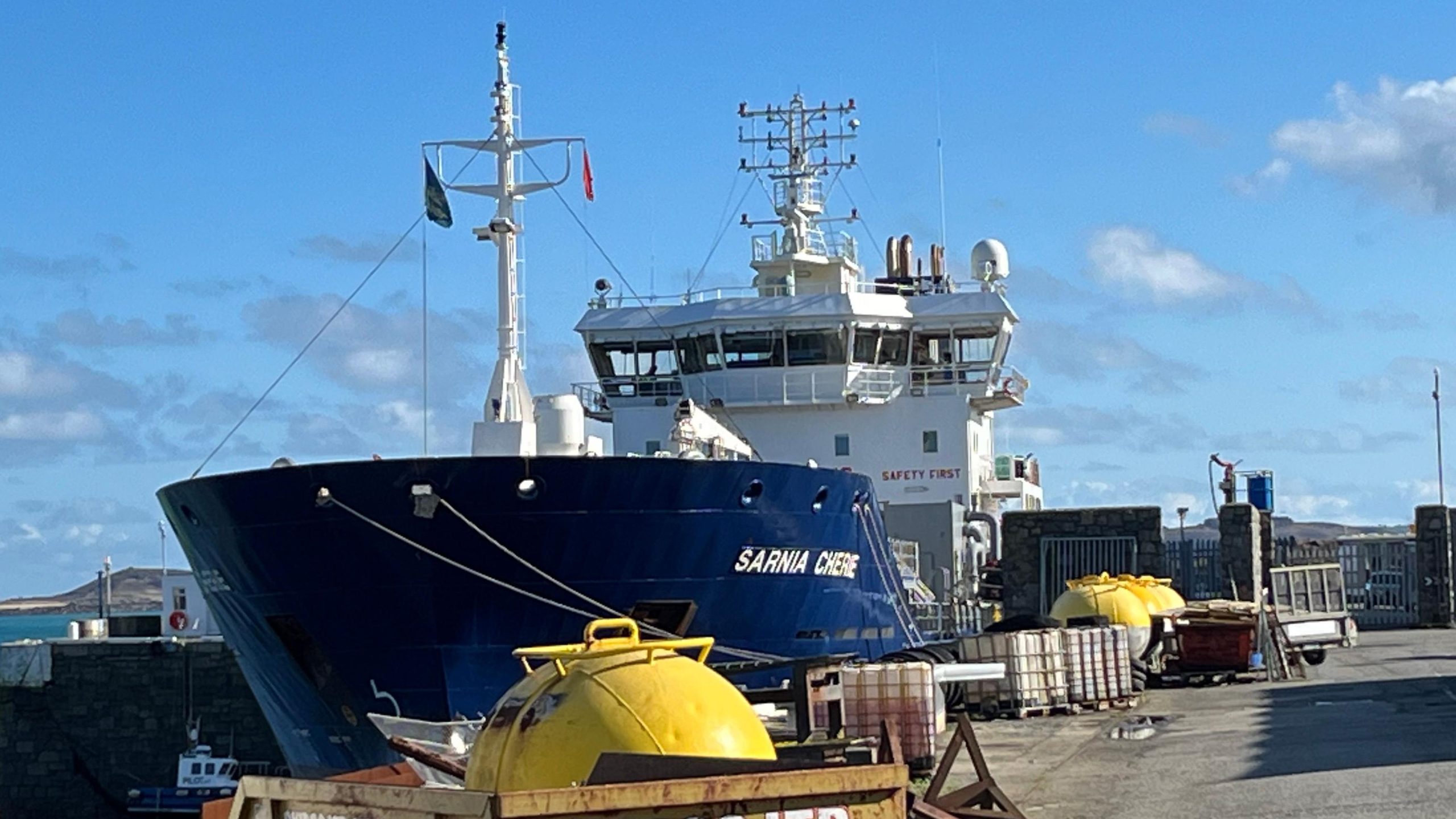
Strategic Fuel Fleet Sale Reshapes Indian Ocean Energy Dynamics
POLICY WIRE — Dubai, UAE — Few even **registered** when the behemoth Oceanic Transport Holdings (OTH) sotto voce offloaded its entire fleet of mid-range fuel tankers last month. But make no mistake,...

POLICY WIRE — Dubai, UAE — Few even **registered** when the behemoth Oceanic Transport Holdings (OTH) sotto voce offloaded its entire fleet of mid-range fuel tankers last month. But make no mistake, that deceptively humdrum corporate transaction has now become a strategic chess move, potentially **recalibrating** the energy security landscape for a swathe of nations reliant on these vital vessels. A true game-changer, this.
It wasn’t just any sale; these weren’t obsolete relics. This was a critical operational fleet, specifically designed for the often-challenging routes connecting major oil hubs to demand centers across the Indian Ocean. Its disposal **heralds** a momentous repositioning in the global maritime energy sector.
Behind the headlines of corporate restructuring, a formidable new player **materialized**: the Sultanate Maritime Group (a consortium, by the way, widely understood to have deep ties to the UAE’s sovereign wealth funds). Their snatching up of OTH’s 27 tankers marks an aggressive expansion into a sector previously dominated by more diversified, multinational shipping lines. An interesting development, wouldn’t you say?
For nations dotting the Indian Ocean rim — especially those with nascent economies, their futures tethered to consistent fuel deliveries — this shift isn’t merely academic. It’s a matter of national energy security, affecting everything from daily commutes to industrial output. Massive implications.
“This isn’t just about shifting ownership; it’s about shifting influence. We’re monitoring the implications for our own energy security very closely. Stability in these shipping lanes is paramount,” **underscored** Dr. Arif Khan, Secretary for Energy, Government of Pakistan, emphasizing the broader regional implications.
Pakistan, like many other South Asian and East African nations, **leans hard on** these maritime lifelines for its crude oil and refined petroleum products. Any change in the ownership structure of a significant portion of this shipping capacity introduces variables they simply can’t ignore. No, they really can’t.
Related: Riyadh’s High-Stakes Summit: Petro-Alliance Seeks Global Rebalance Against Western Bloc
And yet, the official line from Sultanate Maritime Group remains steadfastly commercial. A spokesperson insisted the acquisition was a logical business decision, driven by market opportunities and a long-term vision for maritime logistics. But political observers? They’re not buying the purely economic argument. Not even a little bit.
When a critical piece of global infrastructure changes hands, especially to a state-linked entity, it inevitably **militarizes** the supply chain. Doesn’t it? We’re entering an era where energy transit points are just as strategic as the energy sources themselves—it’s a high-stakes poker game, and these tankers are the chips.
The math is stark: **as per** a recent report by Lloyd’s List Intelligence, over 60% of all global maritime crude oil shipments traversed the Indian Ocean in 2023. That’s a significant chunk of the world’s energy moving through waters where the ownership of vital transport assets is now consolidating under a single, regionally dominant flag. What’s the endgame here, really?
Such a development could provide **potent bargaining chips**. It could mean preferential pricing or assured supply for allies, or conversely, potential delays and higher costs for those deemed less aligned. A tangible power shift, full stop.
This isn’t the first time maritime control has become a geopolitical pawn. History is replete with examples of nations leveraging shipping lanes — and fleets for strategic advantage. So, why would this time be any different?
What This Means
The sale of OTH’s tanker fleet **foreshadows** a quiet but profound realignment in the global energy supply chain. Economically, we could see **upended** shipping costs and insurance premiums, especially if the new owners decide to prioritize certain routes or clients. For smaller island nations, heavily dependent on consistent fuel delivery, it could mean new vulnerabilities or, perhaps, new opportunities if they can forge closer ties with the new operator. An interesting tightrope walk, to be sure.
Politically, the Sultanate Maritime Group’s emergence as a major player **buttresses** the influence of Gulf states in vital energy corridors. This isn’t just about regional trade; it’s about projecting power and ensuring resource security for a bloc of nations, potentially creating a counterweight to traditional Western dominance in global shipping—a subtle flexing of muscle, if you ask me. Diplomatically, nations will likely **re-appraise** their energy partnerships — and maritime security strategies. We might even witness a scramble for new long-term fuel supply agreements that consider the new shipping landscape. Expect some frantic phone calls.
“When a critical piece of global infrastructure changes hands, especially to a state-linked entity, it inherently politicizes the supply chain. We’re entering an era where energy transit points are just as strategic as the energy sources themselves,” observed Dr. Lena Petrova, Senior Fellow at the Global Maritime Institute, offering a sharp take on the evolving situation.
So, while the initial transaction was about tankers changing hands, its ripple effects could redefine energy access and geopolitical alliances for years to come. Policymakers, especially in energy-hungry nations, would be remiss not to **take to heart** the subtle, yet powerful, tremors from this seemingly unassuming sale. The future of fuel security across the Indian Ocean may well depend on it.