


Spurs’ Latest Play: The Escalating Stakes of Women’s Football Talent Wars
POLICY WIRE — London, UK — Once upon a time, the signing of a footballer, even a prominent one, largely stayed within the sports pages. Now, these transactions, particularly in the surging world of...

POLICY WIRE — London, UK — Once upon a time, the signing of a footballer, even a prominent one, largely stayed within the sports pages. Now, these transactions, particularly in the surging world of women’s football, they’re starting to carry echoes of much larger economic and political currents. London, always a crucible for global capital — and aspiration, has just reaffirmed its magnetic pull.
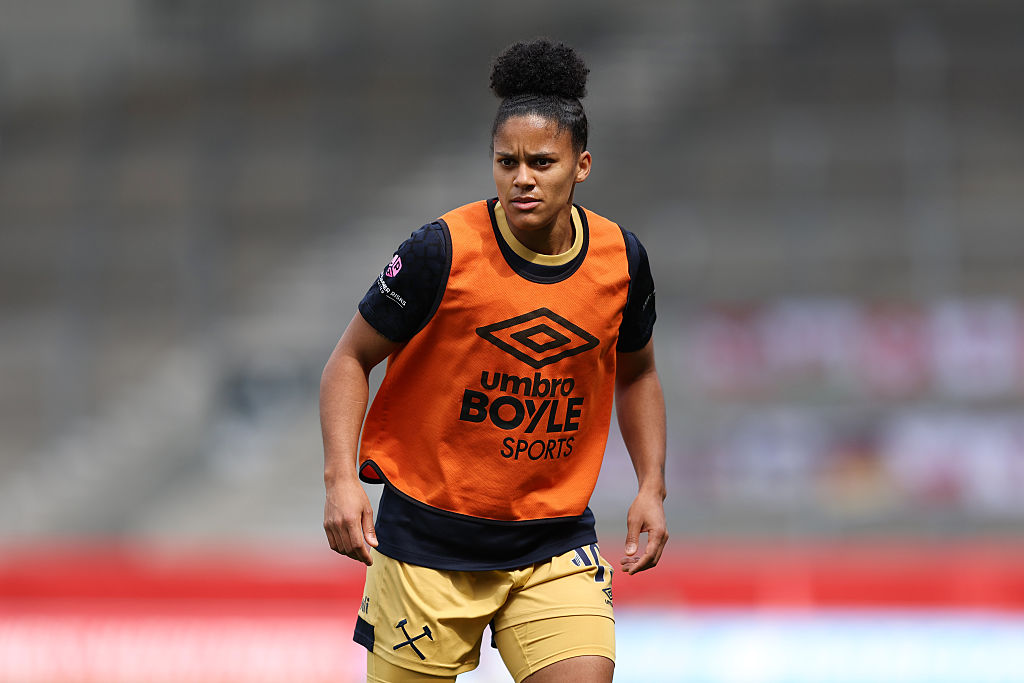
Tottenham Hotspur, a club more familiar with headline-grabbing financial maneuvers off the pitch than sustained dominance on it (at least traditionally), has announced it’s securing German forward Martinez from West Ham. This isn’t just a switch between two London rivals; it’s a telling snapshot of a rapidly professionalizing, increasingly high-stakes league, and indeed, a global sport finding its formidable commercial footing. She’s due to arrive when the summer transfer window creaks open, marking a significant—and costly—bet for Spurs.
Martinez, a 24-year-old German international, isn’t exactly new to the English fray. She only joined West Ham last year after a storied eight-year run with Eintracht Frankfurt. There was a brief interlude, a loan to Freiburg, before she returned to the Women’s Super League in January 2025. What followed was, well, immediate impact: scoring on debut — and bagging ten goals in just a dozen league appearances. That made her the WSL’s second-highest scorer, a testament to her predatory instinct. And, get this, she’s already racked up over 100 caps for Germany, having debuted in a UEFA Women’s Nations League final back in November 2025.
But her arrival carries an expectation as hefty as any transfer fee. She’s expected to step into the rather large boots left by Bethany England, Spurs’ top scorer for the past three seasons, who’s since departed. That’s a burden, don’t you think?
The player herself, though, sounds typically upbeat. “I’m delighted to be a Spurs player. This is the perfect next step for my career and also for me to improve as a player,” Martinez told reporters, adding that the club’s ‘good idea’ of how they want to play resonated deeply. Martin Ho, the head coach, wasn’t holding back on the plaudits either. “Shekiera is a player we have admired for some time,” Ho stated, visibly pleased. “That shows not only the quality she already has, but also the belief across the game in what she can become. She is a forward with real presence, intelligent movement and a strong instinct in the box.” He practically waxed poetic, didn’t he?
This isn’t merely about one player, one club. It’s indicative of a broader trend where top-tier European women’s football is consolidating talent, money, and media attention. While German business might see only a glimmer, the German talent pool remains rich, and increasingly, exported. But why does a footballer’s journey from Frankfurt to West Ham to Tottenham concern the pages of Policy Wire?
Because the economics are changing everything. According to FIFA’s 2022 women’s football report, player transfers in the women’s game increased by 28% from the previous year, demonstrating this accelerated growth isn’t a fluke; it’s a fundamental shift. And these transfers, once afterthoughts, are becoming statements.
The pursuit of global talent like Martinez speaks volumes about where European clubs, backed by often opaque investment structures, see their future. Consider the growing financial might pouring into global sports from places like the Middle East. You see sovereign wealth funds bankrolling grand, often futuristic projects at home. But they’re also keenly watching, — and often investing in, established markets like the WSL. They see not just sporting potential, but branding opportunity, soft power, and a ready-made platform to connect with massive global audiences—including burgeoning fanbases in South Asia and the Muslim world, where football, women’s or men’s, continues to capture imaginations. Many emerging leagues in these regions are trying to mimic these Western structures, however slowly, to foster their own stars. This transfer, though European, reinforces the blueprint for success: investment, development, and aggressive talent acquisition. It’s all part of the same interconnected chessboard.
What This Means
This transfer isn’t just about goal tallies. It’s a stark reminder that the financial tectonics of women’s sports are actively shifting. We’re witnessing the full professionalization, for better or worse, of what was, until very recently, largely an amateur or semi-professional pursuit. This move highlights several implications for policymakers, investors, — and even international relations observers. First, it accentuates the concentration of top talent in leagues with the deepest pockets—meaning the WSL and similar European powerhouses. That could lead to a talent drain from smaller, developing leagues, challenging the notion of broad-based, equitable growth across national federations. Policymakers should be considering safeguards or investment models to ensure the sustainability of foundational leagues, not just the marquee ones. Because otherwise, you’re just creating a gilded cage at the top, leaving the rest to wither.
Second, the escalating transfer fees and salaries – though still a fraction of the men’s game – will inevitably draw more corporate sponsorship and private equity. That brings opportunities for growth, yes, but also questions about ownership, influence, and the ethical implications of commercialization. Who profits? How much power do agents truly wield now? And are player welfare initiatives keeping pace with this frantic pace of commercial expansion? It’s a Wild West scenario in some ways. Finally, these transfers act as cultural conduits. A German star in London helps globalize fan engagement, bringing in audiences from unexpected corners of the world, fostering soft power, and demonstrating athletic excellence regardless of gender. It’s all intertwined, you see, a game far bigger than 90 minutes on a pitch.