
South Africa’s Top Cop Suspended Amid R370 Million Corruption Scandal
POLICY WIRE — Pretoria, South Africa — The echoes of South Africa’s struggle against systemic corruption reverberated anew this week, not from the usual chambers of parliamentary debate, but from the...

POLICY WIRE — Pretoria, South Africa — The echoes of South Africa’s struggle against systemic corruption reverberated anew this week, not from the usual chambers of parliamentary debate, but from the office of its very top law enforcement official. Few could have predicted that the country’s National Police Commissioner, the figurehead of its fight against crime, would himself be abruptly sidelined over allegations that strike at the heart of public trust.
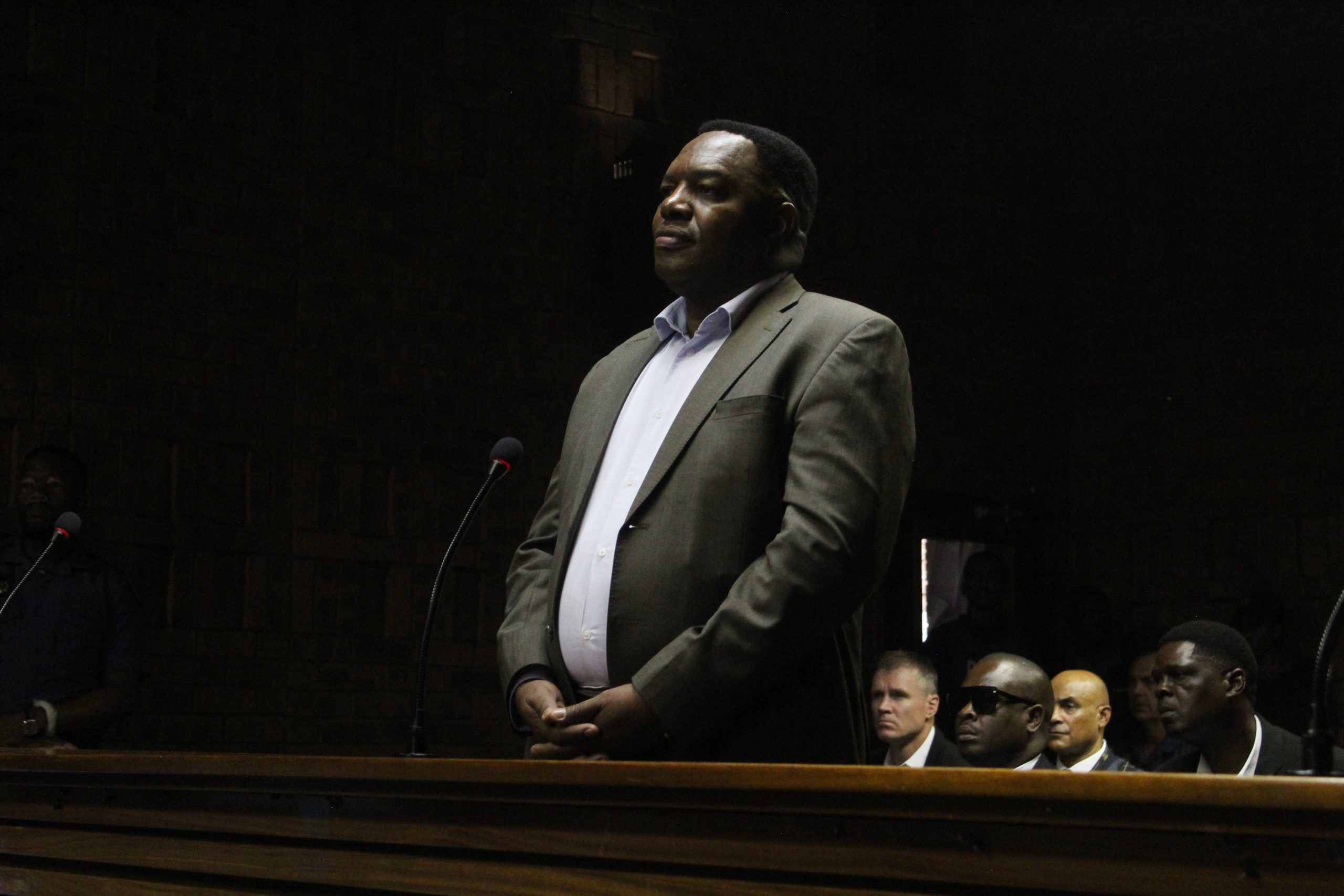
President Cyril Ramaphosa moved decisively to suspend General Siyabonga Ndlovu, pending an investigation into claims of gross misconduct and financial impropriety. That’s a significant shift, especially for a nation grappling with persistent issues of malfeasance within its public institutions.
For months, whispers had swirled around a controversial R370 million health contract awarded during the COVID-19 pandemic. Critics argued the deal was riddled with irregularities, benefiting politically connected individuals rather than genuinely bolstering the nation’s healthcare response. Now, those whispers have coalesced into a full-blown crisis for the South African Police Service (SAPS).
But this isn’t an isolated incident; it’s a recurring theme. The nation consistently hovers around the lower end of the global integrity scale. In 2023, Transparency International’s Corruption Perception Index ranked South Africa 72nd out of 180 countries, a slight improvement from previous years but still indicating significant challenges in combating public sector corruption.
Speaking from the Union Buildings, President Ramaphosa didn’t mince words. “We’ve made an unwavering commitment to rooting out corruption at all levels of government and within our state institutions,” he stated, his voice firm. “This suspension, while regrettable for the individual involved, underscores that commitment. Make no mistake, no one, regardless of their position, is above the law or beyond accountability in the new South Africa we’re building.”
“We’ve made an unwavering commitment to rooting out corruption at all levels of government and within our state institutions. This suspension, while regrettable, underscores that commitment. Make no mistake, no one, regardless of their position, is above the law or beyond accountability in the new South Africa we’re building.”
— President Cyril Ramaphosa
The opposition, however, wasn’t quite as sanguine. John Steenhuisen, leader of the Democratic Alliance, seized on the news as further evidence of what he called “a systemic rot.”
“The rot continues to spread, casting a long shadow over our nation’s efforts to build a truly just society,” Steenhuisen remarked to reporters. “This isn’t just about one individual; it’s a systemic crisis that demands urgent, comprehensive reform, not just symbolic gestures before a crucial election.”
His sentiment resonates widely. When the very guardians of law and order stand accused of breaking it, what message does that send to the citizenry, or indeed, to international observers?
Behind the headlines, this saga plays out against a backdrop common to many developing nations, including those across the Muslim world and South Asia, where the integrity of state institutions often dictates the pace of economic development and social stability. Countries like Pakistan or Indonesia, for example, have their own complex histories with corruption within law enforcement and government, understanding all too well the erosion of public faith when high officials are implicated.
And yet, for a nation still grappling with the legacies of apartheid, the struggle to build truly impartial and accountable institutions feels particularly poignant. The SAPS, once a symbol of state oppression, was meant to be a pillar of democratic governance. Instead, it’s frequently mired in controversies that undermine its credibility.
What This Means
The suspension of the National Police Commissioner isn’t merely a personnel matter; it’s a profound political and institutional challenge. Politically, it signals President Ramaphosa’s continued, albeit slow, commitment to his anti-corruption agenda, especially heading into a critical election cycle. Failure to act swiftly could have crippled his administration’s credibility even further.
Economically, persistent corruption within key state organs deters foreign investment and erodes business confidence. Investors look for stability and predictable governance; a police force embroiled in scandal offers neither. Diplomatically, it complicates South Africa’s standing as a regional leader and a voice for good governance on the African continent.
At its core, this incident chips away at the rule of law. If the head of the police can be implicated in such dealings, what does that imply for efforts to prosecute lesser offenders or maintain public order? The math is stark: less trust in law enforcement translates to less cooperation from citizens, creating a vicious cycle that ultimately weakens the state’s capacity to protect its people.
Ultimately, this isn’t just about General Ndlovu. It’s about a nation’s ongoing battle for its soul, a fight to purify institutions that, time and again, seem to succumb to the very pathologies they’re meant to eradicate. As Professor Adam Habib, Director of SOAS University of London and a keen observer of South African politics, often emphasizes, “South Africa’s democratic consolidation hinges on its ability to hold power accountable, irrespective of who wields it. This case is a painful, yet necessary, test of that principle.”
The question isn’t whether the investigation will proceed, but whether it will fundamentally alter the trajectory of corruption within the SAPS, or simply be another chapter in a never-ending saga.