


Smartphones Expose Force in Albuquerque as Civilian Video Scrutinized
POLICY WIRE — Albuquerque, United States — Forget the official press release, the carefully staged briefing. The true narrative, the one shaping public perception of Albuquerque’s latest fatal police...

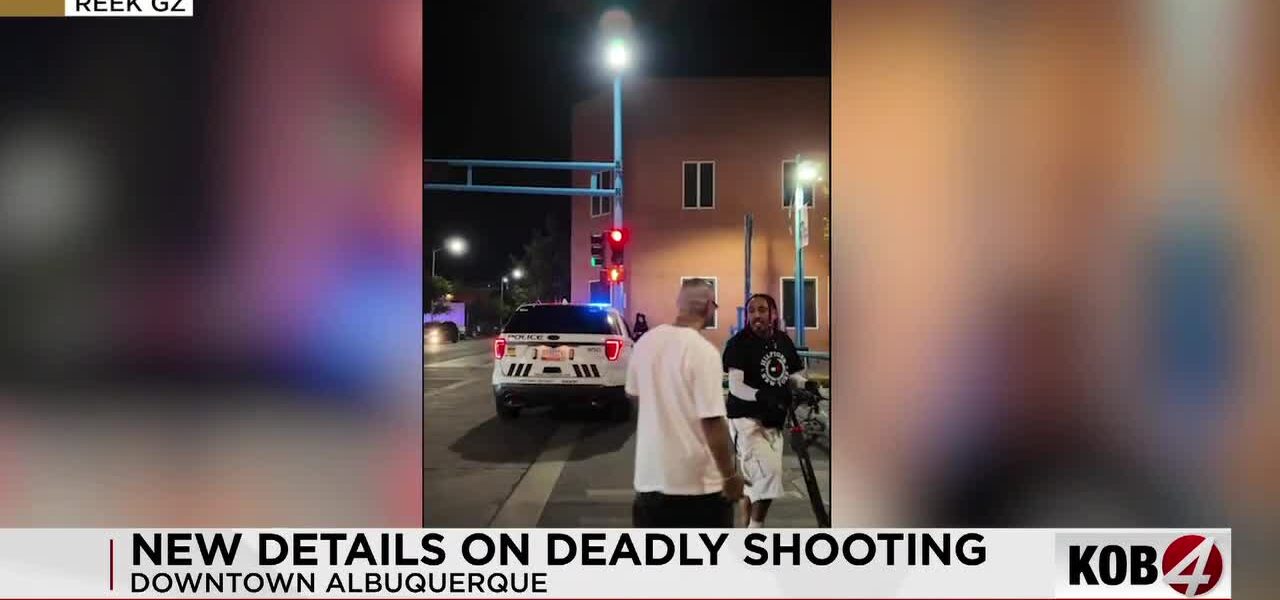
POLICY WIRE — Albuquerque, United States — Forget the official press release, the carefully staged briefing. The true narrative, the one shaping public perception of Albuquerque’s latest fatal police shooting, might just reside in the pockets of passersby. Yes, citizen cell phone videos—those grainy, often chaotic snippets—are now proving far more instrumental in piecing together the events near Third and Central than initially acknowledged. It’s a stark new reality, this constant, unflinching digital gaze, and it’s holding law enforcement’s feet to the fire in ways unseen a generation ago.
Law enforcement officials are poring over the user-generated footage posted online, merging it with body camera records, physical evidence, and eyewitness accounts. But don’t misunderstand: it isn’t just about corroboration anymore. Civil rights attorney Laura Schauer Ives recently chimed in on what this all means, chatting with local KOB 4. Her assessment cuts right to the chase, ignoring the typical police department PR bluster. “I mean, transparency and openness and knowing what happened is in everybody’s interest,” Ives stated, laying bare a self-evident truth too often obscured by officialdom. “It benefits the officers too. If the officers are not following policy, that is not in their best interest.” A blunt reminder, isn’t it, that institutional opacity ultimately serves no one, not even those it purports to protect.
Because cell phone videos—you see them everywhere, from global protests to local skirmishes—often paint a picture official channels can’t or won’t. They capture the raw, unedited mess of a street-level incident. And that, frankly, is invaluable. Ives points out these citizen recordings could help investigators [QUOTE_PLACEHOLDER] Not just that, these videos offer the general public a clearer view of the incident, pushing thorny questions to the fore. Questions about training. Questions about policy adherence. It forces a public reckoning, a critical examination often sidestepped without such readily available, unvarnished visual proof.
The incident under scrutiny this past weekend is a classic, distressing scenario: shots fired, a life ended, and then the inevitable aftermath of investigation and blame. It’s a familiar echo across the globe. You can draw parallels to citizen journalism efforts in places like Karachi, where cellphone footage from street encounters or political rallies often serves as the only unbiased record of events, holding local authorities accountable amidst broader geopolitical instabilities and often dubious legal frameworks. It’s the same technological democratization of evidence. But back in Albuquerque, Ives didn’t mince words about the dangers involved for bystanders. “There were a lot of people on that scene, and they need to take care to not hit innocent bystanders, and they need to be sure that the person that they’re shooting is actually a deadly threat,” she explained, her words a chilling reminder of the chaotic human cost. she offered a direct assessment of the deceased’s actions: “In this instance it appears that he was defending himself from another aggressor.” This statement—a direct challenge to any presumed police justification—throws a particularly potent wrench into the official narrative.
And so, the scrutiny piles on APD, which has, for a painfully long stretch, grappled with its use-of-force policies. Their own policy dictates that deadly force is only justified when an officer has a reasonable belief of an immediate threat of death or serious injury. But practice, it seems, tells a different story. In fact, a 2022 Bureau of Justice Statistics report, analyzing federal data, found that New Mexico consistently ranks among the top five states nationwide for fatal officer-involved shootings per capita—a damning indictment, to be sure. Ives herself notes, with palpable exasperation, [QUOTE_PLACEHOLDER] It’s not a mere coincidence, then, but a systemic pattern. This ain’t a good look, — and it demands more than just lip service to reform.
📄 POLICY WIRE WHITEPAPER PUBLISHED: PAKISTAN'S NATIONAL SECURITY POLICY PRIORITIES
👉 READ BY CLICKING HEREWhat comes next? APD, ever so slowly, expects to trickle out more details in the coming weeks. We’re talking about revelations concerning officer tactics, specific training protocols, and, naturally, their inevitable ‘policy review’—which, history shows, often translates to little substantive change. Still, the digital tide has turned. Citizen recordings, once a novelty, are now an undeniable, persistent force in the quest for accountability. The cops are always on camera, whether they like it or not. And this is reshaping justice, slowly but surely.
What This Means
This incident isn’t just another localized controversy for Albuquerque; it’s a microcosm of a larger, systemic tension playing out across modern policing—a global phenomenon. The proliferation of accessible recording devices fundamentally shifts power dynamics between state actors and civilians. Previously, police reports — and internal investigations often formed the sole public record. Now, instant dissemination via social media means real-time counter-narratives can emerge, challenging official accounts and demanding higher standards of transparency. Economically, repeated incidents and sustained scrutiny can lead to substantial financial burdens on cities—from increased legal settlements and court costs to diminished public trust which impacts community policing initiatives and even urban investment. Politically, the pressure mounts on city councils and state legislatures to enact meaningful reform, often clashing with police unions and traditional law-and-order factions. this tech-driven accountability resonates far beyond U.S. borders. Consider Pakistan, a nation where similar citizen videos frequently emerge to expose everything from petty corruption to serious abuses of power by authorities—sometimes leading to swift public outcry, sometimes not. But in every instance, the digital record plants a seed of dissent, fostering an expectation of justice, however elusive, for the average citizen. It’s changing how we all expect justice to look, how it gets served—and, more importantly, how it’s observed and judged. For policy wonks, it raises prickly questions about data provenance — and digital chain of custody. It’s a complicated, messy dance.