

Silent Toll: New Mexico’s Families Face Bureaucratic Labyrinth Amidst Unaccounted Losses
POLICY WIRE — ALBUQUERQUE, N.M. — The receipts pile up. The unanswered calls echo. A family’s world, already shattered by the incomprehensible absence of a loved one—vanished into thin air or taken...

POLICY WIRE — ALBUQUERQUE, N.M. — The receipts pile up. The unanswered calls echo. A family’s world, already shattered by the incomprehensible absence of a loved one—vanished into thin air or taken by a sudden, brutal turn—then meets the stone-cold face of bureaucracy. This isn’t just about grief; it’s about the relentless paperwork, the sudden financial burdens, and the bewildering quest for information that often accompanies tragedy in America’s quieter corners.
It’s an oversight many don’t reckon with until they’re neck-deep in it. For most New Mexicans facing such a nightmare, the expectation is simple: a clear path to closure, or at least administrative clarity. But that’s rarely what they get. Instead, there’s a bewildering administrative maze, a kind of civic ghost dance, leaving families stranded, oftentimes broke, and certainly heartbroken.
Because, really, who drafts a contingency plan for a missing sibling’s utility bills? Or navigates the endless legal requirements for a parent whose unexpected death left no will, just questions? It’s not in the pamphlets. It’s the silent burden that often goes unspoken, eclipsed by the sheer weight of sorrow.
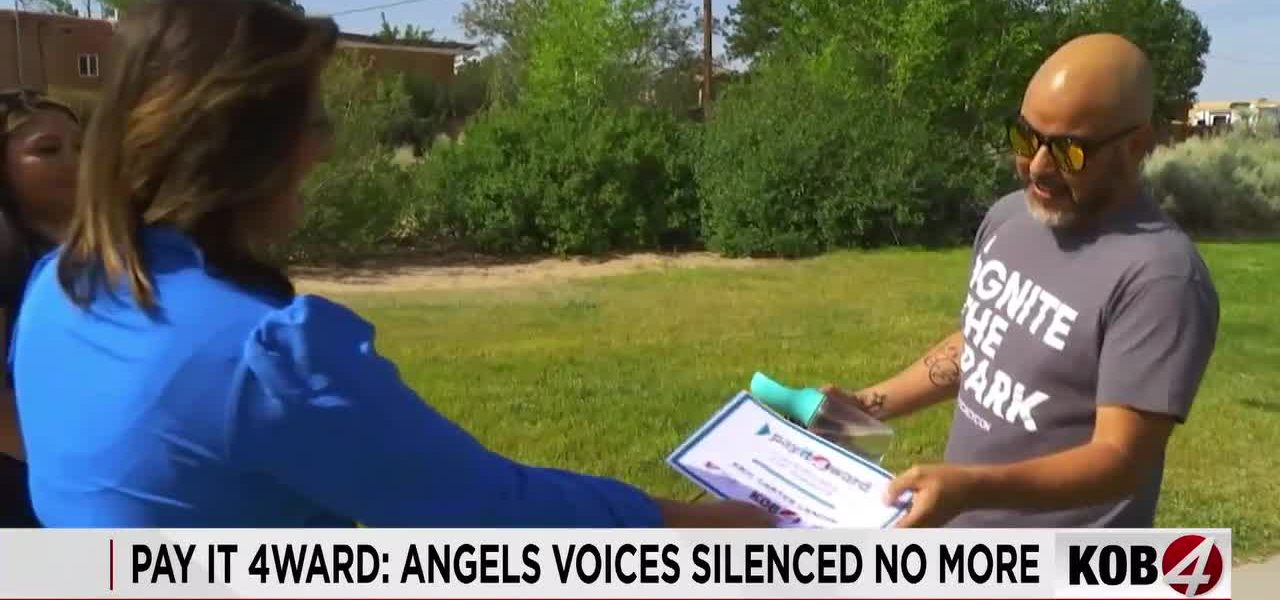
But a local collective, known as ‘Pay it 4ward,’ has quietly stepped into this void, offering a crucial lifeline. They aren’t grief counselors; they’re the navigators—the ones helping families untangle the administrative chaos when traditional public services often falter. “We’re talking about everything from probate costs to unexpected funeral arrangements, and sometimes, simply finding resources to distribute missing person flyers. It’s astonishing how little support infrastructure exists for these immediate, crushing logistical needs,” explained Elena Rodriguez, operations director for Pay it 4ward. She adds, with a touch of weariness, that government agencies, bless their hearts, just aren’t built for that kind of agile, personal intervention.
And local officials recognize the problem, even if solutions are scarce. “Our municipal services, they’re geared for structure, for predictable problems,” acknowledged Councilwoman Maria Sandoval, her voice tinged with regret during a recent public meeting. “When lives implode, and the mess left behind is financial and legal as much as emotional, our systems—our city and state apparatus—aren’t equipped to be the immediate helping hand. We rely on the good people, on organizations like Pay it 4ward, to bridge that gap. It’s a systemic limitation, — and frankly, it’s something we don’t discuss nearly enough.” She’s got a point. It’s the invisible tax on trauma, paid disproportionately by those already reeling.
Across the United States, roughly 600,000 individuals are reported missing every year, according to data compiled by the National Missing and Unidentified Persons System (NamUs), a federally funded program. These numbers, startling as they’re, don’t begin to quantify the associated administrative quagmire their families inherit. It’s a national quiet crisis, but in communities like Albuquerque, where socioeconomic stressors run deep, these situations hit harder.
📄 POLICY WIRE WHITEPAPER PUBLISHED: PAKISTAN'S NATIONAL SECURITY POLICY PRIORITIES
👉 READ BY CLICKING HEREThink about it. In regions like Pakistan’s bustling urban centers or its sprawling rural communities, familial and tribal networks often step in immediately following a tragedy. While those systems bring their own complexities, the communal response frequently means financial and logistical support mobilizes with breathtaking speed. It’s less about formalized paperwork and more about immediate, reciprocal support—a sort of social diplomacy at its most grassroots, a safety net woven through centuries of tradition. Here, in America, when those tight-knit bonds aren’t as prevalent, or are fractured by modern mobility, independent organizations suddenly bear an immense, quiet weight. It’s a stark comparison in the architecture of communal care.
What This Means
This isn’t merely a heartwarming local charity story; it’s an economic — and political bellwether. The emergence and growing necessity of organizations like Pay it 4ward speak to significant cracks in the social safety net that governments—local, state, and federal—have either failed to build or maintain. It signals a tacit admission that while official bodies handle crime scenes and investigations, the often-overlooked aftershocks of personal loss, especially concerning missing persons, are left to private citizens and underfunded non-profits. The economic impact on families forced to manage legal fees, unpaid bills, and prolonged searches without governmental assistance isn’t trivial. It contributes to financial instability, sometimes pushing already vulnerable families into poverty. This represents an indirect subsidy from civil society to the state, effectively performing services the state isn’t provisioned to deliver. As more communities grapple with this burden, we could see increasing pressure on public funds to support such specialized interventions, or at least create more streamlined administrative pathways for grief-stricken citizens. It’s an issue that, much like a report shaking Mideast alliances, quietly reshapes domestic policy debates.
The implications are clear: either public agencies must expand their operational scope and budgetary allocations to truly encompass the holistic aftermath of such tragedies, or we’ll see more community-led groups cropping up. And frankly, relying on the kindness of strangers isn’t a robust long-term policy for what’s becoming a systemic issue across disparate localities. These organizations aren’t just filling gaps; they’re shining a light on public service blind spots—places where official responses stop, and human need keeps right on going.